

 Persian (Afghanistan)
  English
  Arabic
  German
  French
  Spanish
  Turkish
  Italian
  Russian
  Persian
  Bengali
  Hebrew
  Scottish Gaelic
  Panjabi
  Croatian
  Slovenian
  Greek
Greek  Afrikaans
  Czech
Czech  Korean
  Japanese
  Portuguese





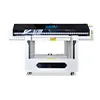
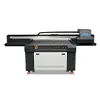
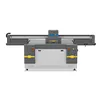
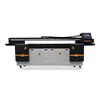
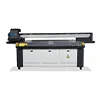
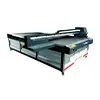
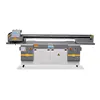
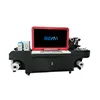


Is a UV Printing Business Profitable? Costs, Products and ROI Explained
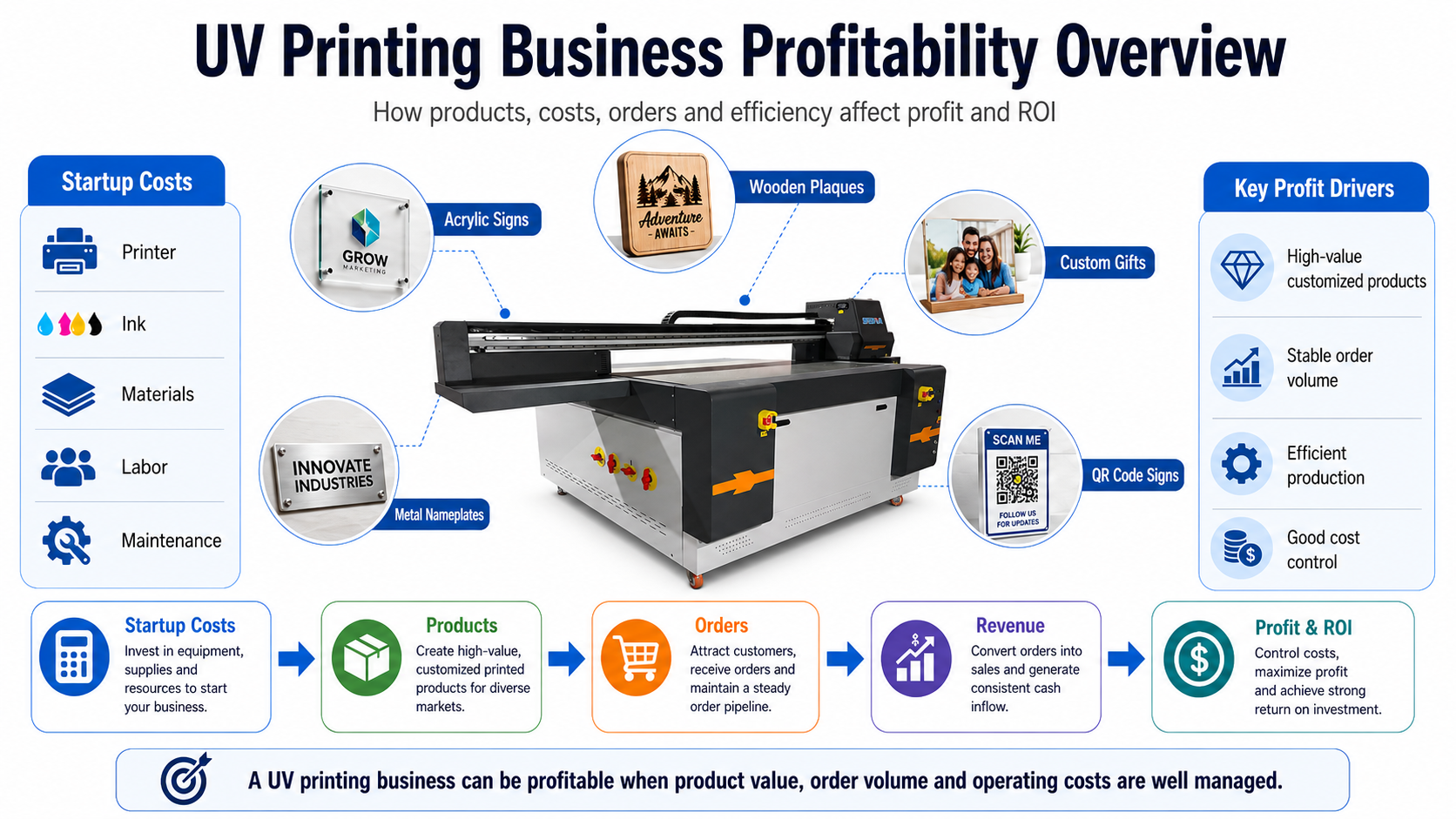
الف UV printing business can be profitable when it focuses on the right products, realistic pricing, stable production and consistent customer demand. However, buying a UV printer does not automatically create profit. The actual result depends on what you print, how much you charge, how many orders you receive and how efficiently you operate the machine.
This guide explains the main costs of starting a UV printing business, profitable product categories, single-item customization versus batch production, and a practical method for calculating ROI چاپگر UV. It also helps beginners decide which products to test first and which common mistakes may delay the payback period.
Is a UV Printing Business Profitable?
Yes, UV printing can be profitable, especially for companies that sell personalized, short-run or value-added products. Unlike traditional production methods that may require plates, screens or large minimum order quantities, UV printing allows a business to produce one customized item, a short test run or a larger batch using the same digital workflow.
The main advantage is not simply that a UV printer can print on many materials. Profit comes from turning an ordinary blank product into something more valuable. A plain acrylic sheet, wooden plaque or metal plate may have a relatively low material cost. After adding a customer’s name, photograph, logo, QR code or branded design, the finished product can be sold as a personalized gift, business sign or functional industrial component.
However, the answer to “is UV printing profitable?” is different for every business. A company with repeat business customers, clear product positioning and stable production can recover its investment faster than a beginner who purchases a printer before confirming what products customers are willing to buy.
Profit Depends on More Than Printing Speed
Buyers often compare machines mainly by print speed. Speed is important, but it is only one part of profitability. A fast printer operating for only a few hours each week may generate less income than a smaller printer producing standardized, high-value orders every day.
The most important factors usually include:
- Average selling price per order
- Material and ink cost per product
- Monthly order volume
- Average profit per order
- Machine utilization rate
- Design, setup and customer communication time
- Waste and reprinting rate
- Maintenance and machine downtime
- Marketing and customer acquisition costs
- Repeat-order potential
A profitable UV printing business therefore requires both production ability and a clear sales plan.
What Are the Main Costs of a UV Printing Business?
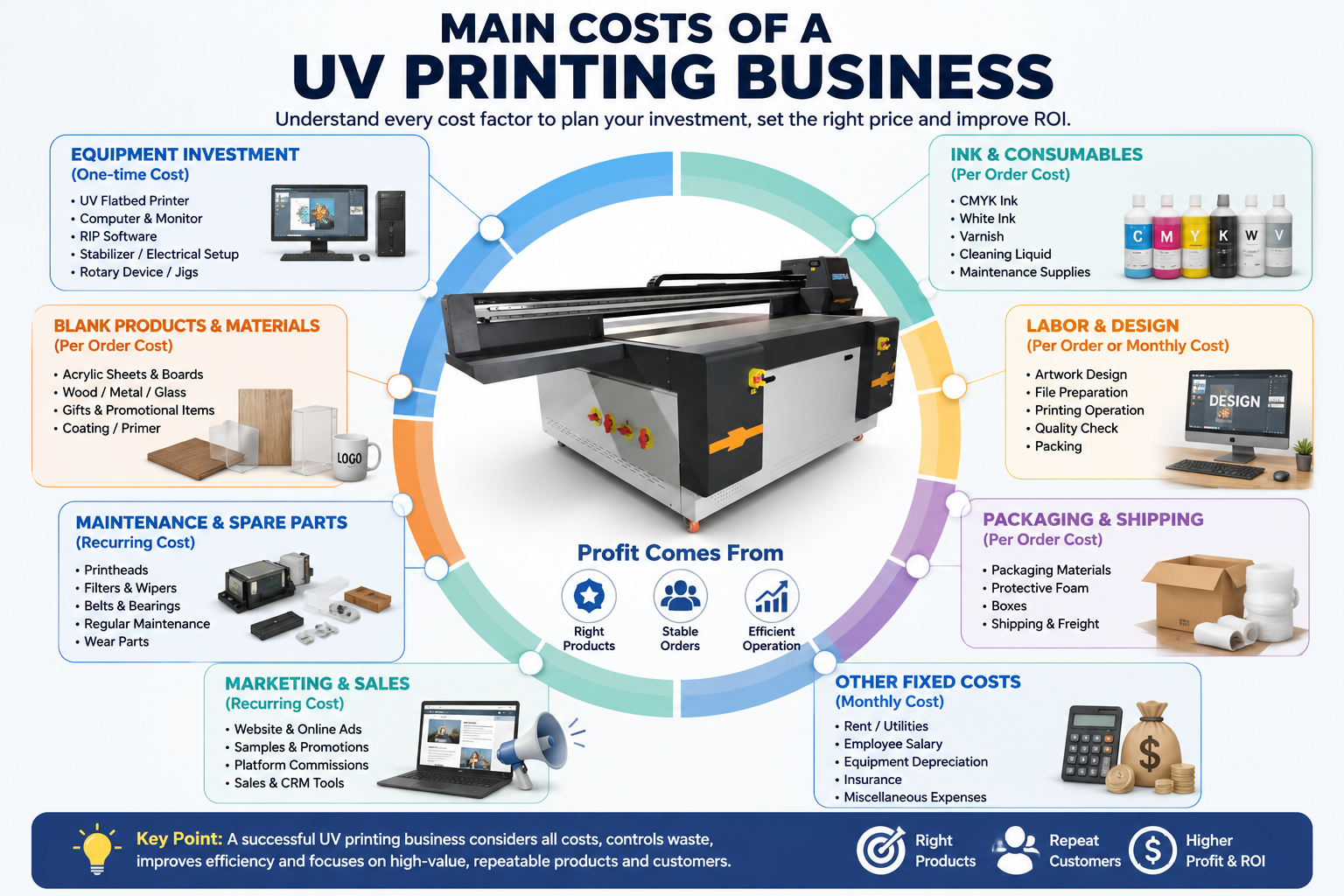
The total UV printing business cost is more than the price of the printer. A realistic business plan should include equipment, materials, labor, maintenance, marketing, packaging and working capital.
These expenses can be divided into startup costs, variable order costs and recurring operating costs.
1. Initial Startup Costs
Initial investment may include:
- UV flatbed printer or UV DTF printer
- Computer and monitor
- نرم افزار RIP
- Voltage stabilizer or suitable electrical installation
- Working table, shelves and material storage
- Initial CMYK, white ink and varnish
- Cleaning liquid and maintenance supplies
- Rotary device, jigs or positioning fixtures
- Initial blank products and printing materials
- Packaging tools and shipping supplies
- Ventilation or air-treatment equipment when required
- Training, installation and sample testing
Machine size and configuration should match the target products. A desktop printer may be enough for keychains, plaques, small acrylic signs and personalized gifts. A medium or industrial machine may be necessary for larger signs, furniture panels, glass, doors or high-volume production.
Purchasing a machine that is much larger than the actual product requirement may increase investment, floor-space requirements and maintenance costs. Purchasing a machine that is too small may limit future orders.
For a detailed comparison, read our
guide to choosing the right UV printer
.
2. Variable Costs Per Order
Variable costs change with the number and type of products produced. They may include:
- Blank product or raw material
- CMYK, white ink and varnish consumption
- Primer, coating or surface treatment
- Direct labor
- Design and file preparation
- Test printing
- Waste allowance
- بسته بندی
- Shipping
- Platform or marketplace commissions
- Payment processing fees
Ink is important, but it is rarely the only major cost. For many personalized products, the time spent confirming artwork, adjusting files, communicating with the customer and packing the finished item may cost more than the ink itself.
3. Fixed and Hidden Operating Costs
New business owners often calculate materials and ink but forget fixed and hidden costs.
- Workshop or office rent
- Electricity
- Employee wages
- Advertising and website expenses
- Machine depreciation
- Filters, wipers and other consumable parts
- Printhead maintenance or replacement reserve
- Software subscriptions
- Product photography
- Customer service time
- Refunds, reprints and damaged shipments
- Losses caused by machine downtime
| Cost Type | Examples | فرکانس | چرا اهمیت دارد |
|---|---|---|---|
| تجهیزات | Printer, computer, software and accessories | Mainly one-time | Determines product size, quality and capacity |
| مواد | Blank products, boards, ink and coating | Per order | Directly affects unit cost |
| کار | Design, printing, quality control and packing | Per order or monthly | Often underestimated in customized work |
| تعمیر و نگهداری | Cleaning, filters, wipers and spare parts | Recurring | Protects print quality and production uptime |
| بازاریابی | Website, samples, advertisements and commissions | Recurring | Determines how many customers find the business |
Which UV Printed Products Offer Higher Profit Potential?
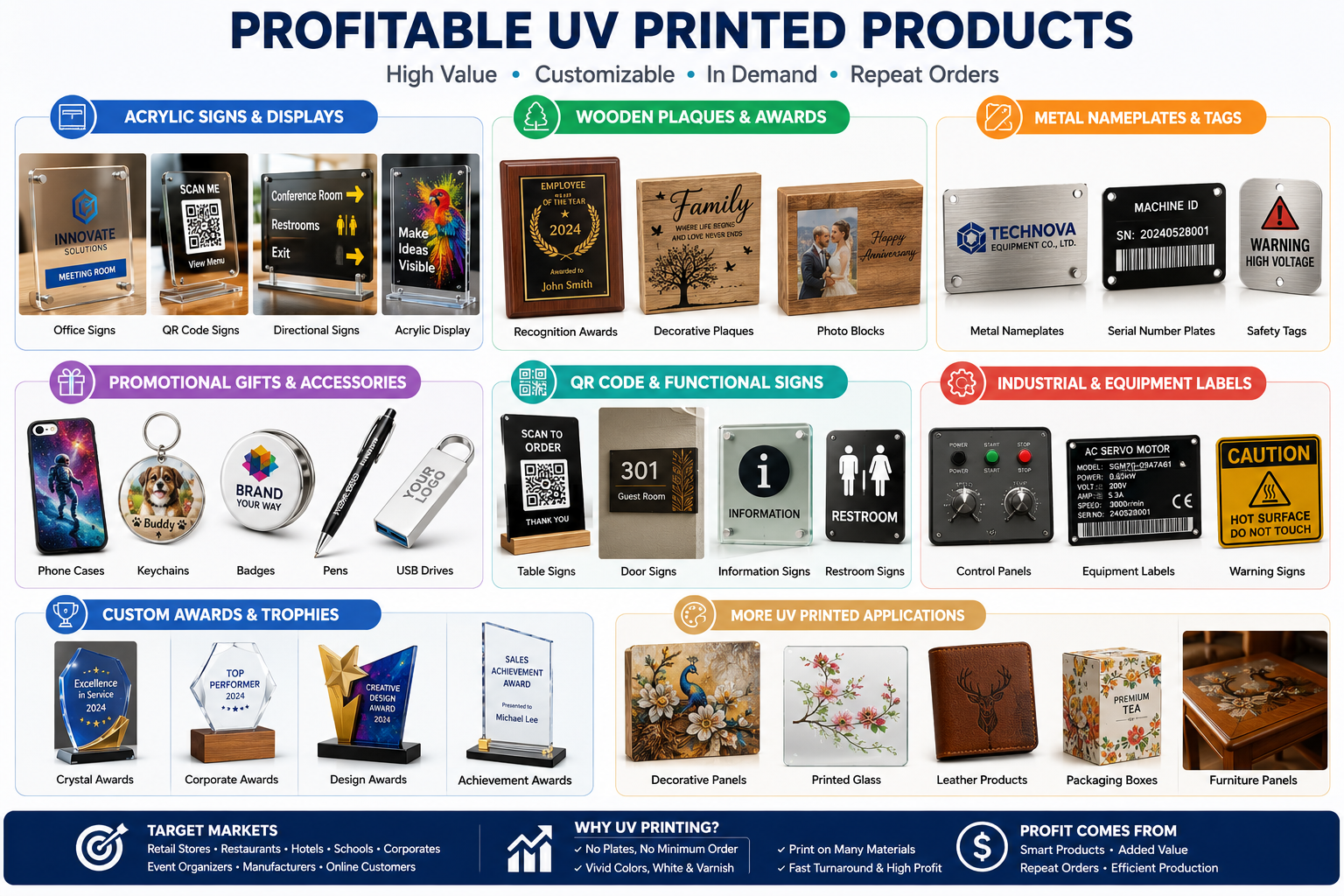
بسیاری UV printer business ideas are available, but not every printable product is a profitable product. A better question is: which products create enough added value to cover materials, labor, marketing and machine investment?
Products with stronger profit potential usually have several of these characteristics:
- The blank product cost is manageable
- Customization significantly increases perceived value
- The customer cannot easily compare it with a standard mass-produced product
- The product fits the printer without complex setup
- The production process can be standardized
- Packaging and shipping are simple
- The product has repeat-order potential
- Customers are willing to pay for fast delivery
- White ink, varnish or embossed effects can increase the selling price
هدایای شخصی
Common products include:
- Acrylic photo blocks
- Wooden plaques
- Keychains
- کیف های گوشی
- Jewelry boxes
- Custom awards
- Pet tags
- Wedding and anniversary gifts
Personalized gifts are suitable for online stores, local gift businesses, event suppliers and small studios. The customer is paying for the emotional or personal value of the finished item, not only for the blank material.
These products are visually attractive and easy to promote through product photos and short videos. They also allow a beginner to start with a limited number of blanks instead of holding large inventories.
Learn more about
UV printing for promotional gifts
.
Business Signs and Branded Products
Possible products include:
- Acrylic signs
- Door signs
- Desk signs
- Metal nameplates
- QR code signs
- Restaurant table signs
- Retail display panels
- Directional and safety signs
Business signs can provide larger order values and repeat demand. Restaurants may need new table signs, stores may update seasonal displays and companies may reorder nameplates when employees or equipment change.
A UV printing company can also charge separately for design, material cutting, installation, urgent production or special effects.
Related guide:
UV printing for signs and displays
.
محصولات تبلیغاتی
مثالها عبارتند از:
- Branded pens
- USB drives
- Badges
- Corporate gift boxes
- Event merchandise
- School souvenirs
- Small branded accessories
This category is suitable for advertising companies, corporate gift suppliers, event organizers and distributors. The selling price per item may be lower than a personalized gift, but batch orders can improve production efficiency and machine utilization.
Industrial and Functional Printing
مثالها عبارتند از:
- Equipment labels
- Control panels
- Warning signs
- Serial-number plates
- Barcode plates
- Product identification panels
- Machine operation labels
These customers may care less about decorative effects and more about small-text clarity, barcode readability, adhesion, consistency and repeat supply. Once the material and printing process are approved, industrial customers may place repeat orders using the same artwork and specifications.
Decorative and Specialty Products
UV printers can also produce wall panels, decorative glass, furniture components, leather products and specialty packaging. These applications may offer larger order values, but they usually require more material testing, larger equipment and stronger production management.
Explore additional application guides:
Single-Item Customization vs Batch Production
A UV printer can support both one-piece customization and batch production. Each model has different advantages, costs and customer requirements.
| عامل | Single-Item Customization | Batch Production |
|---|---|---|
| Selling price per unit | Usually higher | Usually lower |
| Typical order quantity | 1–10 pieces | Dozens or hundreds |
| Design time per unit | بالاتر | Shared across the batch |
| Customer communication | مکرر تر | More standardized |
| Production efficiency | پایین تر | بالاتر |
| Inventory risk | کم | Depends on the order model |
| Typical customer | Consumers and gift buyers | Companies, schools and distributors |
| Main advantage | Higher customization value | Stable volume and efficient production |
Single-item orders can generate a higher selling price per piece, but they may require more communication, artwork changes and order management. A product that takes five minutes to print may require twenty minutes of file preparation and customer approval.
Batch orders normally have a lower unit price, but the same artwork and setup can be used for many pieces. Jigs and templates can improve positioning speed and consistency.
For many small and medium UV printing businesses, a balanced model is more practical:
Combine high-margin personalized products with repeatable small-batch B2B orders.
Personalized orders can improve margin, while regular business orders improve machine utilization and monthly cash flow.
How to Calculate UV Printing Cost Per Product
Before setting a selling price, calculate the complete cost of producing one item. Do not price only according to ink consumption or competitor listings.
Total Unit Cost Formula
Total Unit Cost = Blank Product + Ink + Coating + Labor + Design + Packaging + Waste Allowance + Maintenance Allowance + Depreciation + Sales Fees
Gross Profit Per Product
Gross Profit = Selling Price − Total Unit Cost
Gross Margin
Gross Margin = Gross Profit ÷ Selling Price × 100%
Illustrative Product Cost Example
The following example is for explanation only. Actual costs and selling prices vary by product, country, supplier and sales channel.
| Cost Item | Example Amount |
|---|---|
| Acrylic blank | $8.00 |
| Ink and surface preparation | $3.50 |
| Design and direct labor | $8.00 |
| بسته بندی | $4.00 |
| Waste, maintenance and overhead allowance | $3.50 |
| Total estimated unit cost | $27.00 |
| Example selling price | $55.00 |
| Estimated gross profit | $28.00 |
This example shows why pricing should include labor and overhead. Calculating only the blank product and ink would create an unrealistic profit estimate.
How to Calculate UV Printer ROI
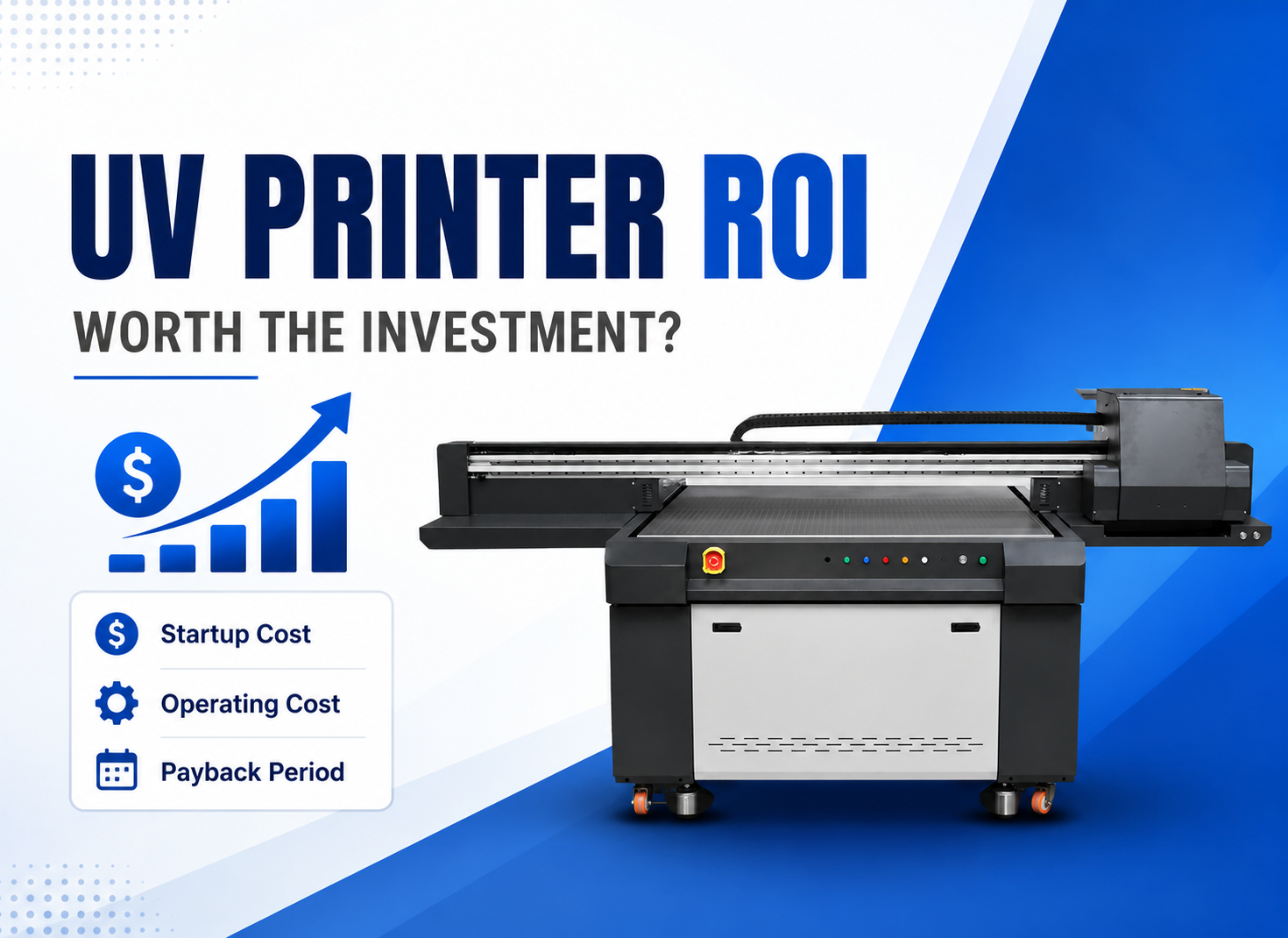
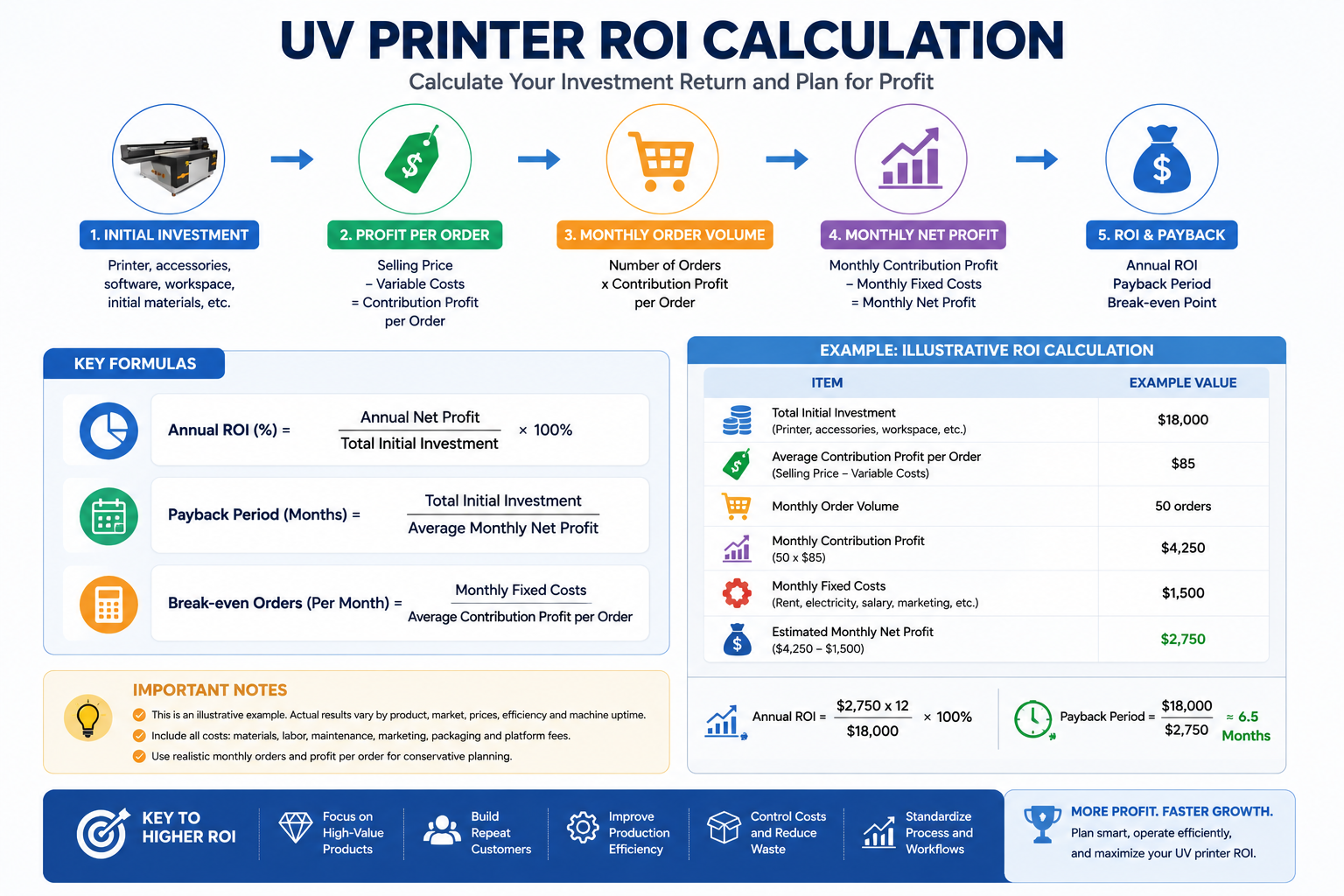
ROI چاپگر UV measures how much profit the business generates compared with the total investment. It can help a buyer compare different machine configurations and decide whether expected order volume is sufficient.
UV Printer ROI Formula
Annual ROI = Annual Net Profit ÷ Total Initial Investment × 100%
Estimated Payback Period
Payback Period = Total Initial Investment ÷ Average Monthly Net Profit
Monthly Break-Even Orders
Break-Even Orders = Monthly Fixed Costs ÷ Average Contribution Profit Per Order
Contribution profit means the amount remaining after variable order costs have been deducted. This amount is used to cover monthly fixed costs and then generate net profit.
Illustrative UV Printer ROI Example
Assume a business invests $18,000 in the printer, accessories, initial materials and workspace preparation.
| Total initial investment | $18,000 |
|---|---|
| Average contribution profit per order | $85 |
| Monthly order volume | 50 orders |
| Monthly contribution profit | $4,250 |
| Monthly fixed operating costs | $1,500 |
| Estimated monthly net profit | $2,750 |
| Estimated payback period | Approximately 6.5 months |
How Many Orders Are Needed to Recover the Investment?
There is no fixed number of orders that applies to every UV printing business. The answer depends on the average profit per order and monthly operating costs.
Selling 100 low-margin products may generate less profit than selling 20 customized products with higher added value. Order quantity should therefore be evaluated together with average order value and contribution profit.
Three Illustrative Operating Scenarios
| Scenario | Monthly Orders | Profit per Order | Fixed Costs | Estimated Monthly Net Profit | Estimated Payback on $18,000 |
|---|---|---|---|---|---|
| Conservative | 25 | $70 | $1,500 | $250 | About 72 months |
| استاندارد | 50 | $85 | $1,500 | $2,750 | About 6.5 months |
| Higher Utilization | 90 | $90 | $1,800 | $6,300 | About 2.9 months |
These scenarios show why order volume alone is not enough. A business needs enough contribution profit to cover fixed expenses before it begins recovering the original investment.
A conservative forecast is usually more useful than assuming full production from the first month. New businesses need time to test products, create samples, develop sales channels and collect repeat orders.
What Products Should Beginners Start With?
A beginner should not start with every material that a UV printer can handle. It is usually better to select two or three products, create stable print settings and confirm customer demand before expanding.
Five Criteria for Choosing a Beginner Product
- The surface is flat and relatively consistent.
- The product does not require a complicated positioning fixture.
- The size matches the printer bed.
- The product is easy to package and ship.
- The finished sample is easy to photograph and promote.
1. Acrylic Signs and Photo Products
Acrylic signs are popular because they can show color, white ink and varnish clearly. They can be sold to consumers, restaurants, offices, stores and event organizers.
Common beginner products include desk signs, QR code signs, door signs, photo blocks and small awards.
2. Wooden and Metal Plaques
Flat wooden and metal products are relatively easy to position. They can be used for business signs, personalized gifts, equipment labels and decorative products.
Adhesion should still be tested because surface coatings and material treatments vary between suppliers.
3. Keychains, Badges and Small Promotional Items
Small items can be arranged together on the printer bed. A positioning jig can make batch loading faster and help keep the artwork aligned.
These products are suitable for schools, events, clubs, gift stores and promotional-product suppliers.
4. Desk Signs and QR Code Signs
QR code signs are useful for restaurants, hotels, retail stores and service businesses. Artwork and product sizes can be standardized, which reduces design and production time.
Products Beginners Should Approach Carefully
- Materials with highly inconsistent surface coatings
- Irregular cylindrical objects requiring special fixtures
- Products with different heights in the same batch
- Materials requiring extensive primer testing
- Large fragile products that are expensive to ship
- Low-price bulk products without confirmed order volume
Cylindrical products can be a valuable business opportunity, but they require a suitable rotary device and consistent product shape. Read our
guide to printing cylindrical products with a UV printer
.
Common Mistakes That Reduce UV Printing Profit
Competing Only on Price
Pricing only according to printed area makes it difficult to cover design, communication, setup and service. Customers may pay more for faster delivery, personalized design, better materials, installation or special effects.
Offering Too Many Products Too Early
A large product range may appear attractive, but it also creates more inventory, material tests, print settings, fixtures and packaging requirements. Beginners often achieve better results by standardizing a smaller number of products first.
Ignoring Design and Communication Time
Personalized orders may involve multiple artwork revisions. A clear approval process, design limit and revision policy can protect the profit of small orders.
Choosing the Wrong Printer Size
A machine should be selected according to the maximum product size, expected volume, material height, printhead configuration and planned applications. Choosing only according to the lowest purchase price may create expensive limitations later.
Underestimating White Ink Maintenance
White ink requires regular circulation, agitation and printhead maintenance. Long periods without correct operation can increase cleaning time and downtime.
Learn more about
white ink, varnish and embossed effects in UV printing
.
Buying a Printer Before Validating Demand
Before investing, a buyer should answer:
- What products will be sold?
- Who is the target customer?
- What selling price is realistic?
- How will customers find the business?
- How many monthly orders are reasonably expected?
- Which machine size and configuration are actually required?
Who Is a UV Printing Business Suitable For?
A UV printing business may be suitable for:
- Sign and advertising companies
- Personalized gift businesses
- Promotional-product suppliers
- E-commerce sellers
- Packaging and sample-making companies
- Furniture, glass, wood or metal manufacturers
- Companies currently outsourcing printed products
- Businesses with existing B2B customers
- Entrepreneurs willing to develop products and sales channels
Existing businesses may achieve a faster return because they already have customers, materials and sales channels. For example, a sign company can bring previously outsourced acrylic and metal printing into its own workshop.
A UV printer may not be the right immediate investment when:
- No target product has been selected
- There is no clear customer-acquisition plan
- The budget covers only the printer but not working capital
- No one can perform regular maintenance
- The purchase decision is based only on a temporary trend
- The expected profit assumes full production from the first month
- The owner expects the machine to create orders automatically
A Practical 90-Day UV Printing Business Startup Plan
Days 1–30: Product Testing
- Select three target products
- Test adhesion and print quality
- Record printing parameters
- Calculate complete unit cost
- Create professional samples
- Photograph the finished products
- Prepare basic product descriptions and quotations
Days 31–60: Market Validation
- Contact local or existing business customers
- Publish products on a website and social platforms
- Accept small test orders
- Record which products receive inquiries
- Compare expected and actual production costs
- Collect customer feedback
- Adjust product pricing and packaging
Days 61–90: Standardization
- Keep the best-performing products
- Create standard quotation sheets
- Build a printing-parameter library
- Produce positioning jigs when necessary
- Standardize artwork approval
- Improve packaging and shipping
- Develop repeat B2B customers
This step-by-step approach reduces the risk of purchasing too much inventory or offering too many products before the business understands actual customer demand.
How to Improve UV Printer ROI
1. Focus on Added Value, Not Only Low Material Cost
A low-cost blank product is useful only when customers are willing to pay enough for the finished result. Personalized design, better packaging, fast delivery and specialty effects can increase value.
2. Develop Repeat Customers
Repeat B2B orders reduce customer-acquisition costs and file-preparation time. Restaurants, schools, equipment manufacturers, sign companies and promotional-product distributors may reorder the same or similar products.
3. Use Jigs and Batch Layouts
Positioning jigs reduce loading time and alignment errors. Batch layouts allow multiple products to be printed in one production cycle.
4. Charge for Extra Services
Possible extra charges include:
- Artwork creation
- Complex file adjustment
- Rush production
- Primer or special surface preparation
- White ink layers
- Varnish or embossed effects
- Individual packaging
- Installation
5. Record Actual Production Data
Track printing time, ink use, labor time, waste, reprints and customer revisions for each product. Actual production records are more reliable than estimated costs.
6. Select the Right Machine Configuration
The most expensive printer is not automatically the best investment, and the cheapest printer is not automatically the lowest-cost solution. The correct machine should match product size, material type, order volume and required effects.
Final Verdict: Is a UV Printing Business Worth It?
A UV printing business can be worth the investment when it solves a real customer need and sells products with enough added value. Its strengths include multi-material printing, short-run production, personalization and the ability to serve both consumer and business markets.
Profit does not come only from low ink consumption or high printer speed. It comes from selecting suitable products, setting realistic prices, controlling operating costs, maintaining stable production and building repeat demand.
Beginners should start with a small number of flat, easy-to-position products such as acrylic signs, plaques, QR code signs, keychains and promotional items. After the workflow becomes stable, the business can expand into larger signs, cylindrical products, packaging, decorative panels or industrial printing.
Before purchasing a machine, calculate the complete startup cost, expected profit per order, monthly fixed expenses and realistic order volume. This provides a more useful investment decision than relying on a promised payback period.
سوالات متداول
Is a UV printing business profitable?
It can be profitable when the business sells suitable products at realistic prices and maintains enough order volume. Product selection, customer demand, machine utilization and cost control are more important than simply owning a printer.
How much does it cost to start a UV printing business?
Startup cost depends on printer size, printhead configuration, software, accessories, workspace, initial ink, blank products and marketing. Buyers should also reserve working capital for materials, packaging, maintenance and customer development.
What are the most profitable products to print with a UV printer?
Products with manageable blank costs, strong customization value and repeat demand often offer better profit potential. Examples include acrylic signs, personalized gifts, metal nameplates, QR code signs, promotional products and industrial labels.
How long does it take to recover the cost of a UV printer?
There is no universal payback period. Divide the total initial investment by average monthly net profit to create an estimate. Use conservative order assumptions rather than assuming full production immediately.
Is a UV printer suitable for a small business?
Yes. A desktop or medium UV printer can support personalized gifts, small signs, plaques and short-run business products. The machine should match the maximum product size and expected order volume.
Should beginners focus on single products or bulk orders?
A mixed model is often practical. Single-item customization can provide higher added value, while repeat small-batch orders improve production efficiency and monthly cash flow.
Hidden costs may include design time, customer communication, waste, reprints, maintenance, packaging, sales commissions, advertising, depreciation and losses caused by downtime.
How many orders are needed to break even?
Divide monthly fixed costs by the average contribution profit per order. The result is the approximate number of monthly orders needed before the business begins generating net operating profit.
Choose a UV Printer Based on Your Real Products
The right UV printer depends on the material, product size, maximum height, required quantity and desired printing effects. Selecting the correct configuration can reduce unnecessary investment and improve production efficiency.
Please provide the following information:
- Product or material
- Maximum printing size
- Maximum product height
- Estimated daily or monthly quantity
- White ink, varnish or embossed-effect requirements
- Flat or cylindrical product shape