

 Korean
  English
  Arabic
  German
  French
  Spanish
  Turkish
  Italian
  Russian
  Persian
  Bengali
  Hebrew
  Persian (Afghanistan)
  Scottish Gaelic
  Panjabi
  Croatian
  Slovenian
  Greek
Greek  Afrikaans
  Czech
Czech  Japanese
  Portuguese




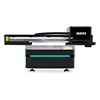
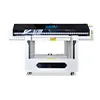
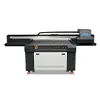
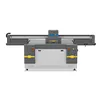
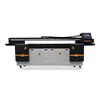
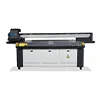
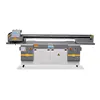
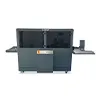
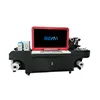
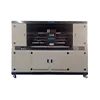
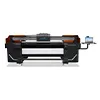

UV Printing on Metal: A Practical Guide for Signs, Nameplates and Custom Products
Metal products are widely used in industrial identification, advertising,
equipment labeling and personalized gifts. With a suitable
metal UV printer
businesses can print full-color graphics, white ink, logos, small text,
serial numbers and custom designs directly onto many types of metal surfaces.
However, successful UV printing on metal depends on more
than simply placing a metal sheet on the printer. Surface condition, ink
adhesion, white ink settings and scratch resistance all influence the
final result.
This guide explains which metal products can be printed, how to achieve
stable adhesion and which metal printing applications may offer valuable
business opportunities.
Can a UV Printer Print Directly on Metal?
Yes. A UV flatbed printer can print directly on many flat metal materials.
UV ink is cured immediately by UV lamps, allowing the printed image to
remain on the surface without a long drying process.
Common printable metal materials include:
- Aluminum sheets
- Coated aluminum panels
- Stainless steel plates
- Painted metal panels
- Anodized aluminum
- Metal tags and pendants
- Equipment nameplates
- Metal advertising signs
The printing result may vary because different metals have different
coatings, surface textures and levels of oil contamination. A smooth
painted aluminum panel may provide good adhesion immediately, while
untreated stainless steel may require cleaning or a metal primer.
For this reason, sample testing should always be completed before batch production.
Popular Products for UV Printing on Metal
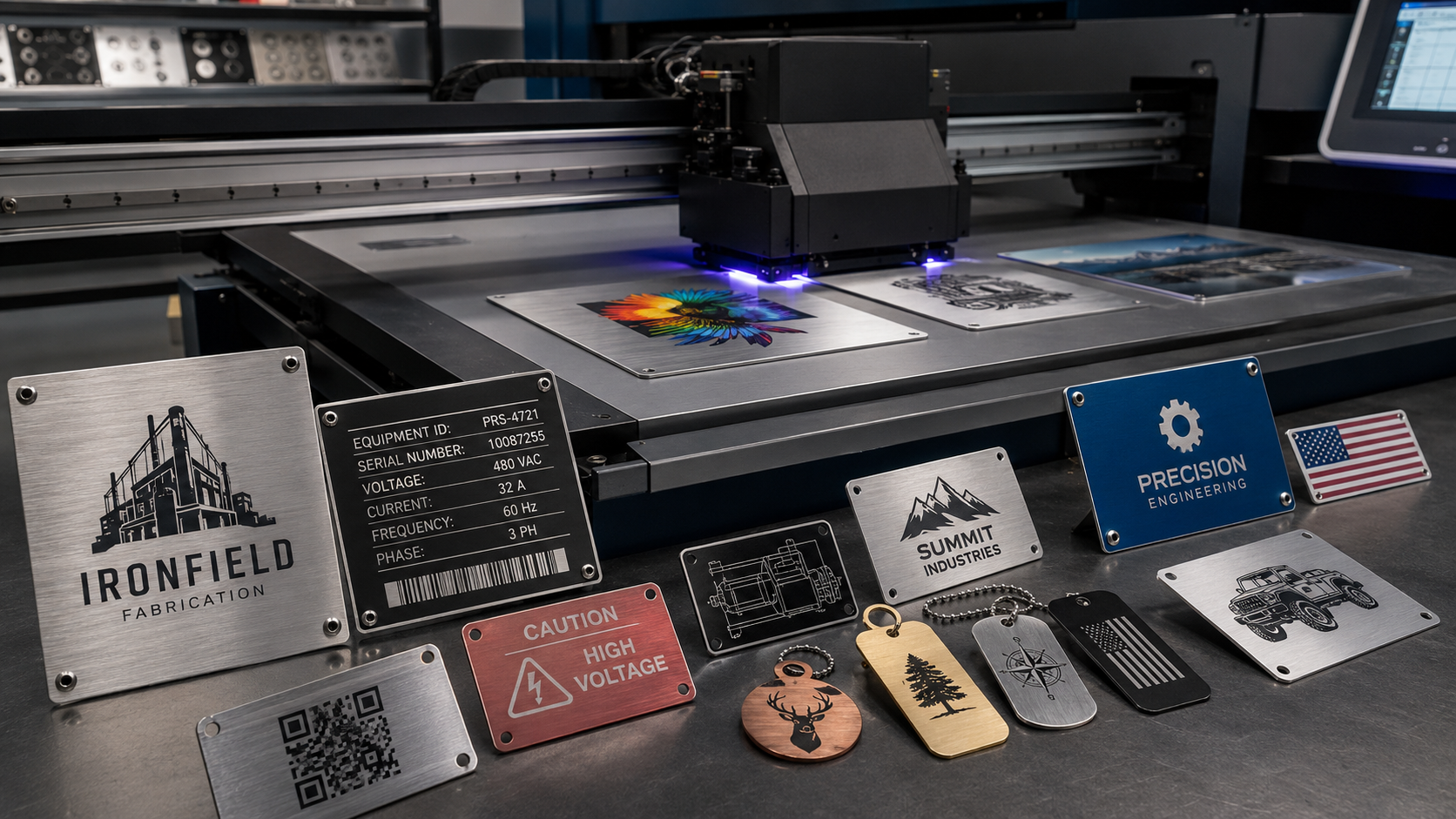
1. Metal Nameplates
Metal nameplate printing is one of the most practical UV
printer applications. These products are commonly used on machines,
electrical equipment, tools, control panels and industrial products.
A UV printer can reproduce company logos, product models, safety
information, operating instructions, QR codes and small text on a single
metal plate.
Compared with traditional screen printing, digital UV printing is
especially suitable for customized nameplates, variable information and
small production batches.
2. Aluminum Signs
Aluminum panels are widely used for indoor signs, directional signs,
warning signs, door plates and decorative displays. They are lightweight,
stable and available with different surface treatments.
A UV printer can print full-color images directly onto aluminum without
making printing plates. This makes it easier to produce different designs
within the same order.
3. Metal Tags and Pendants
Small metal tags can be customized for pets, luggage, keys, promotional
gifts and personal accessories. White ink and color ink can be combined
to create clear designs even on dark or colored metal surfaces.
This type of product is suitable for gift stores, online customization
businesses, advertising companies and small printing workshops.
4. Equipment and Industrial Labels
Industrial manufacturers often require labels containing product
specifications, warnings, serial numbers, control instructions or
maintenance information.
UV printing allows manufacturers to print small quantities quickly and
change the information for different equipment models without producing
a new screen or printing plate.
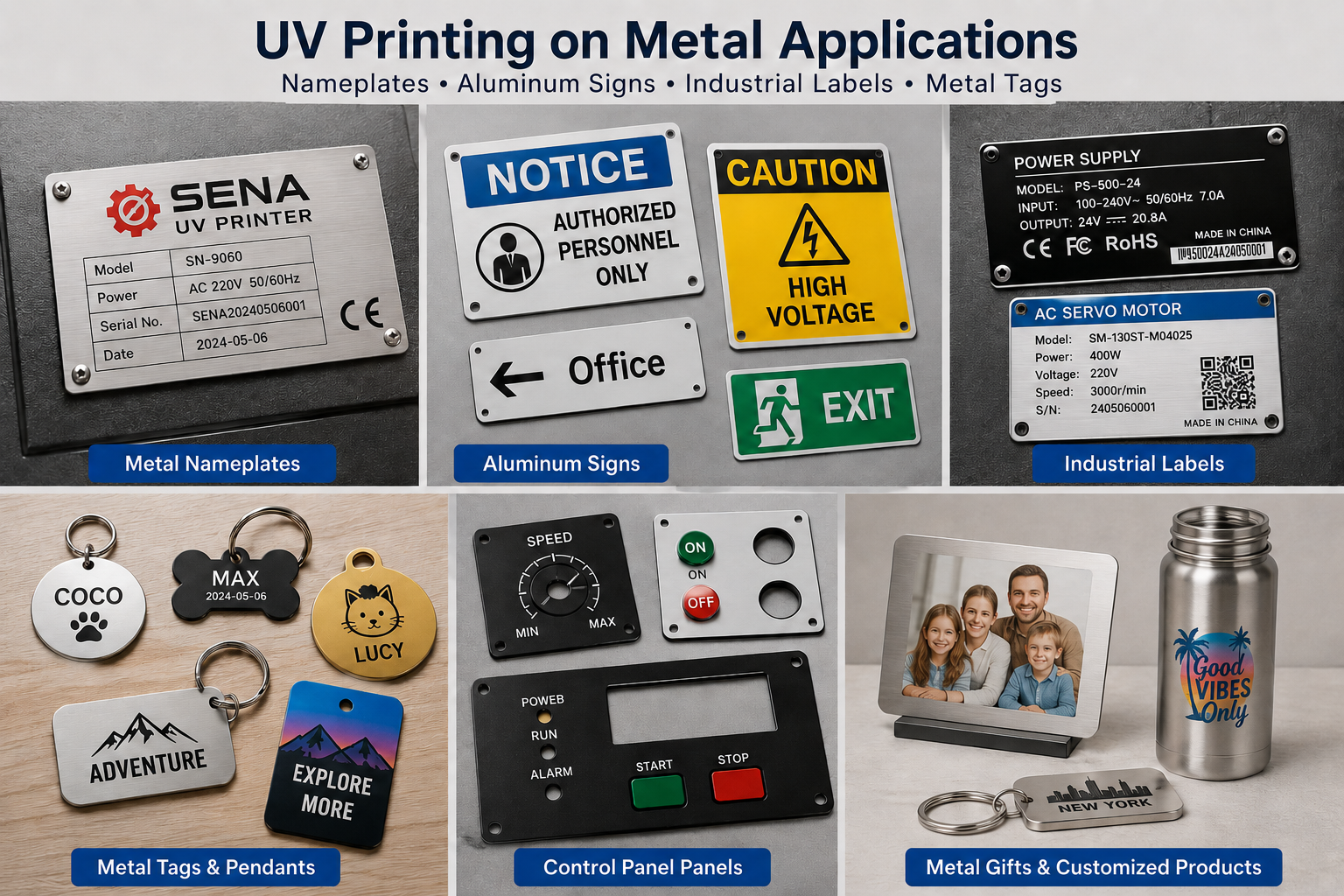
control labels and metal tags.
How to Improve Ink Adhesion on Metal
Ink adhesion is one of the most important considerations in
UV printing on metal. Metal surfaces may contain oil,
dust, oxidation or protective coatings that prevent the ink from bonding
properly.
Clean the Surface
Before printing, remove dust, oil, fingerprints and other contamination
from the material. Use a suitable cleaning method that does not damage
the metal coating.
After cleaning, avoid touching the printing area with bare hands because
fingerprints can reduce adhesion.
Check the Surface Coating
Some aluminum panels already have a printable coating, while some raw
metal sheets have a very smooth or low-adhesion surface. Even two metal
panels that look similar may produce different printing results.
Always confirm the material specification with the supplier and test the
actual production material.
Use a Metal Primer When Necessary
A primer or adhesion promoter may be required for untreated stainless
steel, polished metal or other difficult surfaces. The primer creates a
better bonding layer between the metal and UV ink.
Primer should be applied evenly and only in the printing area. Excessive
primer may create visible marks or affect the appearance of the finished product.
Adjust UV Lamp Power
UV lamp power influences how quickly the ink is cured. If the curing
power is too low, the ink may remain soft. If it is too high, some inks
may become brittle or lose adhesion on flexible or coated materials.
The correct setting depends on the ink, print speed, number of layers and
metal surface.
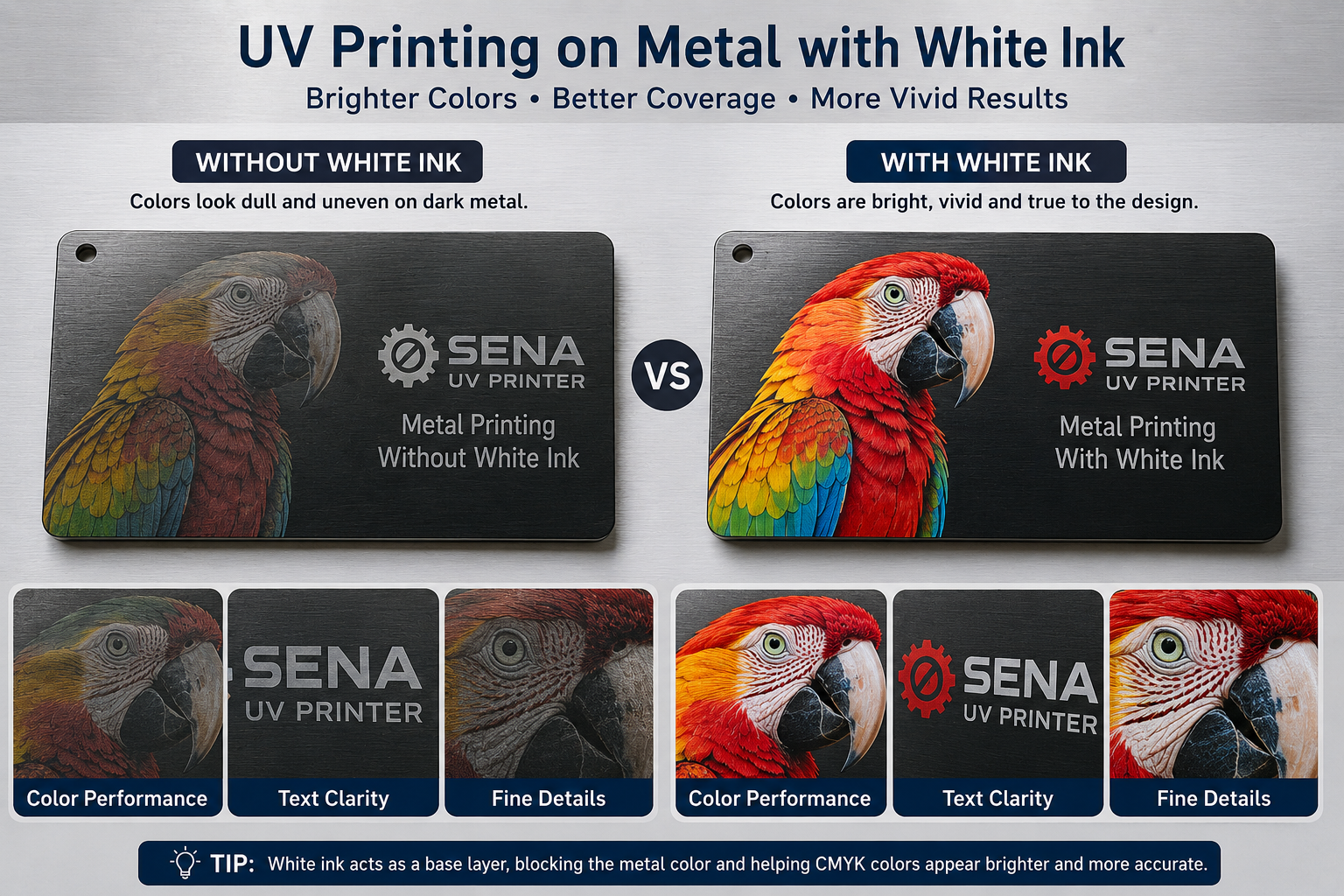
Why White Ink Is Important for Metal Printing
White ink is essential when printing on dark metal, brushed aluminum,
colored panels or reflective surfaces. Without a white ink layer, the
metal color may show through the image and reduce color accuracy.
White ink can be used in several ways:
- White ink under the color image
- White and color ink printed at the same time
- White text or graphics printed directly on dark metal
- Selective white ink for special visual effects
For most full-color designs, a white base layer helps the CMYK colors
appear brighter and more consistent.
On brushed aluminum, some customers intentionally leave parts of the
design without white ink. This allows the metallic texture to remain
visible and creates a premium appearance.
How to Perform a Scratch Resistance Test
A printed image may look clear immediately after production, but
appearance alone does not confirm that the ink adhesion is suitable.
Several simple tests can help evaluate the printing result.
Fingernail Test
Lightly scratch an unimportant area with a fingernail. The ink should not
peel away easily.
Adhesive Tape Test
Apply suitable adhesive tape firmly over the printed area and remove it
at a consistent angle. If a large amount of ink is removed, the surface
preparation or curing settings may need adjustment.
Cross-Cut Test
For more demanding applications, a small cross-cut pattern can be made in
the printed layer before applying tape. This test provides a clearer
indication of how strongly the printed coating remains attached to the
metal surface.
The testing principle can refer to
ISO 2409:2020 cross-cut testing guidance
.
The final testing method should be selected according to the product,
coating and actual application requirements.
Practical Use Test
The finished product should also be tested according to its real
application. A decorative indoor nameplate and an outdoor industrial sign
may require different levels of scratch, chemical and weather resistance.
For products exposed to frequent friction, cleaning chemicals or outdoor
conditions, a protective varnish, laminate or clear coating may be
considered after printing.
Industrial Identification Applications
Industrial identification is an important market for metal UV printing
because factories and equipment manufacturers regularly need customized
labels in different sizes and quantities.
Typical products include:
- Machine model plates
- Electrical cabinet labels
- Control panel markings
- Warning and safety signs
- Asset identification tags
- Serial number plates
- Maintenance instruction labels
Small text quality is especially important for these applications. The
printer must maintain accurate positioning, stable ink output and a
proper distance between the printhead and the material.
Businesses producing industrial nameplates may also use variable data to
print different numbers, QR codes or product information within the same batch.
Personalized Gifts and Custom Metal Products
Metal UV printing is not limited to industrial products. It can also
support personalized gift and promotional product businesses.
Common customized products include:
- Pet identification tags
- Keychains
- Metal photo panels
- Luggage tags
- Commemorative plates
- Corporate gifts
- Customized metal cards
- Decorative wall signs
Digital printing allows each product to have a different name, image or
message. This makes UV printing suitable for personalized orders, short
production runs and online customization services.
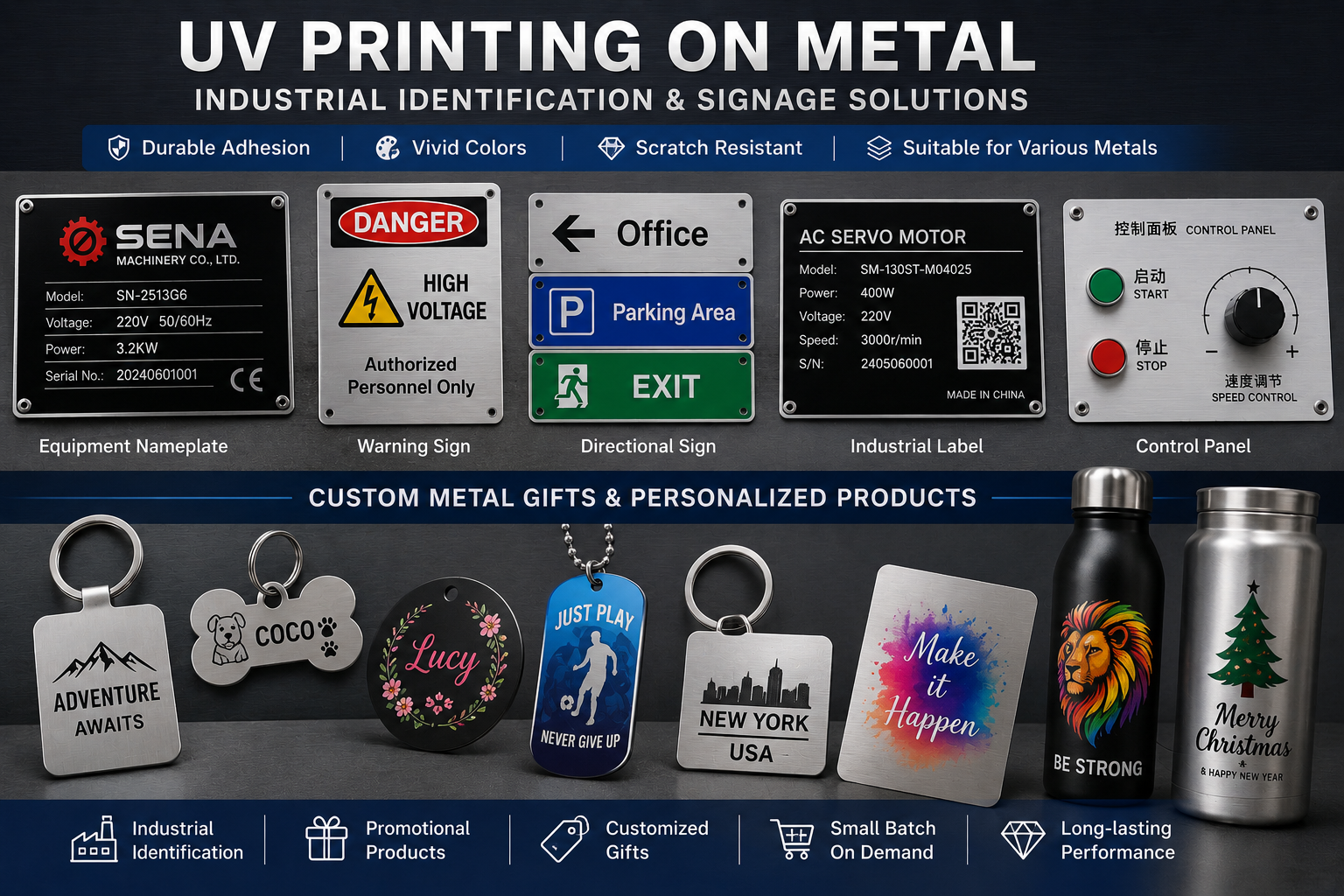
gift production.
Is Metal UV Printing a Good Business Opportunity?
Metal printing can be a valuable application for businesses that already
serve advertising, industrial manufacturing, gift customization or
signage customers.
It is particularly suitable for:
- Sign-making companies
- Industrial label manufacturers
- Promotional gift suppliers
- Online customization stores
- Equipment manufacturers
- Printing service providers
- Small workshops producing personalized products
The business advantage is not simply printing a color image. The real
value comes from offering fast customization, small minimum order
quantities, variable information and multiple product designs.
A customer may only need ten equipment plates, fifty personalized tags or
several different sign designs. These orders are often difficult to
handle efficiently with traditional mass-production printing methods.
How to Choose a Metal UV Printer
The correct printer should be selected according to the product size,
production volume and required print quality.
Important factors include:
- Maximum printing size
- Printhead type and printing resolution
- White ink configuration
- Vacuum platform stability
- 최대 재료 두께
- Ink circulation and maintenance system
- RIP software functions
- Technical support and spare parts availability
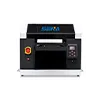
A compact desktop
metal UV printer
may be suitable for tags, small nameplates and promotional products.
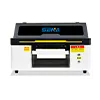
A larger
UV 플랫베드 프린터
is better for aluminum sheets, advertising panels and industrial signs.
Before purchasing a machine, send your actual metal samples and artwork
to the printer supplier. A professional sample test should evaluate image
clarity, white ink coverage, adhesion and production speed.
자주 묻는 질문
Does Every Metal Surface Require Primer?
No. Some coated or painted metal surfaces provide good adhesion without
primer. Raw, polished or low-adhesion metals are more likely to require
an adhesion promoter. Testing is necessary.
Can a UV Printer Print Small Text and QR Codes on Metal?
Yes, provided that the artwork, printhead condition, printing height and
machine calibration are properly controlled. Always test the actual text
size and QR code before production.
Can UV-Printed Metal Products Be Used Outdoors?
Some products can be used outdoors, but durability depends on the ink,
metal coating, sunlight, temperature, moisture and physical wear. Outdoor
products should be tested, and an additional protective layer may be required.
Can One Printer Produce Both Industrial Labels and Customized Gifts?
Yes. A UV flatbed printer can handle different metal products as long as
they fit within the machine’s printing size and height limits. Appropriate
fixtures may be needed for small or irregular products.
결론
UV printing on metal provides a flexible solution for
producing metal nameplates, aluminum signs, industrial labels, tags and
personalized gifts.
Stable results depend on correct surface cleaning, adhesion testing, white
ink settings and UV curing parameters. Businesses should not assume that
every metal surface will produce the same result.
For companies serving industrial, advertising or customization markets,
metal printing can expand the product range and create opportunities for
short-run, high-value and personalized orders.
Before investing in a metal UV printer, test your real materials, confirm
the required production size and choose a supplier that can provide
application support, printing samples and reliable after-sales service.
Test Your Metal Products Before Purchasing
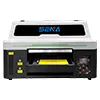
SENA UV flatbed printers can be configured for metal nameplates, aluminum
panels, signs, tags and customized products. Send us your metal material,
product size and printing design. Our team can recommend a suitable
machine and arrange a sample printing test.