

 Korean
  English
  Arabic
  German
  French
  Spanish
  Turkish
  Italian
  Russian
  Persian
  Bengali
  Hebrew
  Persian (Afghanistan)
  Scottish Gaelic
  Panjabi
  Croatian
  Slovenian
  Greek
Greek  Afrikaans
  Czech
Czech  Japanese
  Portuguese





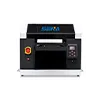
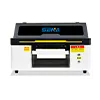
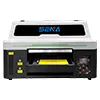
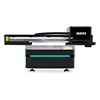
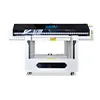
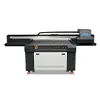
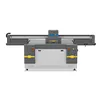
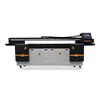
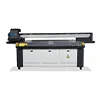
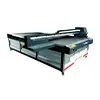
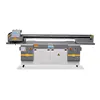
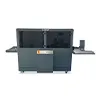
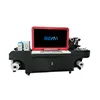
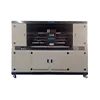
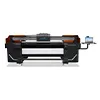
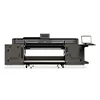

Buying a UV printer from an overseas supplier involves more than comparing machine prices and technical specifications. Printing quality, equipment stability, after-sales support, spare parts availability, certification and operating costs can all affect the success of your investment. This guide summarizes nine common UV printer purchasing challenges and helps international buyers make a safer and more informed decision.

Buying a UV Printer Is More Than Choosing a Machine
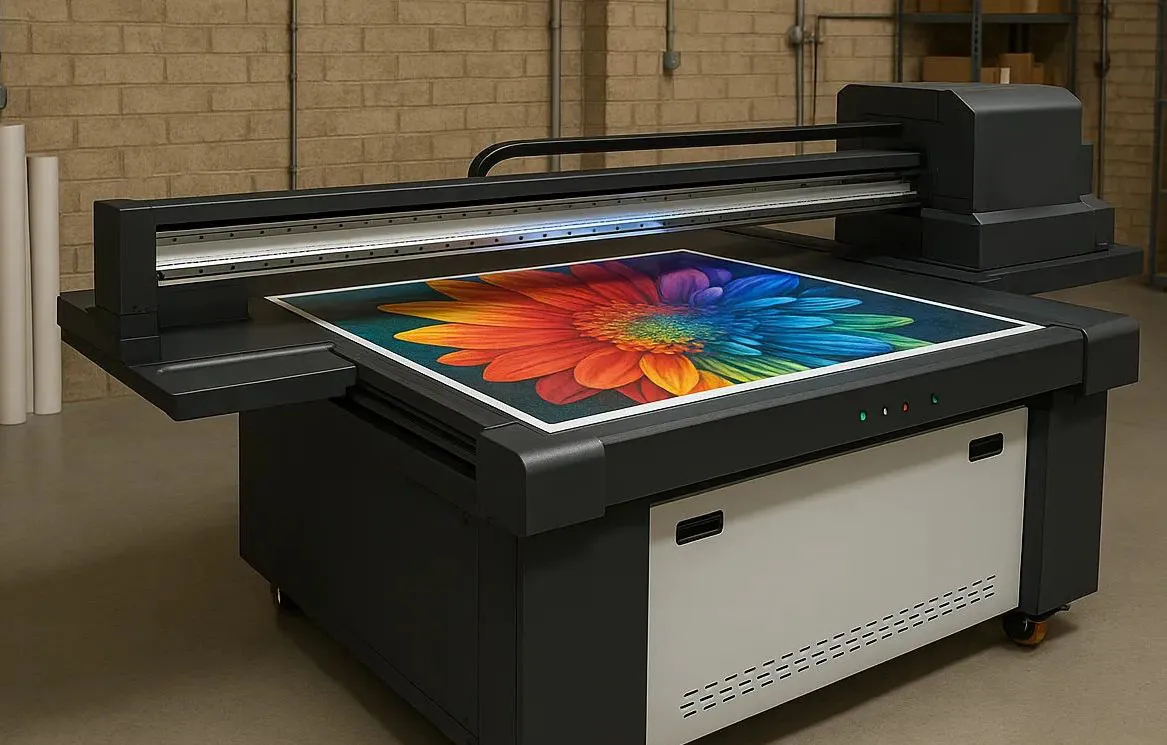
UV printers are widely used for printing on acrylic, glass, wood, metal, plastic, leather, signage materials and customized products. However, different businesses require different printing sizes, printhead configurations, ink systems, production speeds and automation levels.
For overseas buyers, the purchasing process can be more complicated because the supplier, technical team and machine are located in another country. A problem that appears small before purchase may become a serious production risk after the machine arrives.
The following nine sections provide a quick overview of the most common challenges. Each section also links to a more detailed guide for buyers who want to understand a specific issue.
1. Too Much Information Makes It Difficult to Choose the Right UV Printer
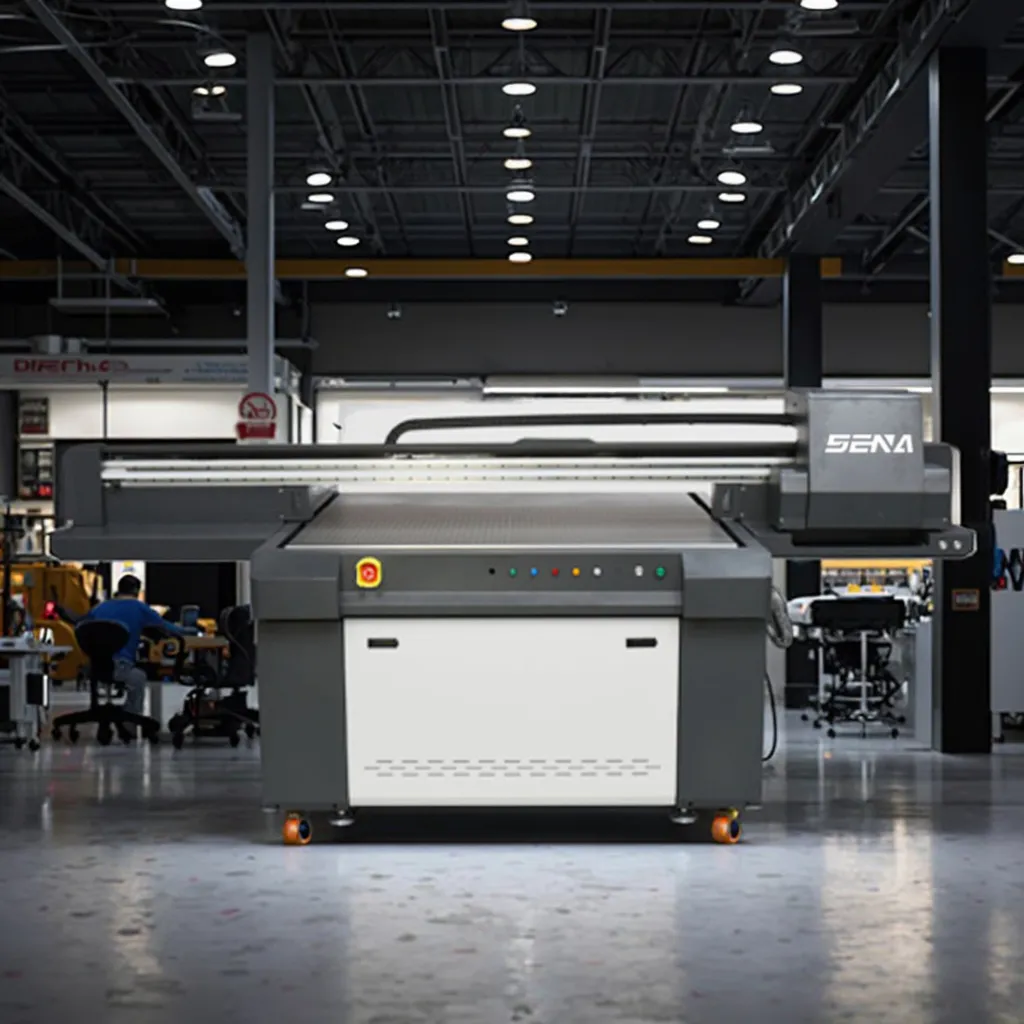
The UV printer market includes many machine sizes, printhead brands, ink configurations and optional accessories. Two printers may look similar in product photos but perform very differently in actual production. Buyers who focus only on machine size or price may choose equipment that cannot meet their material, speed or output requirements. Before selecting a model, it is important to confirm the maximum product size, material type, daily production volume, required printing effect and future business plans. A professional supplier should recommend a solution based on the buyer’s application instead of simply promoting the most expensive machine.
Read the full guide: How to Choose the Right UV Printer for Your Business
2. The Actual Printing Quality May Not Meet Expectations
Product photos and standard samples may show attractive colors and fine details, but they do not always represent the results on a customer’s own materials. Printing quality can be affected by material surface, ink adhesion, printhead condition, color profiles, white ink settings and curing parameters. International buyers should send their actual materials or detailed application information to the supplier before placing an order. A reliable sample test should evaluate color accuracy, image resolution, adhesion, scratch resistance and production consistency. Buyers should not make a final decision based only on promotional images or short demonstration videos.
Read the full guide: Why Does the Final UV Printing Result Look Different from the Sample?
3. Unstable Equipment Can Interrupt Production
Equipment stability directly affects delivery time, production costs and customer satisfaction. Frequent ink interruption, nozzle clogging, color deviation, positioning errors or software failures can stop production and waste materials. Some low-cost machines may perform well during short demonstrations but become unstable during continuous operation. Buyers should evaluate the machine structure, motion system, ink supply system, electrical components and control software before purchase. It is also helpful to request continuous printing videos, customer case studies and information about long-term machine operation. Stable production is often more valuable than a small difference in the initial purchase price.
Read the full guide: Why UV Printers Become Unstable and How to Avoid Costly Production Downtime
4. Slow After-Sales Support Increases Communication Costs
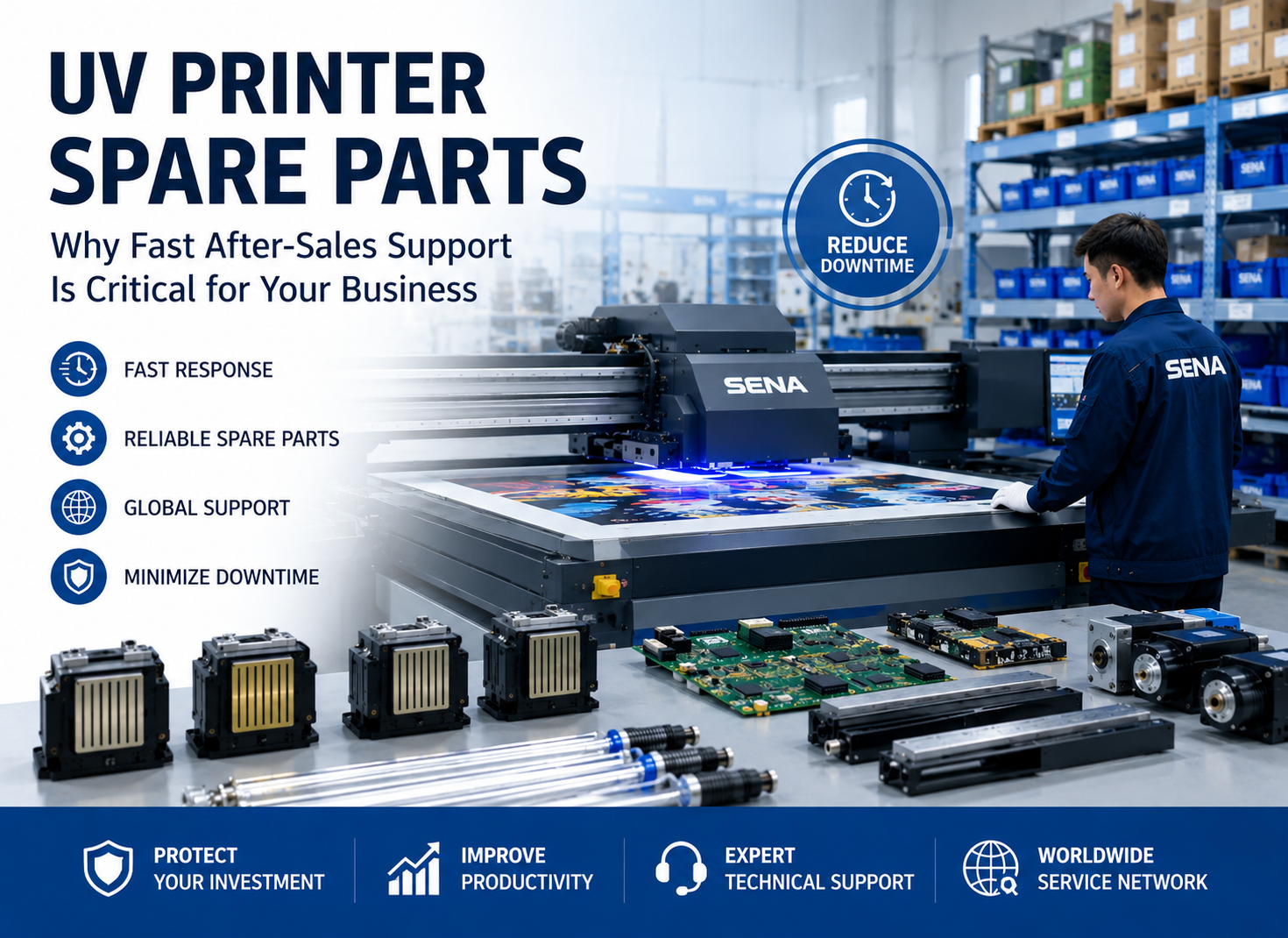
When a machine problem occurs, delayed technical support can quickly turn a minor issue into several days of production downtime. Overseas buyers may face time-zone differences, language barriers and slow communication with inexperienced sales representatives. Before ordering a UV printer, buyers should confirm who provides technical support, how quickly the team responds and which communication methods are available. Professional suppliers normally provide remote diagnosis, video guidance, software assistance and clear troubleshooting procedures. A dedicated technical team that understands both the machine and the printing application can significantly reduce downtime and help customers restart production more efficiently.
Read the full guide: Why Fast UV Printer After-Sales Support Matters
5. Spare Parts and Consumables May Be Difficult to Obtain
UV printers require long-term access to inks, filters, dampers, UV lamps, sensors, control boards, motors and printhead-related components. When a critical part is unavailable locally, international shipping delays can stop production for days or even weeks. Buyers should ask whether the supplier keeps commonly used spare parts in stock and whether the parts can be shipped quickly. It is also important to understand consumable prices, replacement cycles and compatibility requirements. Preparing a basic spare-parts package with the original machine can reduce future risks and make daily maintenance more convenient for overseas users.
Read the full guide: UV Printer Spare Parts and Consumables Buyers Should Prepare
6. Complicated Operation and Maintenance Increase Training Costs
Operating a UV printer involves more than loading an image and pressing the print button. Users may need to understand printing software, color management, white ink settings, material positioning, nozzle testing and daily maintenance. Without proper training, beginners can make mistakes that waste ink, damage materials or shorten printhead life. Buyers should confirm whether the supplier provides operating manuals, installation videos, maintenance instructions and live remote training. A user-friendly machine combined with systematic training helps new operators become productive faster and reduces dependence on trial and error during the first months of operation.
Read the full guide: UV Printer Operation and Maintenance Guide
8. Certification and Local Standards Cannot Be Ignored
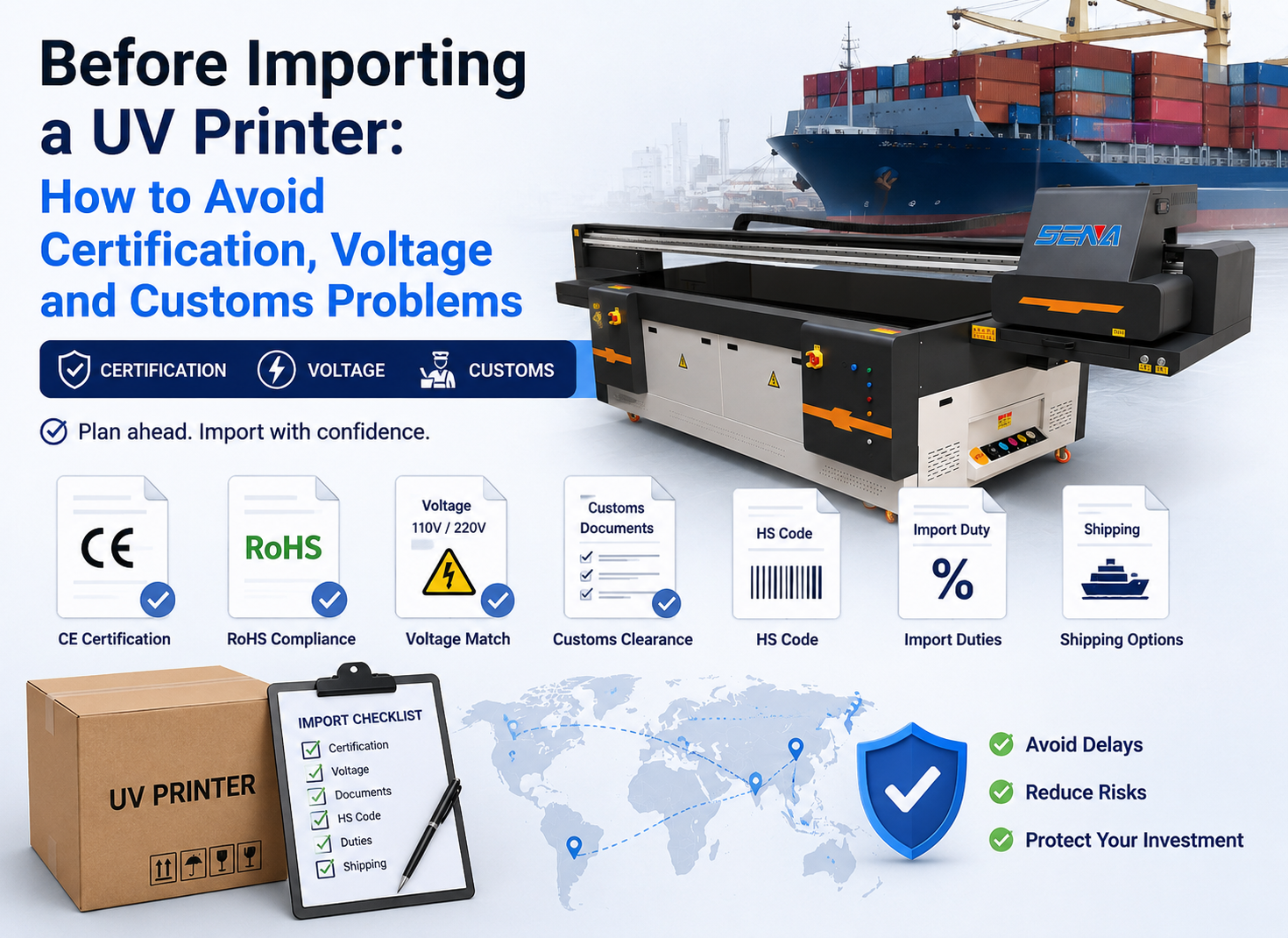
Electrical standards, voltage requirements, plug types, safety regulations and import documents vary between countries. A machine that works correctly in one market may require changes before it can be installed in another. Missing certificates or incorrect shipping documents may also lead to customs delays, additional inspection costs or import restrictions. Overseas buyers should confirm machine voltage, frequency, plug configuration and required certifications before production begins. The supplier should also provide clear packing lists, commercial invoices and equipment information. Checking local requirements in advance can prevent expensive modifications after the UV printer reaches the destination country.
Read the full guide: UV Printer Certification, Voltage and Import Requirements
9. Uncertain Return on Investment Makes the Decision More Difficult
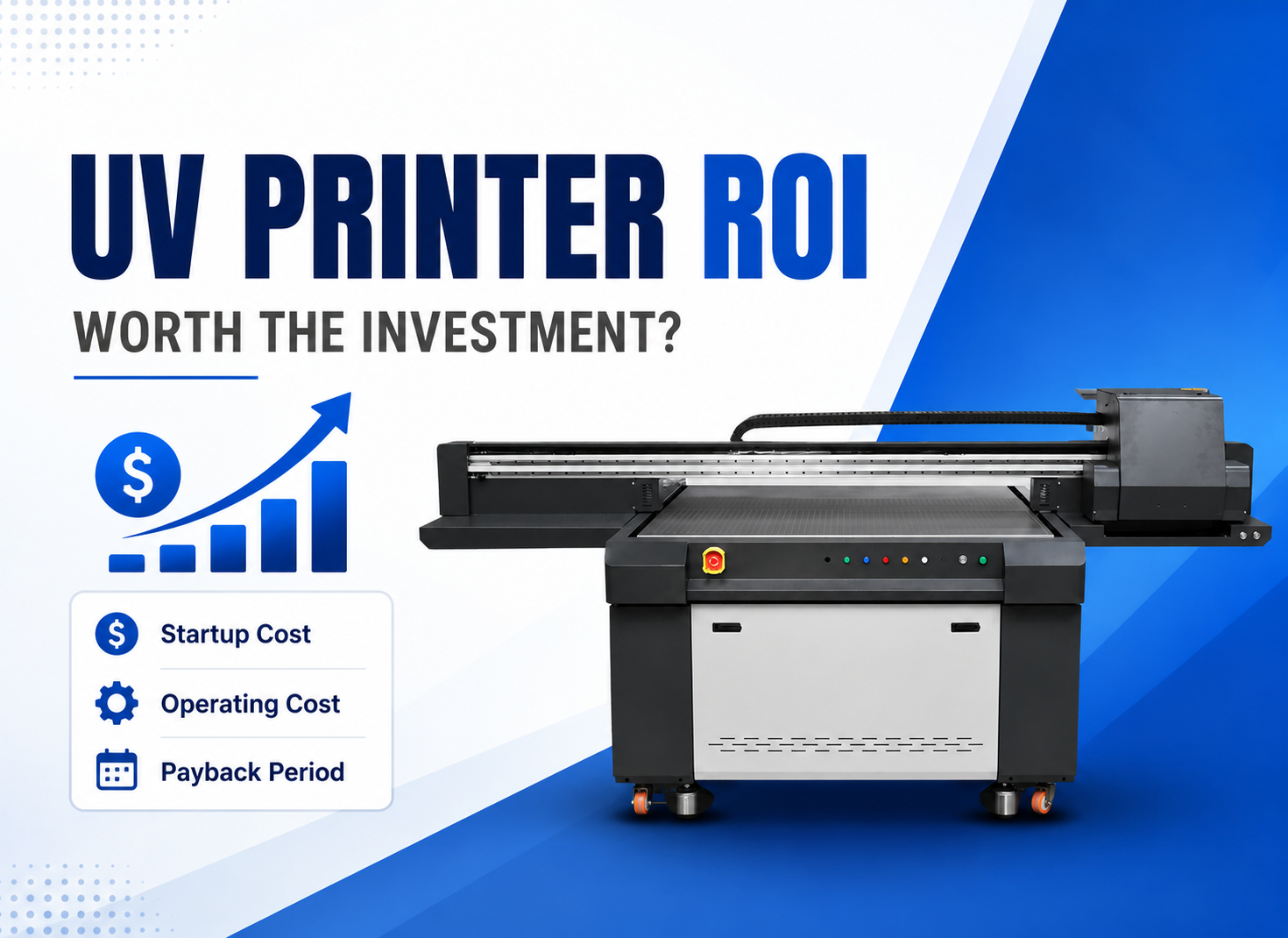
Many buyers understand the applications of UV printing but are unsure how quickly the machine can recover its cost. Return on investment depends on order volume, product selling price, ink consumption, labor costs, printing speed and local market demand. Buyers should estimate the profit per product and calculate how many orders are required to cover the initial investment. It is also important to consider whether the machine can support multiple applications and create new revenue opportunities. A practical ROI analysis helps buyers choose an appropriate machine size and avoid investing in production capacity that they do not currently need.
Read the full guide: How to Calculate UV Printer Return on Investment
How to Reduce the Risks of Buying a UV Printer Overseas
Most purchasing risks can be reduced through careful preparation and clear communication with the supplier. Before making a final decision, international buyers should complete the following checks:
- Define the printing materials, product sizes and expected daily output.
- Request sample testing using real production materials.
- Confirm the machine configuration and included accessories.
- Evaluate equipment stability and continuous printing performance.
- Check technical support response times and training arrangements.
- Confirm spare parts availability and consumable supply.
- Calculate shipping, customs, maintenance and operating costs.
- Verify local voltage, plug, certification and import requirements.
- Estimate the expected profit and investment recovery period.
A Reliable UV Printer Supplier Should Provide More Than a Machine
A successful UV printer investment depends on the complete solution, not only the equipment itself. A responsible supplier should provide professional machine selection, real sample testing, stable equipment, technical training, responsive after-sales service, spare-parts support and transparent pricing.
Taking time to evaluate these nine areas before purchase can help buyers avoid unexpected costs, reduce production risks and choose a UV printing solution that supports long-term business growth.
Need Help Choosing the Right UV Printer?
Send SENA your printing material, maximum product size, required printing effect, expected daily output and target market. Our team can recommend a suitable UV printer configuration and arrange sample testing based on your actual application.