

 Portuguese
  English
  Arabic
  German
  French
  Spanish
  Turkish
  Italian
  Russian
  Persian
  Bengali
  Hebrew
  Persian (Afghanistan)
  Scottish Gaelic
  Panjabi
  Croatian
  Slovenian
  Greek
Greek  Afrikaans
  Czech
Czech  Korean
  Japanese





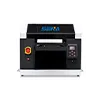
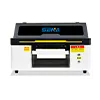
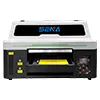
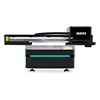
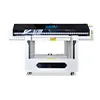
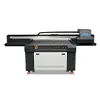
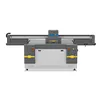
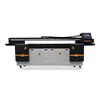
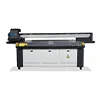
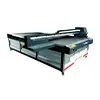
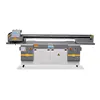
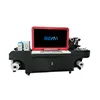
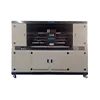
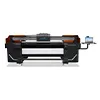
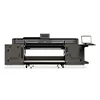

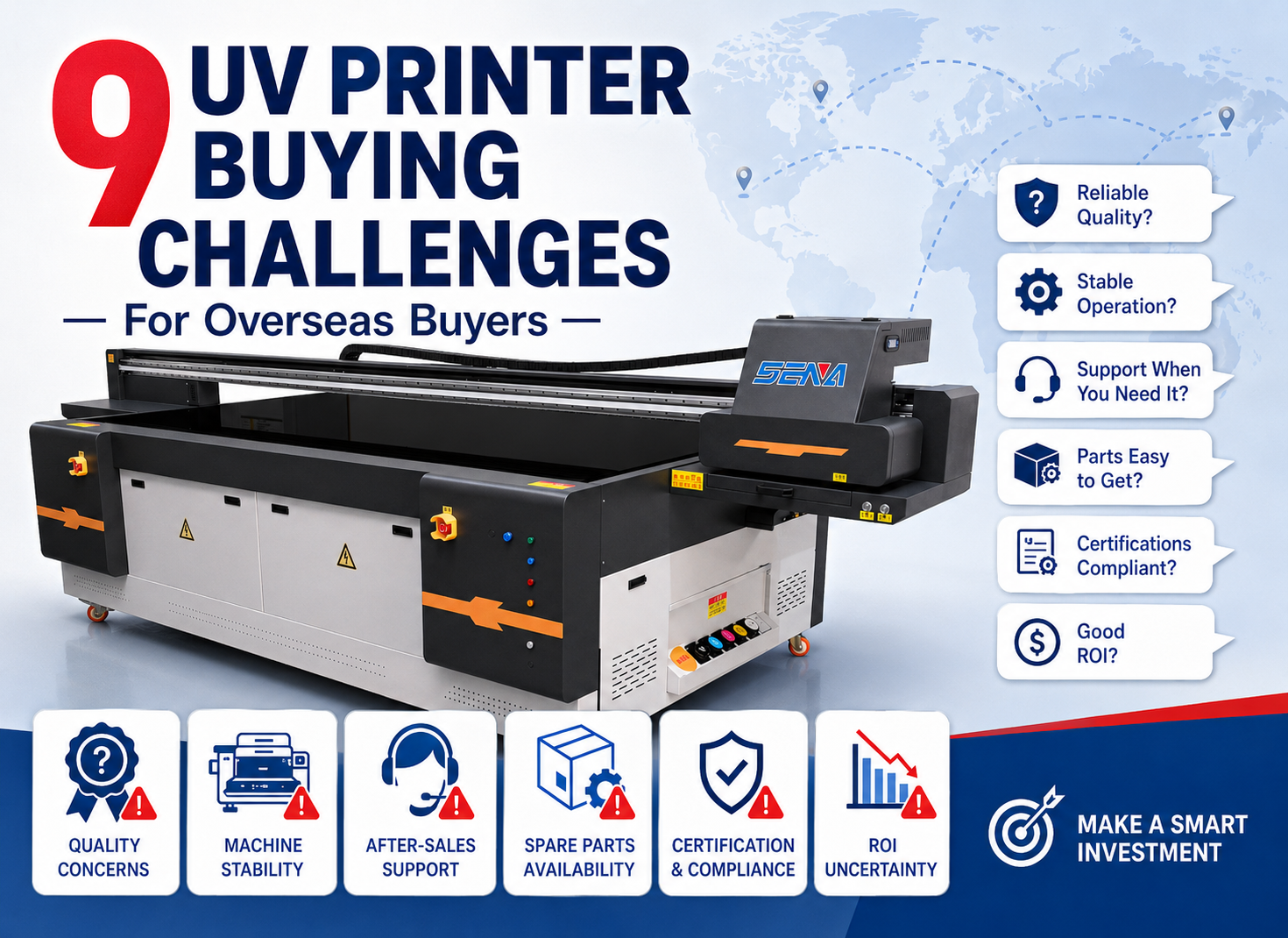
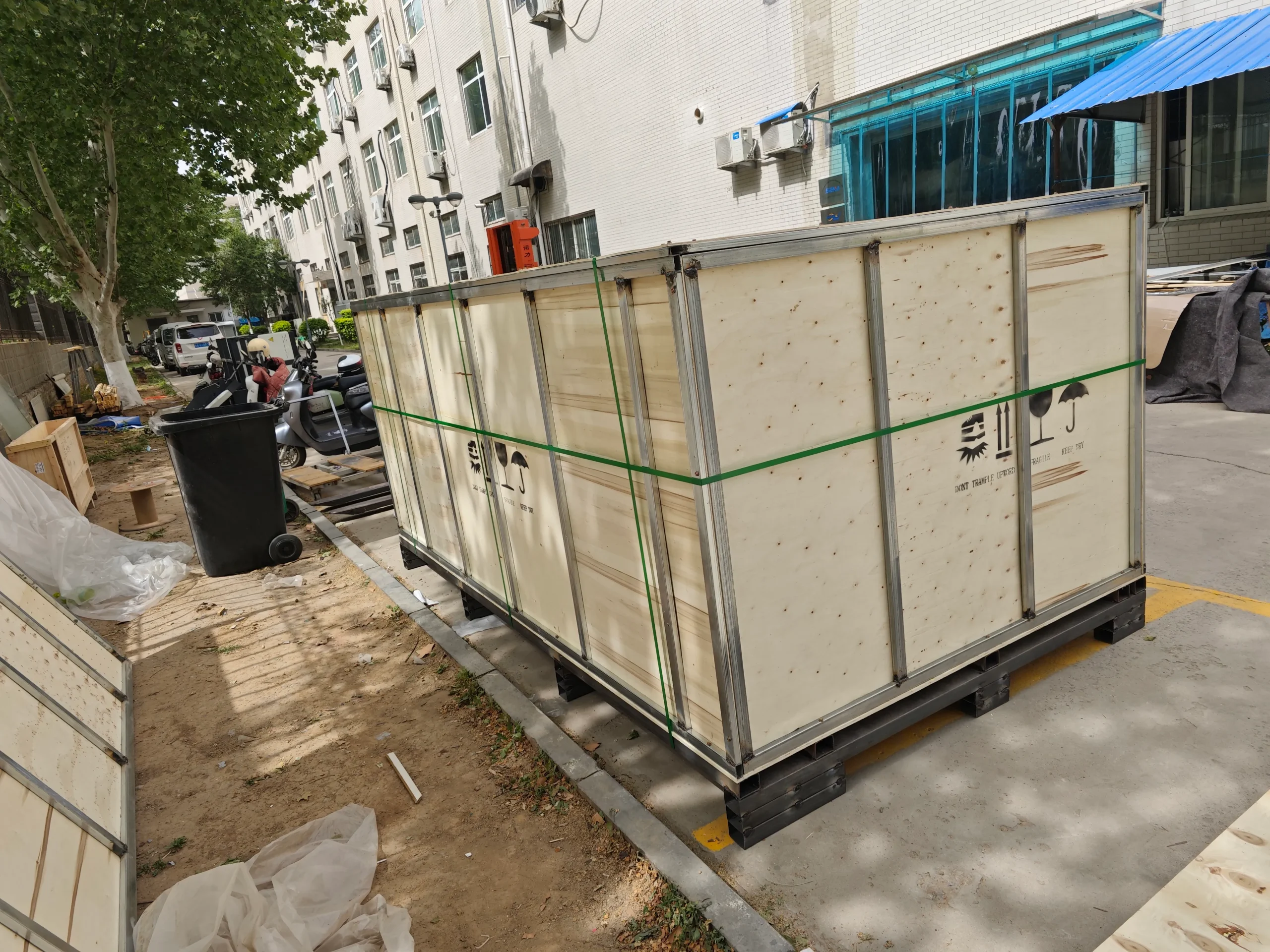
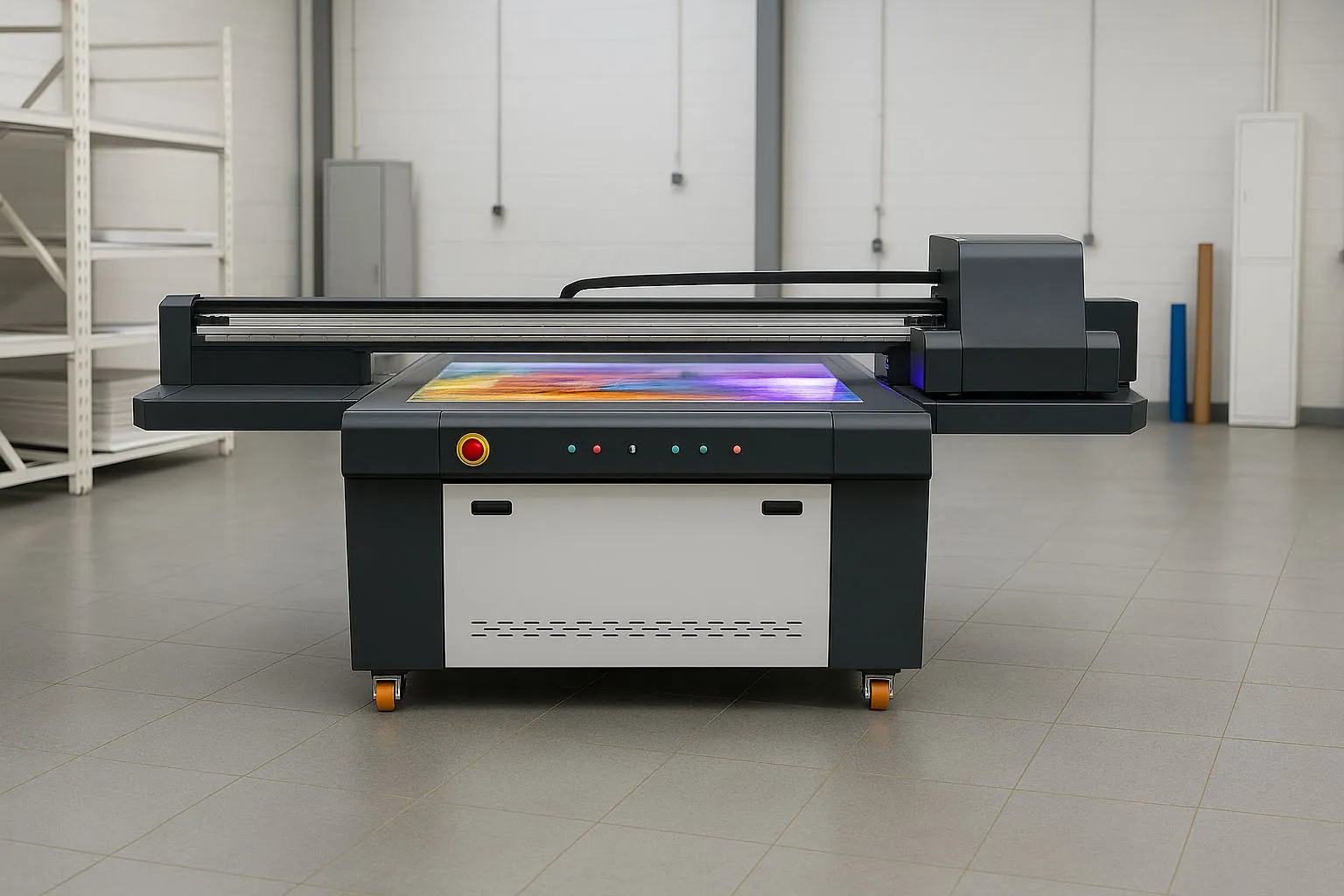
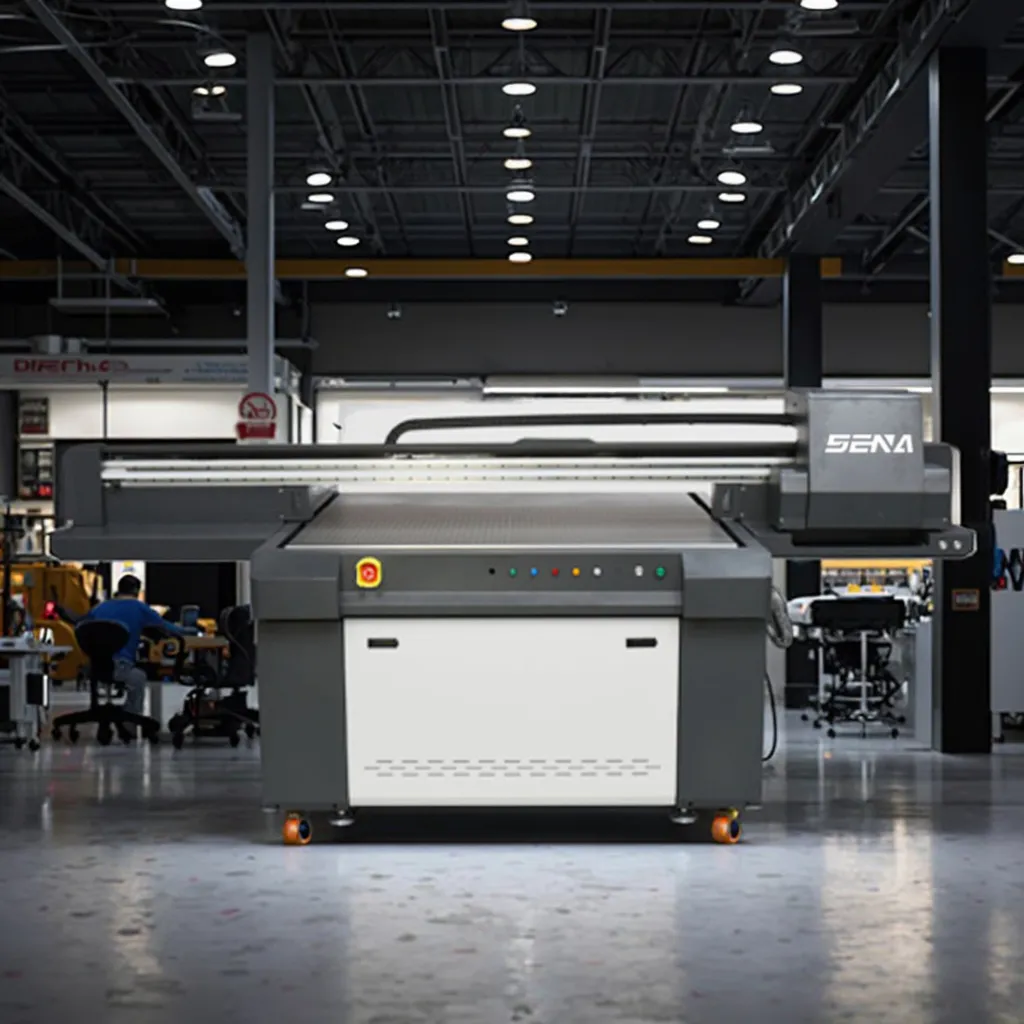
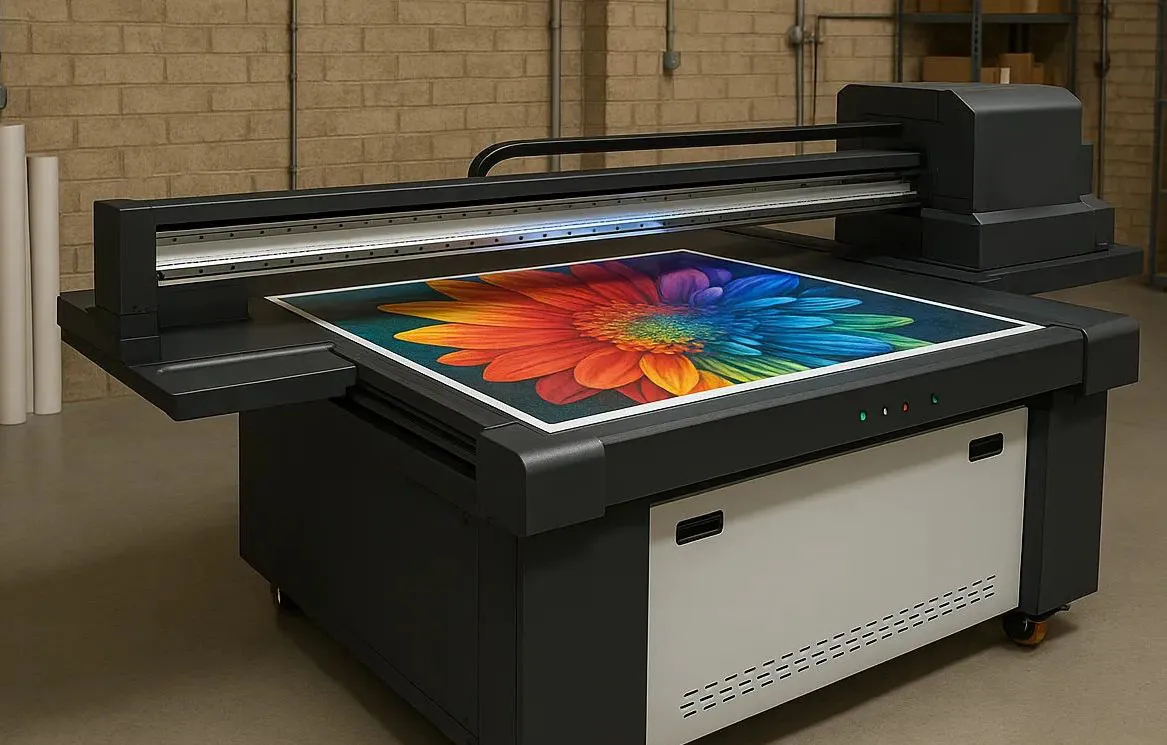
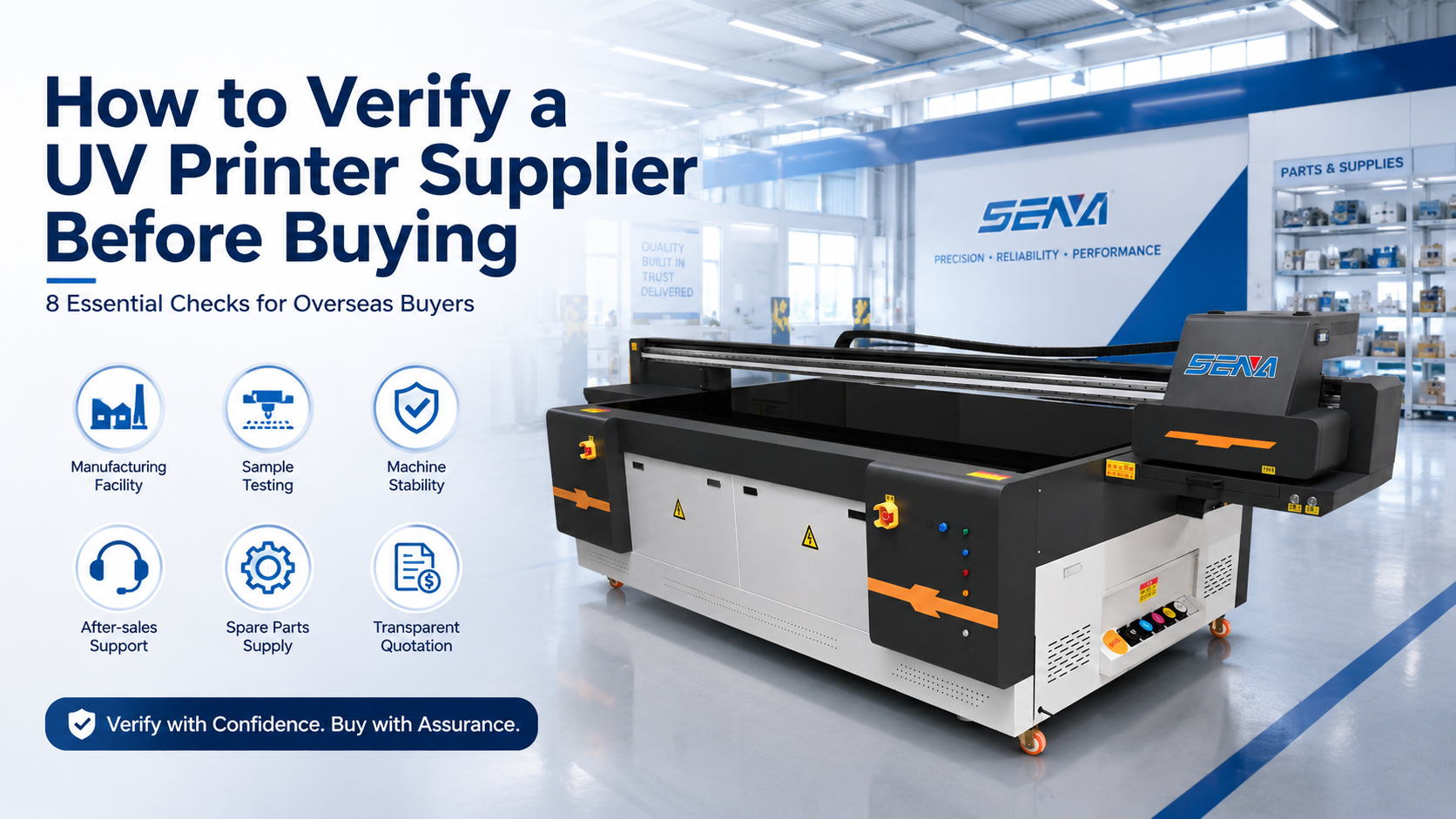
Choosing the right UV printer is important, but choosing a reliable supplier is equally critical. For overseas buyers, the supplier’s manufacturing ability, technical knowledge, after-sales support, spare parts supply and quotation transparency can directly affect the success of the investment. This guide explains eight essential checks to complete before purchasing a UV printer from an overseas supplier.
Choosing the Supplier Is as Important as Choosing the Machine
When purchasing a UV printer, many buyers focus mainly on printing size, printhead model, speed and machine price. However, the supplier behind the machine can be just as important as the equipment itself.
For overseas customers, the supplier may be responsible for machine configuration, sample testing, production inspection, installation guidance, operator training, spare parts delivery and long-term technical support. If the supplier lacks experience or service capability, even a suitable machine may become difficult to operate and maintain.
Before making a payment, buyers should carefully evaluate whether the UV printer supplier has the experience, resources and service system required to support the project. The following eight checks can help reduce purchasing risks.
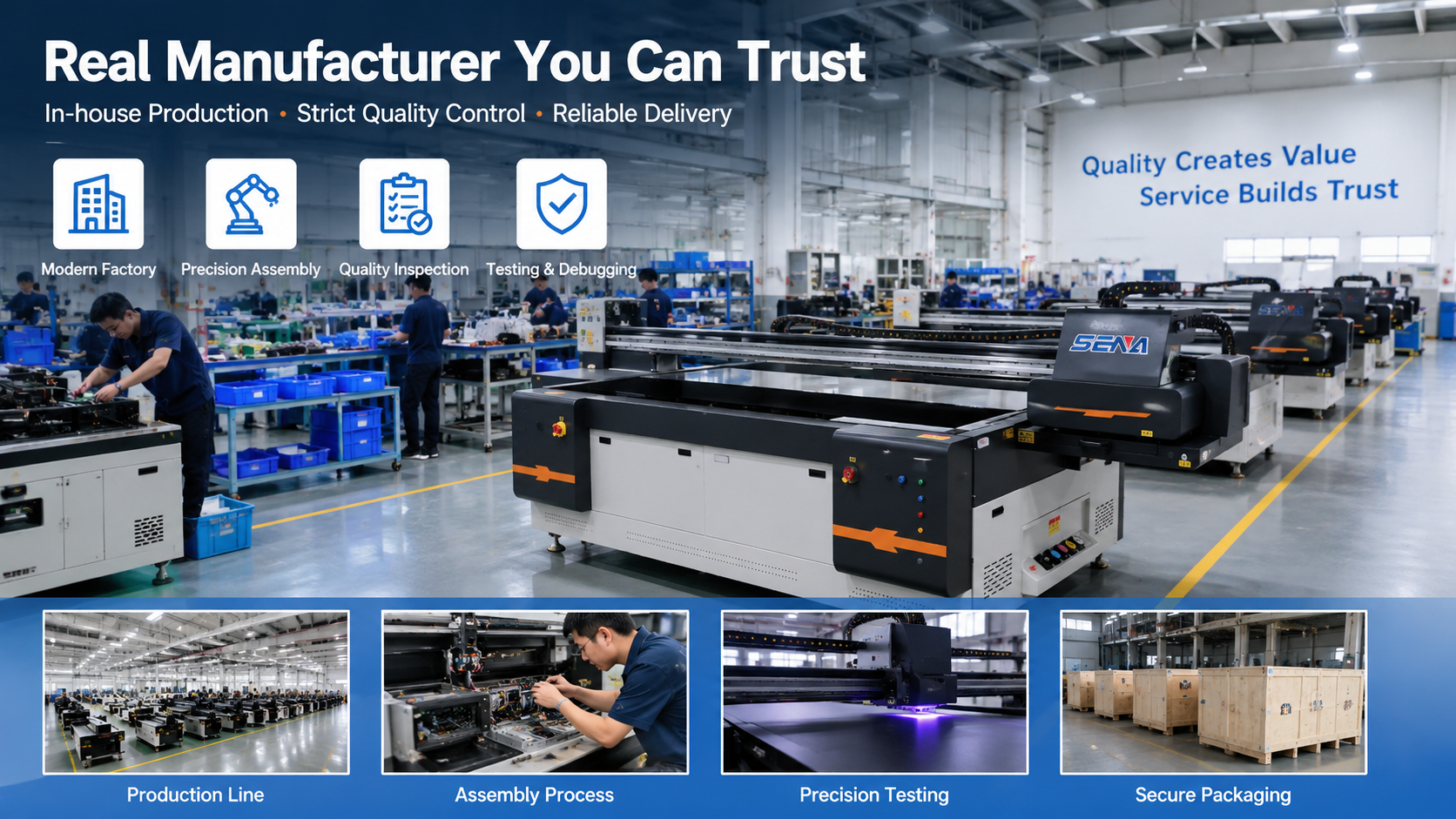
1. Check Whether the Supplier Is a Real Manufacturer
The first step is to confirm whether the supplier is a real UV printer manufacturer, a trading company or an intermediary. A manufacturer usually has a production workshop, assembly area, testing equipment, technical engineers and spare parts inventory.
Buyers can request factory photos, workshop videos or a live video inspection. During a live video call, ask the supplier to show the machine assembly area, testing process, warehouse and completed machines waiting for shipment. This provides more useful information than promotional images alone.
A real manufacturer should also be able to explain machine structure, configuration differences, production procedures and customization options clearly. However, being a factory does not automatically guarantee good quality. Buyers should evaluate manufacturing ability together with technical knowledge, service capability and customer experience.
2. Evaluate Their Knowledge of Your Printing Application
A professional UV printer supplier should not recommend a machine before understanding the buyer’s application. The supplier should ask about the printing material, maximum product size, surface shape, required printing effect, expected daily output and available budget.
Different applications require different solutions. Printing on acrylic signs, metal plates, glass panels, wood products, leather, promotional gifts or cylindrical objects may require different machine sizes, ink configurations, fixtures, coatings or rotary devices.
Be cautious if a supplier recommends the most expensive model without asking detailed questions. A reliable supplier should explain why a certain machine is suitable and identify possible limitations before the order is placed.
3. Request Real Sample Testing
Sample testing is one of the most effective ways to verify whether a UV printer can meet actual production requirements. Whenever possible, buyers should send their own materials to the supplier instead of evaluating only standard factory samples.
The sample test should evaluate color accuracy, image resolution, white ink coverage, varnish effects, adhesion, scratch resistance and curing quality. For products used outdoors or exposed to cleaning, buyers may also need to discuss durability requirements.
Ask the supplier to provide a complete video showing material loading, file preparation, printing and the final result. This helps confirm that the sample was produced by the proposed machine rather than another model or printing process.
A good supplier should also explain whether a primer, coating or special surface treatment is required. This information is essential for calculating the real production process and operating cost.

4. Verify Machine Stability and Production Performance
A short demonstration may show attractive printing quality, but it does not prove that the machine can operate reliably during continuous production. Buyers should ask for longer printing videos and information about the machine’s testing process before shipment.
Important areas include the machine frame, guide rails, motors, control system, ink supply system, white ink circulation, negative-pressure control and automatic maintenance functions. The supplier should be able to explain the brands and functions of key components.
Buyers should also ask how the factory checks nozzle condition, movement accuracy, color consistency and continuous printing performance. A clear inspection process reduces the risk of receiving a machine with unresolved problems.
Stable operation is especially important for businesses with regular production orders. A small saving in purchase price can quickly be lost if frequent downtime causes delayed deliveries, wasted materials and customer complaints.
5. Confirm the After-Sales Support Process
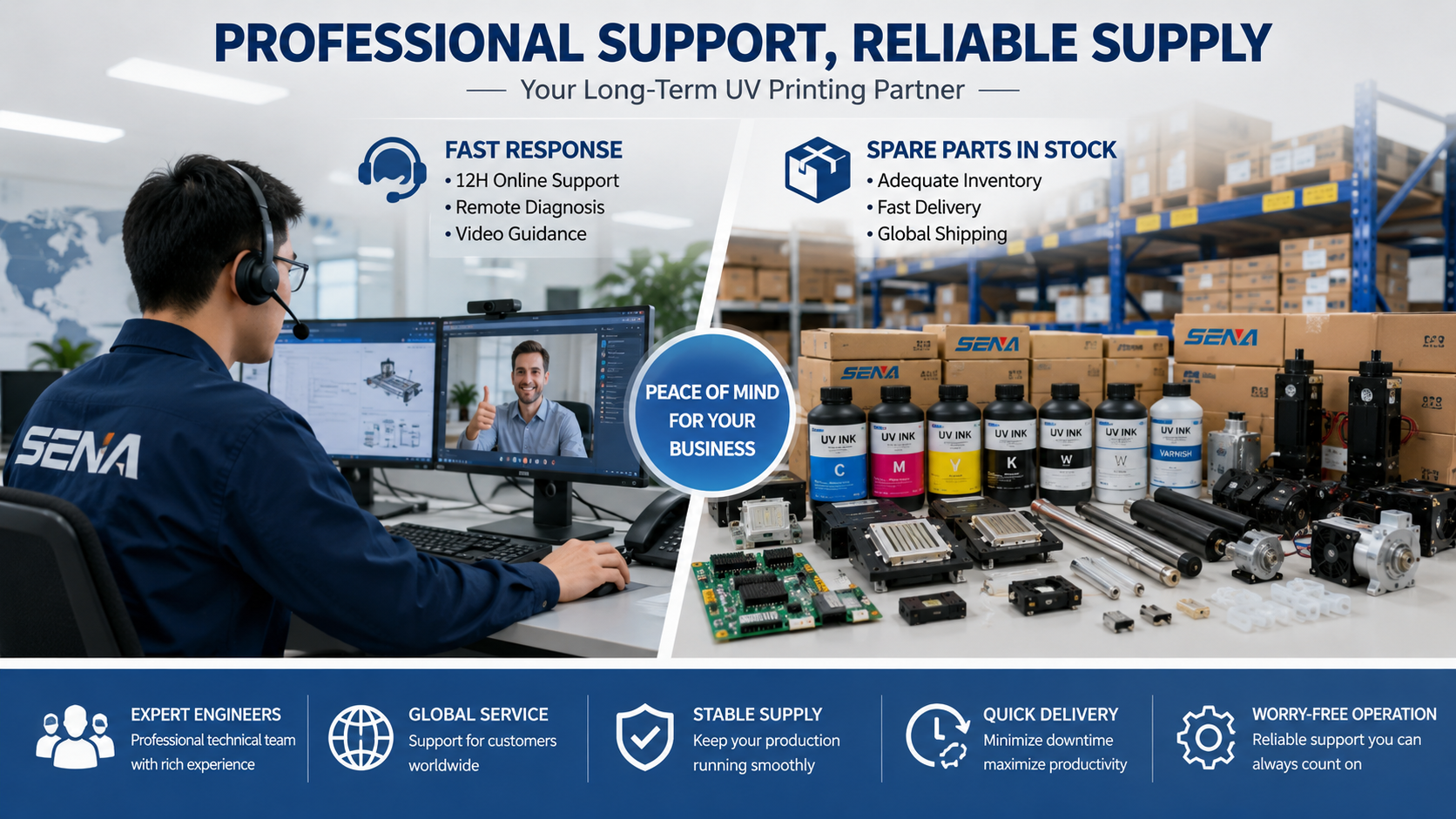
After-sales support is one of the most important factors in overseas UV printer purchasing. When a problem occurs, buyers need clear instructions and fast communication, especially during the first weeks of installation and operation.
Before ordering, confirm whether the supplier has dedicated technical engineers and which communication channels are available. Common support methods include video calls, remote computer assistance, operating videos, maintenance manuals and instant messaging.
Buyers should ask how quickly technical questions are normally answered and whether support is available across different time zones. It is also useful to understand whether the salesperson handles technical problems directly or transfers them to a professional engineer.
A reliable supplier should provide installation guidance, software setup, color management assistance, operator training and troubleshooting procedures. Fast and professional support can reduce downtime and help new operators become productive more quickly.
6. Check Spare Parts and Consumables Availability
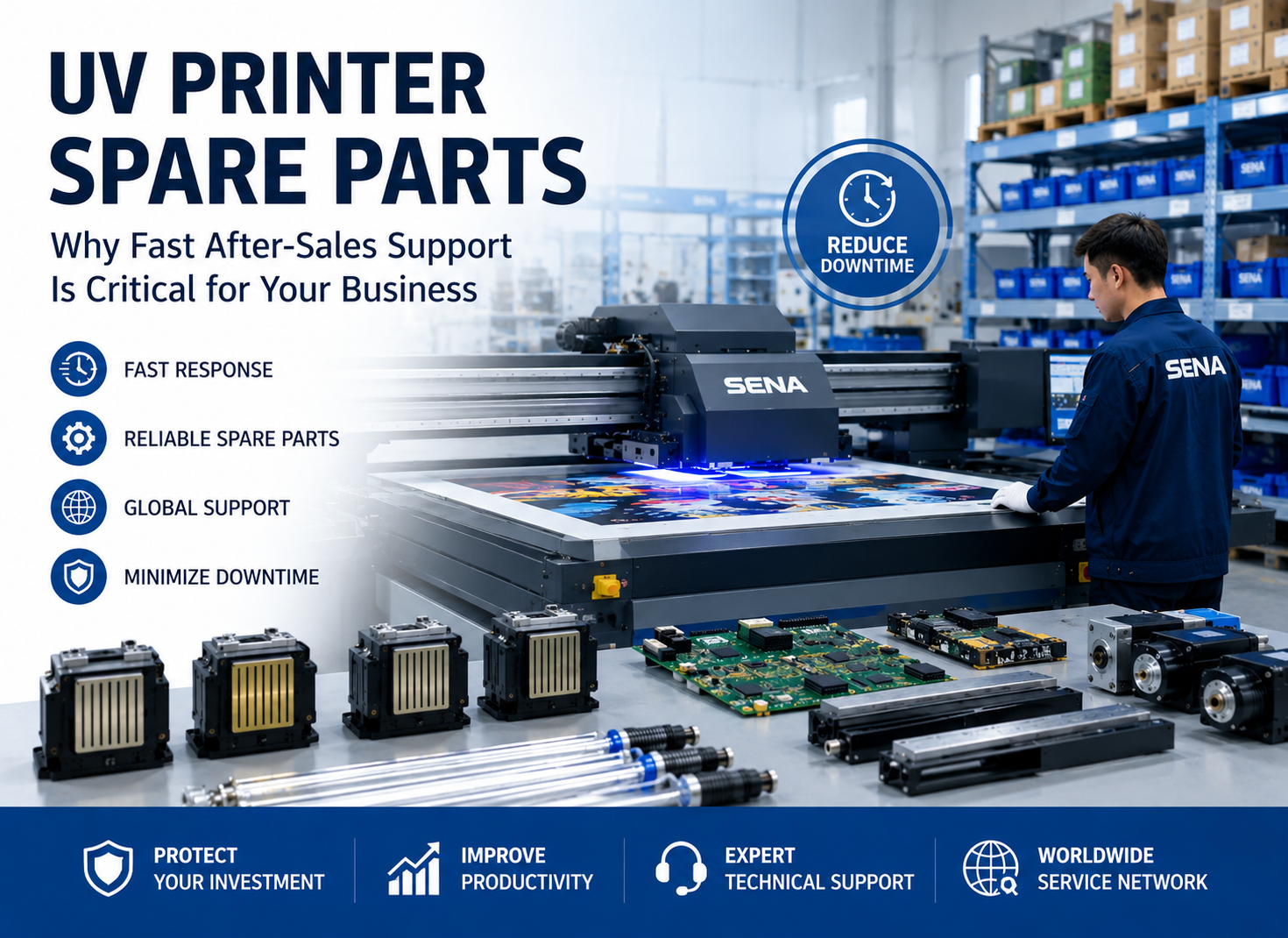
UV printers require long-term access to ink, filters, dampers, UV lamps, sensors, control boards, motors and printhead-related components. If a critical part is not available, the machine may remain idle while the buyer waits for international delivery.
Ask the supplier which parts are considered consumables, which components are commonly replaced and whether these items are kept in stock. Prices and expected delivery times should also be confirmed before purchase.
For overseas customers, it is often practical to purchase a basic spare parts package together with the machine. This may include filters, dampers, cleaning materials, ink tubes, sensors and other frequently used items.
Buyers should also confirm whether the printer requires special ink or accessories that can only be purchased from one supplier. A clear long-term supply plan helps avoid unexpected operating costs and production interruptions.
7. Review Certifications and Export Documents
Certification and import requirements vary between countries. Before confirming the order, buyers should check local regulations for electrical equipment, safety standards, voltage, frequency, plug type and customs documents.
Ask the supplier whether the machine can be configured for the required power supply and whether relevant certification documents, such as CE documentation, are available. Buyers should also confirm whether the machine name, model and company information on the documents match the actual equipment.
The supplier should be able to provide a commercial invoice, packing list and other necessary shipping information. Incorrect or incomplete documents can cause customs delays, extra charges or import restrictions.
Buyers should confirm these requirements before production begins, rather than waiting until the machine is ready to ship.
8. Ask for a Clear and Complete Quotation
A low machine price does not always mean a low total investment. Some quotations exclude essential accessories, software, ink, installation support, packaging or spare parts.
A professional quotation should clearly list the machine model, printhead configuration, ink colors, printing size, included software, standard accessories, spare parts, warranty terms, packaging method and delivery conditions.
Buyers should ask whether the quotation includes ink, coating liquid, rotary attachments, computer equipment, voltage transformers, training and shipping. Any optional item should be identified separately.
It is better to compare complete solutions rather than comparing only the machine price. A transparent quotation helps buyers understand the total cost of ownership and prevents unexpected expenses after the order is confirmed.
UV Printer Supplier Verification Checklist
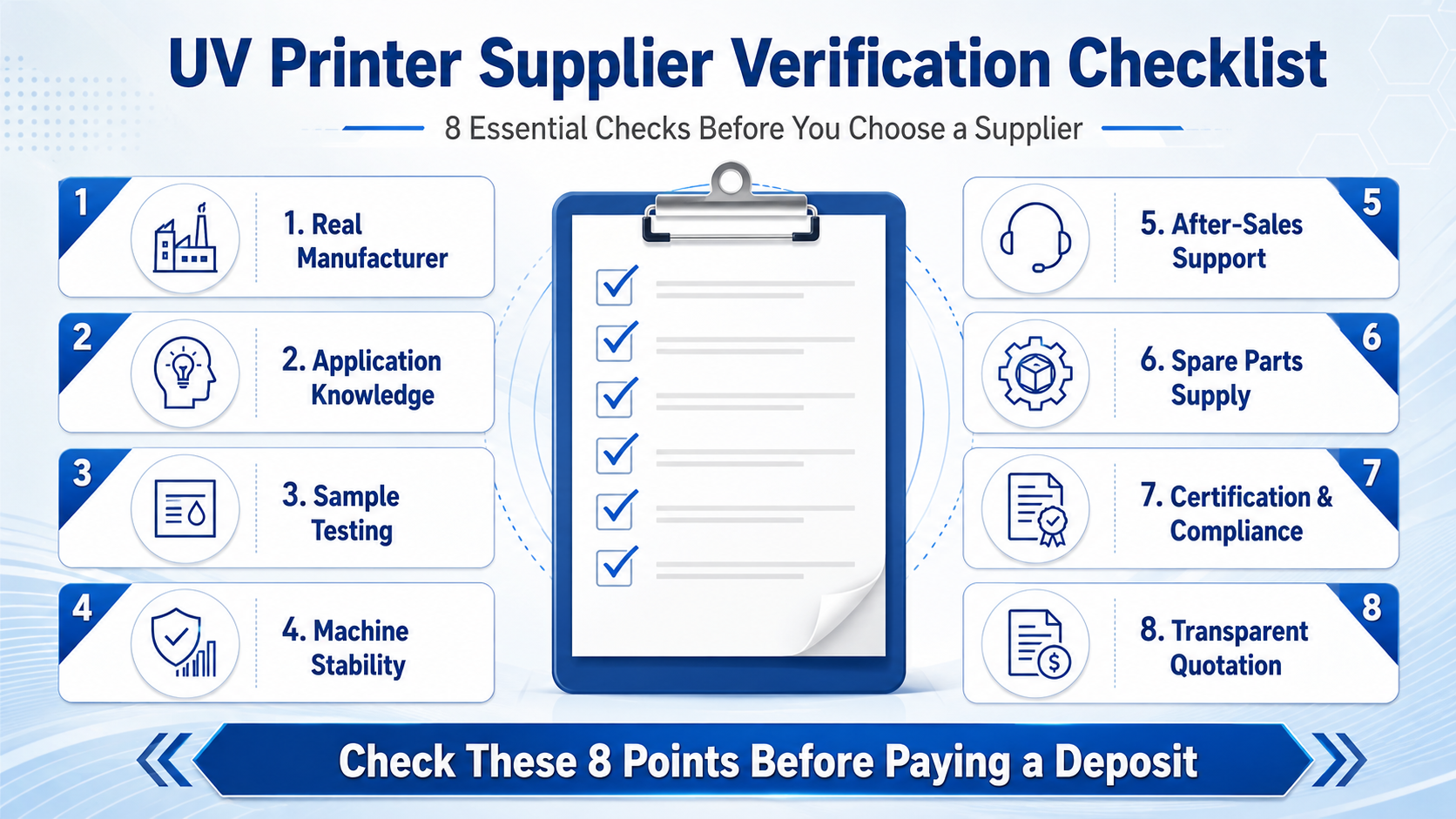
Before choosing a supplier, confirm the following points:
- Can the supplier prove that it is a real manufacturer?
- Does the supplier understand your printing material and application?
- Can the supplier test your actual samples?
- Can the supplier demonstrate stable, continuous printing?
- Is professional technical support available?
- Are spare parts and consumables kept in stock?
- Can the supplier provide the required certificates and export documents?
- Is the quotation complete, clear and transparent?
Warning Signs Buyers Should Not Ignore
Buyers should be cautious when a supplier avoids live factory inspections, refuses to test real materials, gives unclear answers about spare parts or cannot explain the machine configuration.
Other warning signs include quotations with missing details, unrealistic production claims, extremely low prices and promises that every material can be printed without surface treatment.
A trustworthy supplier should communicate both the advantages and the limitations of the proposed solution. Clear technical explanations are more valuable than exaggerated marketing promises.
Choose a Long-Term Partner, Not Just a Machine Seller
Purchasing a UV printer is not only a one-time equipment transaction. Buyers may need technical training, software support, spare parts, ink supply, maintenance guidance and application advice for many years.
A reliable UV printer supplier should provide professional machine selection, real sample testing, stable equipment, transparent pricing and responsive after-sales service. Completing these eight checks before payment can reduce purchasing risks and help buyers build a more stable production system.
Need Help Evaluating a UV Printing Solution?
Send SENA your printing material, maximum product size, required printing effect and expected production volume. Our team can recommend a suitable UV printer configuration, arrange sample testing and provide a complete quotation based on your actual application.