

 Japanese
  English
  Arabic
  German
  French
  Spanish
  Turkish
  Italian
  Russian
  Persian
  Bengali
  Hebrew
  Persian (Afghanistan)
  Scottish Gaelic
  Panjabi
  Croatian
  Slovenian
  Greek
Greek  Afrikaans
  Czech
Czech  Korean
  Portuguese





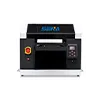
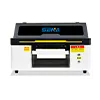
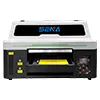
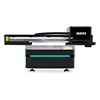
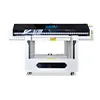
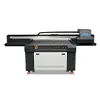
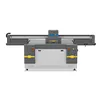
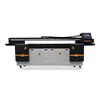
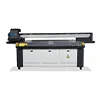
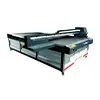
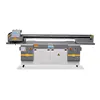
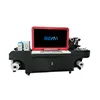
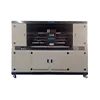
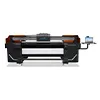
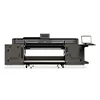

How a German Packaging Manufacturer Reduced Screen-Making Costs with UV Digital Printing
For packaging manufacturers, the most economical printing method often depends less on the size of the factory than on the structure of the orders. A production run of 10,000 identical packages is very different from an order containing 20 designs with only 50 pieces per design.
This difference became increasingly important for a German packaging manufacturer handling a growing number of short-run, multi-SKU and customized packaging orders. Traditional screen printing remained effective for many stable, high-volume jobs, but frequent artwork changes, repeated screen preparation, setup time and small-batch orders were increasing the effective cost of certain projects.
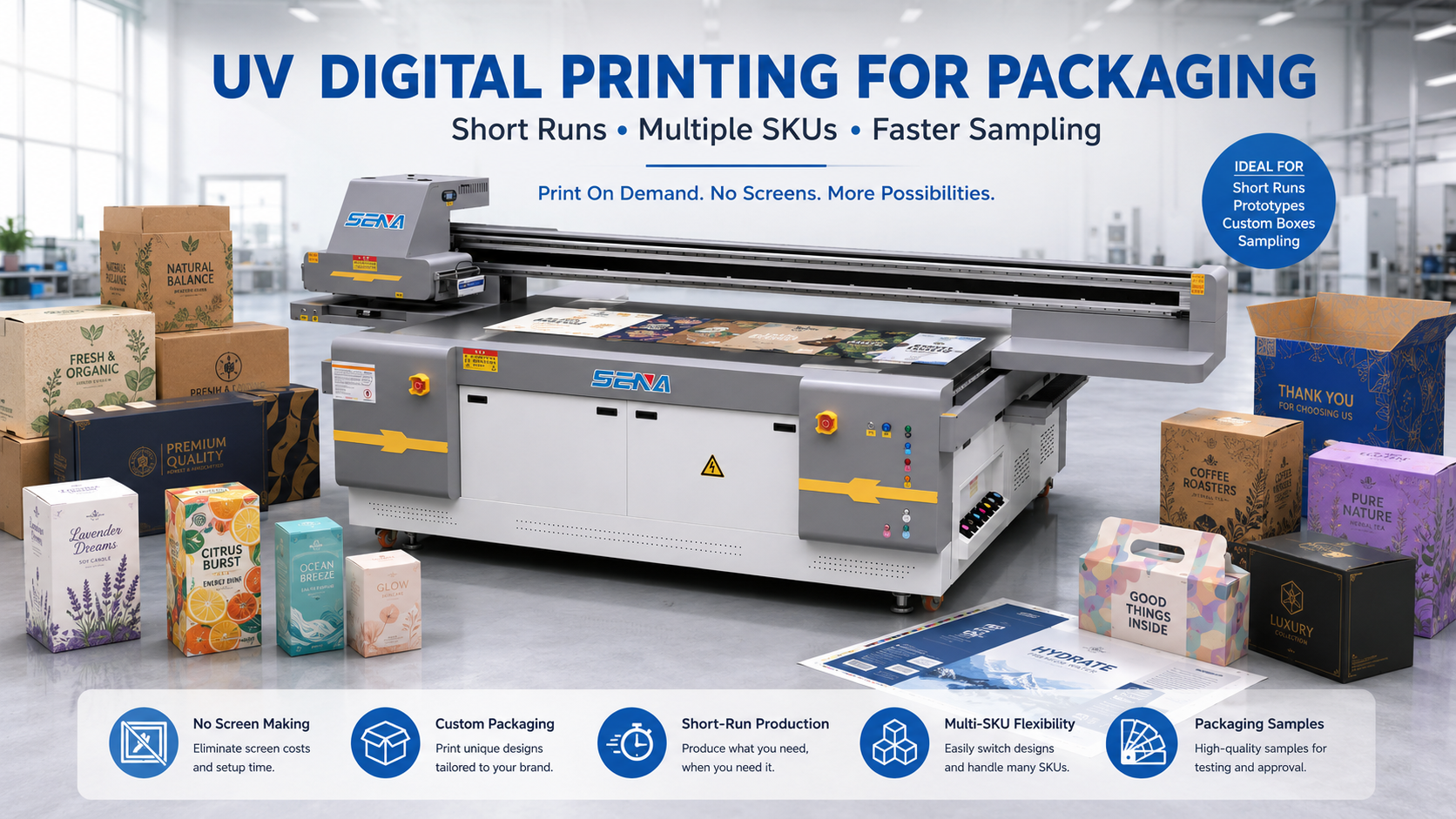
The company therefore introduced UV printing for packaging as an additional digital production method. The goal was not to eliminate screen printing completely. Instead, the factory wanted a more flexible workflow for prototypes, short runs, changing designs and packaging jobs where the cost of preparing a new screen was difficult to spread across a small quantity.
This customer case study explains why the factory added UV digital printing, which packaging materials were evaluated, how digital printing vs screen printing costs change with order quantity, and how other packaging companies can decide which technology makes more economic sense for their own production.
目次
- 1. Customer Background
- 2. Why Screen Printing Became Expensive for Certain Orders
- 3. Why the Factory Added UV Digital Printing
- 4. What Packaging Materials Were Tested?
- 5. UV Printing vs Screen Printing Cost Comparison
- 6. How to Calculate Annual Cost Savings
- 7. What Changed After UV Printing Was Introduced?
- 8. When Should Packaging Companies Keep Screen Printing?
- 9. When Does UV Printing Make More Sense?
- 10. Which Packaging Companies Should Consider a UV Packaging Printer?
- 11. What Should You Test Before Buying?
- 12. FAQ
1. Customer Background: A Packaging Manufacturer Facing More Short-Run Orders
1.1 Main Packaging Products
The manufacturer’s production includes different types of packaging and printed panels for commercial customers. Typical applications include corrugated boxes, coated paperboard, rigid gift packaging, promotional packaging, display panels, product presentation boxes and packaging prototypes.
These products may look similar from a printing perspective, but their production requirements can be very different. A large repeat order for one fixed design may favor a completely different process from a small promotional order containing several graphics.
1.2 Customer Industries
The factory serves customers requiring packaging for consumer products, promotional goods, electronics, retail products, industrial applications and other customized projects. Many of these customers increasingly request shorter lead times and more artwork variations.
Instead of ordering one design in a very large quantity, customers may request several product versions, regional graphics, promotional designs or different labels using the same basic packaging structure.
1.3 Increasing Demand for Short Runs and More SKUs
This change in order structure was one of the main reasons the company reviewed its printing workflow.
Traditional production may be very efficient when one design is repeated thousands of times. However, the economics change when the same total order quantity is divided across many SKUs.
For example, an order may require:
- 100 boxes for Product A
- 100 boxes for Product B
- 50 boxes for a promotional version
- 30 boxes for a regional campaign
- 20 boxes for a customer approval sample
The total quantity is still significant, but each design requires its own preparation. This is where short run packaging printing becomes a different cost problem from conventional high-volume production.
2. Why Screen Printing Became Expensive for Certain Orders
Screen printing was not considered an unsuitable technology. In fact, the factory continued to recognize its advantages for stable, repetitive and high-volume production.
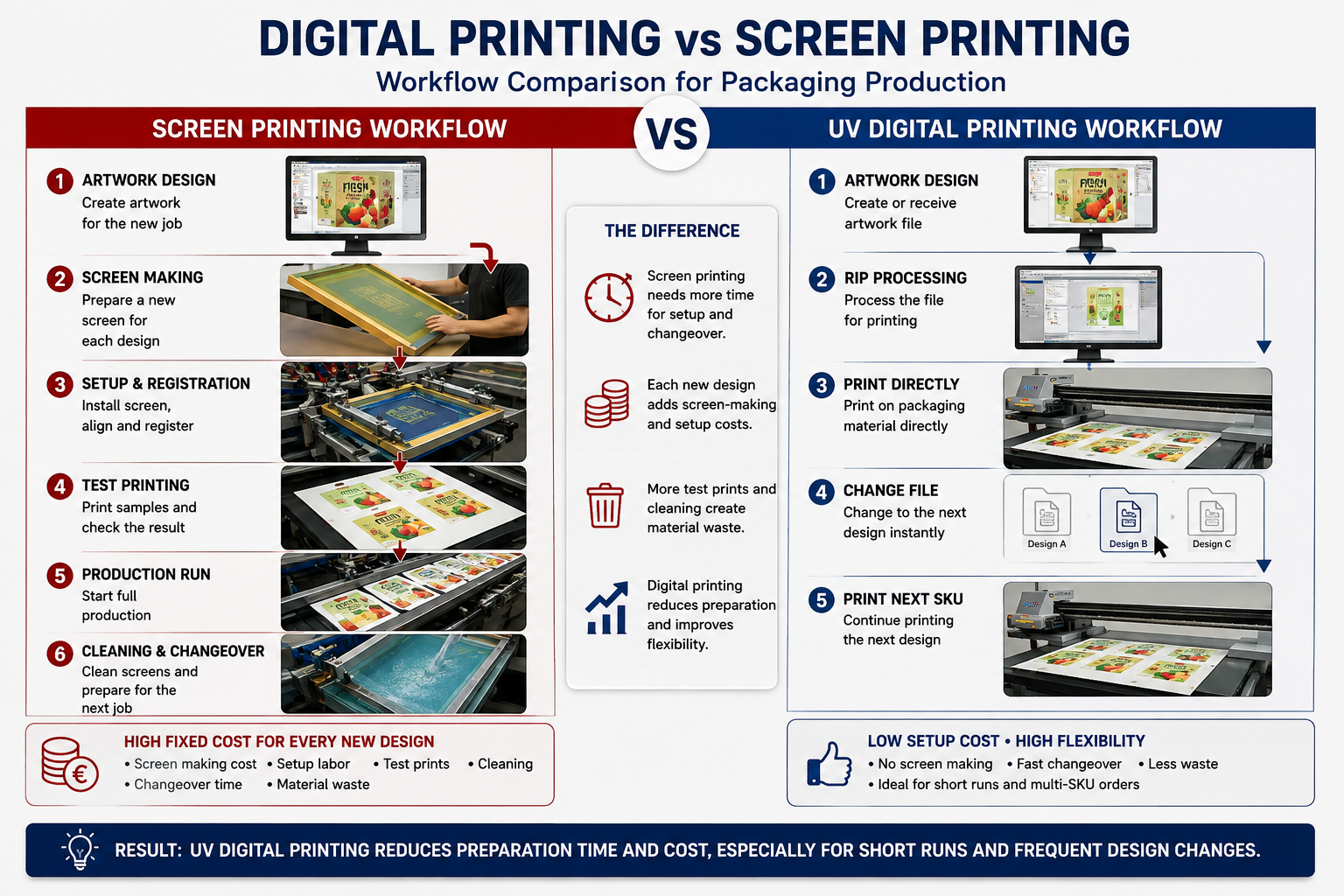
The problem was that screen printing contains several fixed preparation costs. When the order quantity becomes smaller or the number of designs increases, those fixed costs are divided across fewer finished pieces.
2.1 Screen-Making Cost for Every Design
A new artwork may require screen preparation, exposure, registration, setup, test printing, cleaning and handling. Depending on the job, additional colors can add further preparation requirements.
If the factory prints thousands of identical pieces, that preparation cost can be spread across the entire production run. If only 20 or 50 pieces are required, the same preparation work has a much greater influence on the final cost per package.
This is why companies comparing UV printing vs screen printing cost should separate variable printing cost from fixed job setup cost.
2.2 Setup and Changeover Time Between Jobs
Changing from one packaging design to another also consumes production time.
The operator may need to remove the previous setup, prepare a new screen, adjust registration, test the new artwork and clean equipment between jobs. Individually, each step may appear manageable. Across dozens of short orders every week, however, the accumulated labor becomes significant.
Production time spent preparing a job is time during which the machine is not producing sellable packaging.
2.3 Minimum Order Quantity Pressure
When setup represents a large percentage of the total order cost, packaging companies may be forced to increase minimum order quantities or charge customers more for short runs.
This can make certain orders difficult to accept, including:
- パッケージプロトタイプ
- Startup brand orders
- Seasonal packaging
- Limited promotional campaigns
- Small product launches
- Regional packaging versions
- Multiple low-volume SKUs
A flexible digital workflow can therefore influence not only manufacturing cost but also which customer orders a factory is able to accept profitably.
2.4 The Cost of Design Changes
Packaging artwork often changes during the approval process. A customer may change a logo, product name, warning message, barcode, color or promotional statement after seeing the first sample.
With a conventional screen-based process, artwork changes may require additional preparation. With digital production, many changes can be handled by updating the source file, processing the revised artwork and printing another sample.
This difference is especially valuable during product development and approval.
2.5 A Simple Screen-Printing Cost Formula
A useful way to evaluate the problem is to calculate all screen-related costs instead of considering only ink consumption.
Total Screen-Related Cost =
Screen Preparation + Setup Labor + Changeover + Cleaning + Test Printing + Material Waste
The effective production cost per package can then be expressed as:
Cost per Piece = Total Job Cost ÷ Finished Order Quantity
The lower the order quantity, the more important fixed preparation costs become.
3. Why the Factory Added UV Digital Printing
The factory’s solution was not to remove screen printing from production. Instead, it added a digital process for jobs where frequent design changes and short quantities made screen preparation less economical.
3.1 No Printing Screens for Digital Jobs
A major advantage of digital UV production is that the artwork can move from a digital file to RIP processing and then to printing without creating a separate physical screen for each new design.
The basic workflow becomes:
Artwork → RIP Processing → Print → Change File → Print Next Design
これにより packaging printing without plates or screens particularly useful when many designs are produced in relatively small quantities.
3.2 Easier Production of Variable Designs
One packaging format may be used for several models, flavors, sizes, regions or promotional versions. With digital production, the operator can change the graphic file without rebuilding the complete physical printing setup for every variation.
This is one reason a UV packaging printer can be valuable for multi-SKU production.
3.3 Faster Sampling and Prototyping
Packaging prototypes are another strong digital application.
A typical approval cycle may include:
Design → Sample → Customer Feedback → Artwork Revision → New Sample
When each revision requires additional physical preparation, the sampling process becomes slower and more expensive. Digital printing makes revised samples easier to produce, allowing customers to evaluate color, graphics, text placement and branding before larger-scale production begins.
3.4 More Practical Small-Batch Production
For short-run packaging, the reduction in job preparation can improve the economics of small orders.
This does not mean every digitally printed piece is automatically cheaper. UV ink, labor, maintenance, electricity and machine depreciation still have to be calculated. The advantage is that the factory can reduce some of the fixed preparation costs associated with changing from one design to another.
4. What Packaging Materials Were Tested?
Before introducing a new process into production, packaging manufacturers should test their actual materials. UV printing performance can vary significantly depending on surface coating, texture, flatness, color and material composition.
4.1 Corrugated Cardboard
Corrugated board is widely used for transport packaging, retail packaging, displays and customized boxes. A suitable UV printer can print graphics directly onto many types of board, making UV printing on cardboard particularly attractive for samples and short-run orders.
However, board quality matters. Surface roughness, warping and absorbency can influence detail quality and ink appearance. Buyers should test the exact board used in normal production rather than assuming all corrugated materials behave the same way.
For a more detailed discussion of cardboard applications, see our UV printing on cardboard and corrugated packaging guide.
4.2 Coated Paperboard
Coated paperboard can produce attractive color results, but adhesion should always be tested. Different coatings may react differently with UV-curable ink.
A surface that looks almost identical to another material may have different surface energy or coating chemistry. Cleaning, pretreatment or a suitable primer may be required in some applications.
4.3 Rigid Packaging
Rigid packaging panels, gift boxes and presentation packaging are useful applications for digital customization, especially when buyers need premium graphics in limited quantities.
UV digital printing can also be useful for sample development before a high-volume process is selected.
4.4 Promotional Packaging Panels
Promotional packaging often has a short market life. Designs may be created for a campaign, exhibition, product launch or seasonal event and then replaced quickly.
For these orders, avoiding repeated screen preparation can be more valuable than optimizing the absolute lowest possible cost for one fixed design.
4.5 Four Things to Test Before Production
Regardless of the packaging material, four factors should be checked before commercial production:
- Surface preparation: Determine whether cleaning or pretreatment is required.
- 接着力: Confirm that cured ink bonds adequately to the substrate.
- Ink coverage: Evaluate whether the required design uses light graphics or heavy full-surface coverage.
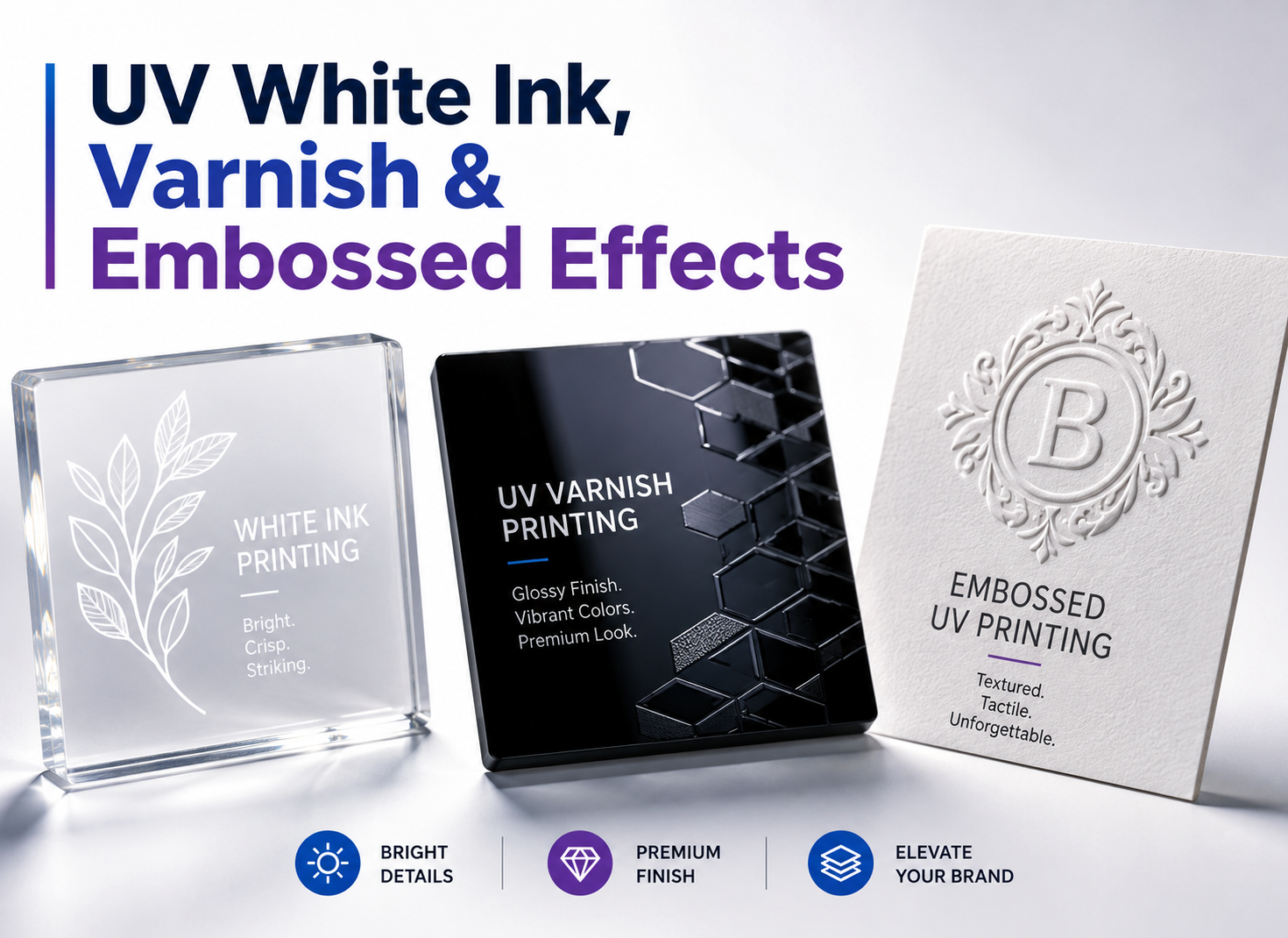
- White ink: Determine whether white ink is needed for colored, transparent or specialty packaging materials.
5. UV Printing vs Screen Printing Cost Comparison
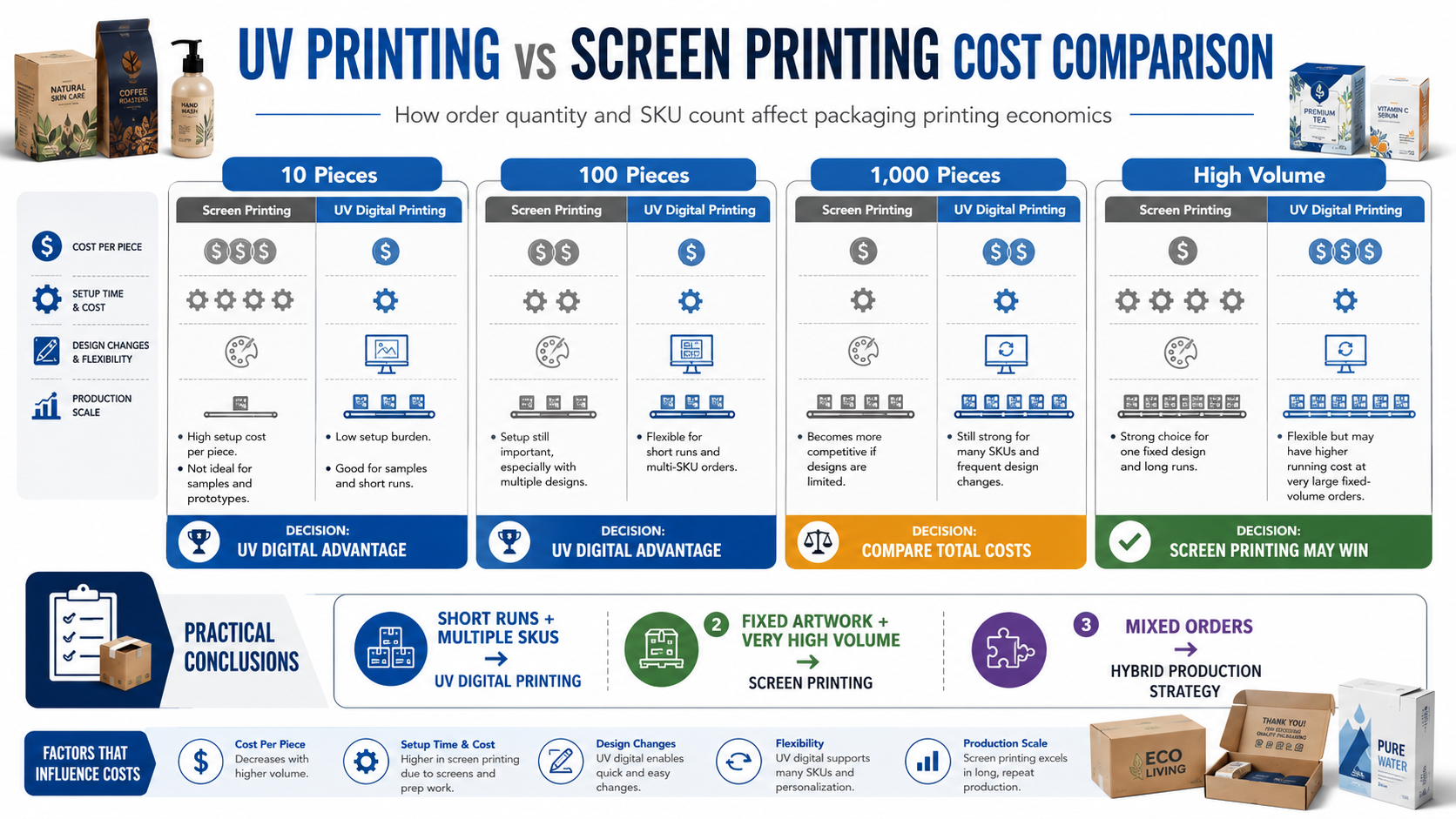
There is no single order quantity at which digital printing automatically becomes cheaper or more expensive than screen printing. The crossover point depends on artwork complexity, number of designs, ink coverage, substrate, labor, machine speed and local operating costs.
However, several general patterns can help packaging companies make a first evaluation.
5.1 10 Pieces
For an order of only 10 pieces, fixed preparation cost can dominate the economics of screen printing.
Digital UV printing is often attractive for:
- パッケージプロトタイプ
- Sales samples
- Customer approval samples
- Photography samples
- One-off promotional designs
The ability to print directly from a revised digital file is particularly valuable when several sample rounds are expected.
5.2 100 Pieces
At approximately 100 pieces, UV digital printing can remain competitive, especially when the order contains several graphics.
An order for 100 identical packages should be evaluated differently from an order containing five designs with 20 pieces each. In the second case, repeated setup requirements can increase the effective cost of screen printing.
5.3 1,000 Pieces
At 1,000 pieces, there is no universal winner.
A factory should calculate:
- Number of designs
- Number of colors
- Ink coverage
- Digital printing speed
- Screen preparation cost
- Operator labor
- Material waste
- Changeover frequency
One design repeated 1,000 times may favor a different process from 20 designs with 50 pieces each.
5.4 High-Volume Production
When one stable design is produced in very high volume, screen printing may still provide an excellent cost structure. The initial setup can be distributed across thousands of pieces, while an optimized production line can operate efficiently for long runs.
This is why the correct comparison is not simply digital printing vs screen printing. The correct question is which technology matches the structure of the individual order.
5.5 Order Quantity Comparison Table
| Order Scenario | スクリーン印刷 | UV Digital Printing | Likely Better Fit |
|---|---|---|---|
| 10 pcs / 1 design | High setup cost per piece | Low design-change preparation | UV Digital |
| 100 pcs / multiple designs | Repeated setup may be required | Files can be changed efficiently | UV Digital |
| 1,000 pcs / many SKUs | Preparation rises with design count | Flexible, but ink and machine cost matter | Calculate Both |
| High volume / one fixed design | Setup cost spread across large volume | Digital ink cost continues per piece | Screen Printing May Win |
| Prototype | Screen preparation required | Direct from digital artwork | UV Digital |
| Personalized packaging | Complex for frequent changes | High artwork flexibility | UV Digital |
This table is a general production guide only. Actual economics depend on material, artwork, ink coverage, equipment configuration, labor cost and production speed.
6. How to Calculate Annual Cost Savings
A packaging company should not estimate ROI using only one successful short-run order. The better approach is to calculate annual production data.
6.1 Annual Screen Costs
Start by identifying how many new screens are prepared during a typical year and the average cost associated with each screen.
Annual Screen Cost = Number of New Screens × Average Cost per Screen
6.2 Setup Labor
Next, calculate the labor used for screen preparation, registration, job changeover and cleaning.
Annual Setup Labor Cost = Annual Setup Hours × Labor Cost per Hour
6.3 Test Prints and Wasted Samples
Material consumed during setup is another cost that is often underestimated.
Include:
- Test sheets
- Registration waste
- Rejected samples
- Material damaged during changeover
- Extra packaging printed to compensate for expected waste
6.4 UV Digital Printing Costs
UV digital printing also has operating costs and these should not be ignored.
A realistic calculation should include:
- CMYK ink consumption
- White ink consumption where required
- Cleaning ink or maintenance fluid
- Printhead maintenance
- Replacement parts
- Electricity
- Operator labor
- Machine depreciation
- Preventive maintenance
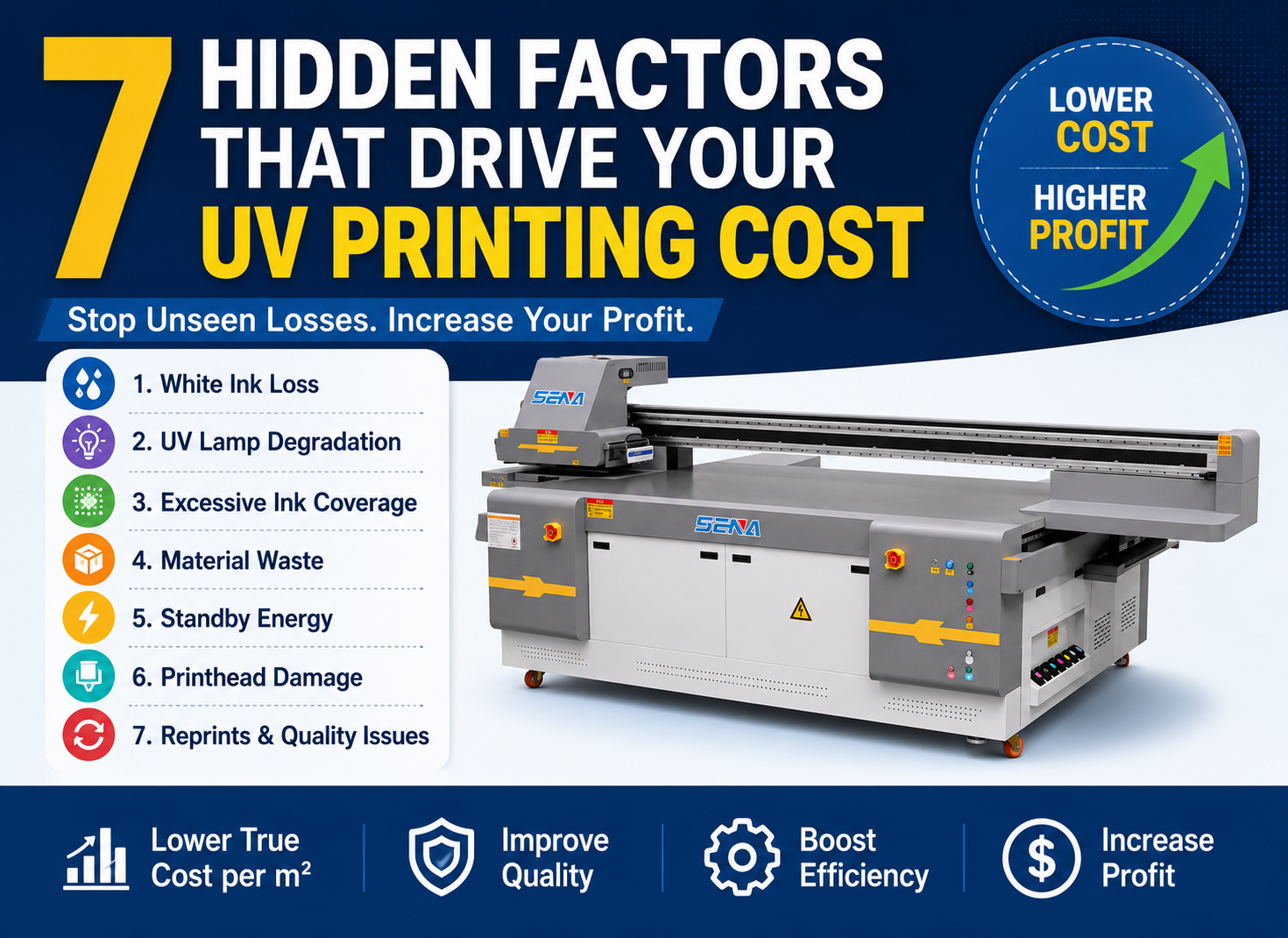
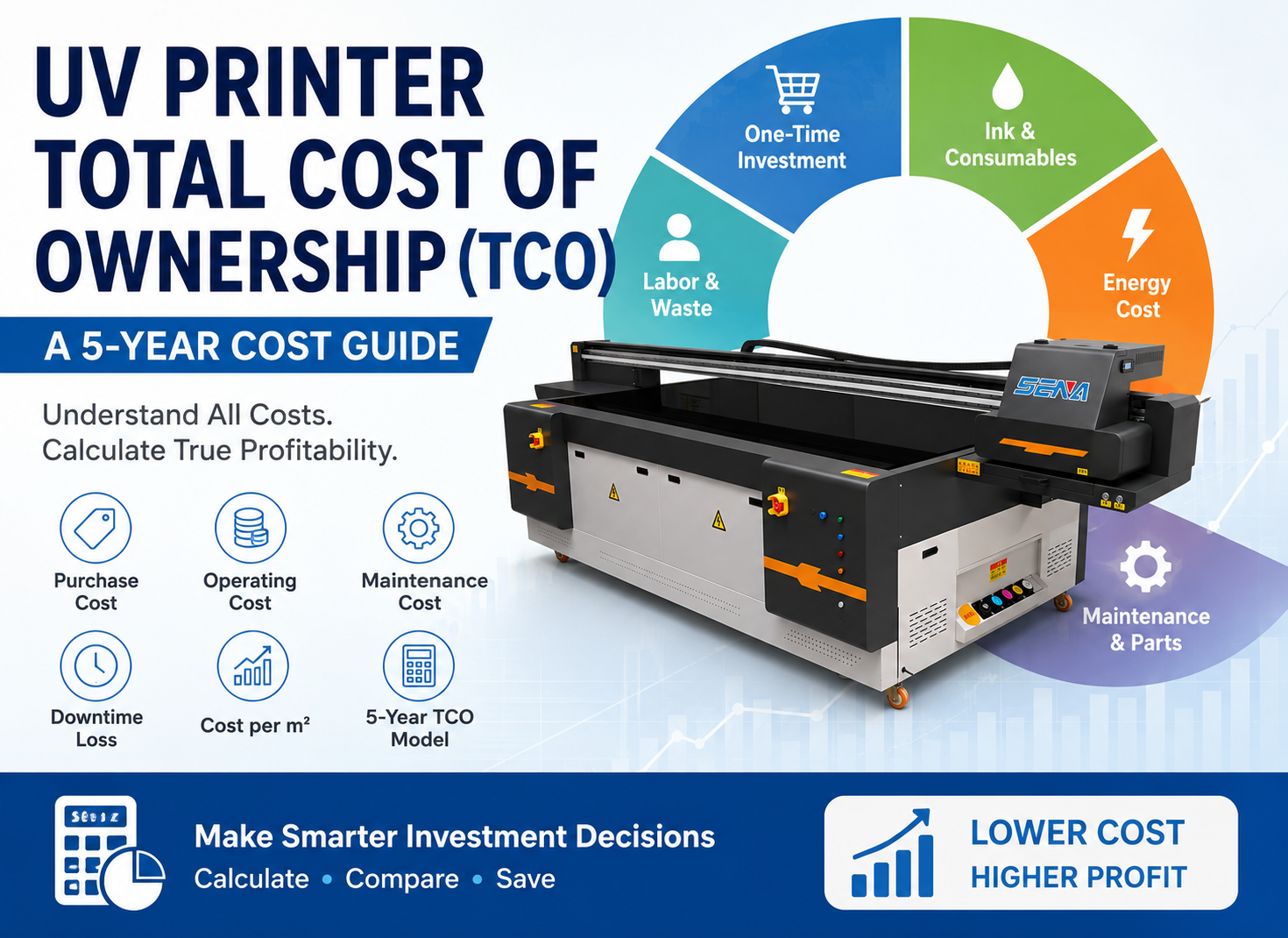
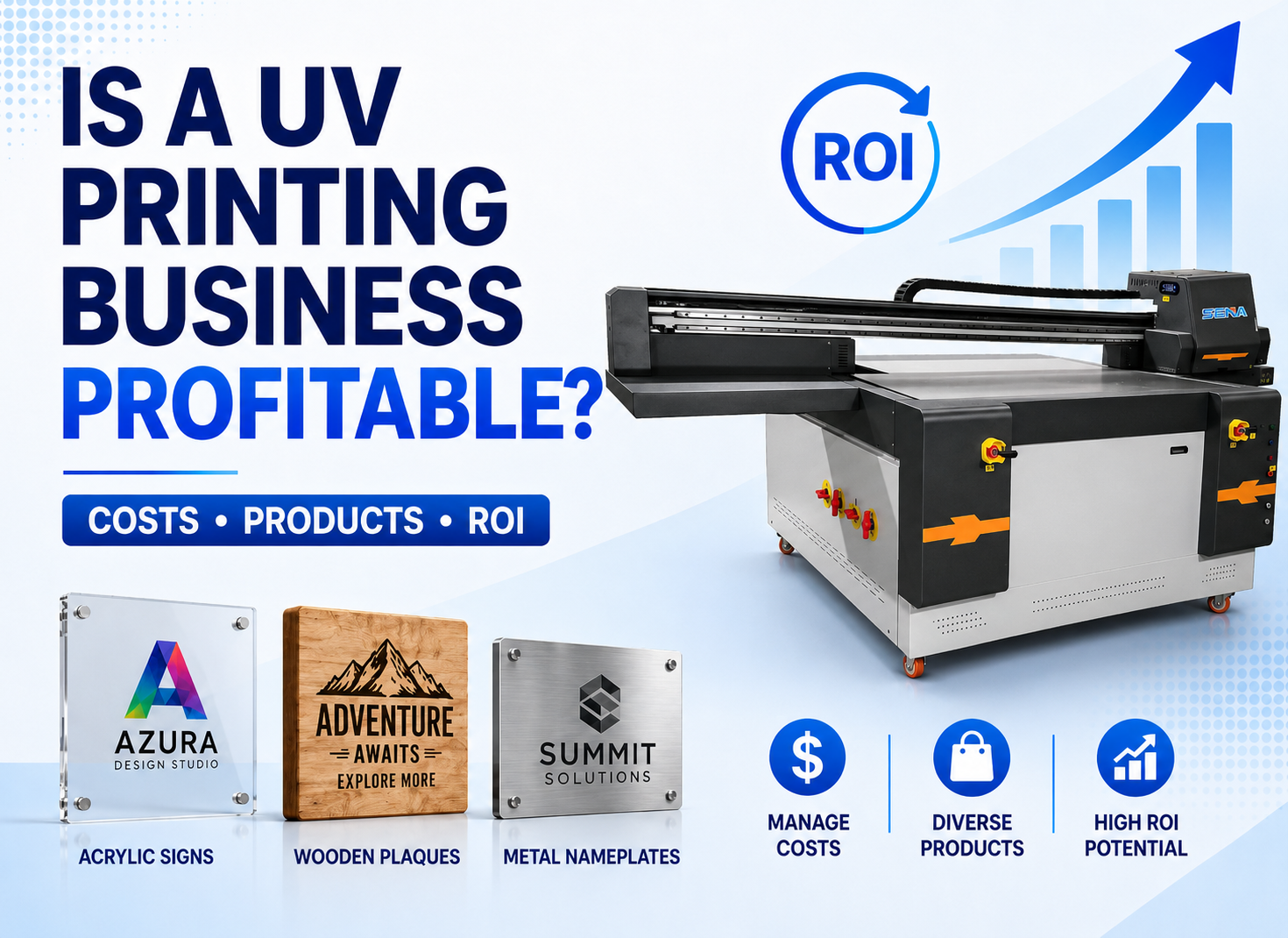
For a deeper analysis, see our guide to UV printing cost and profitability and our UV printer total cost of ownership guide.
6.5 Net Annual Savings
Net Annual Savings = Avoided Screen-Printing Costs − Additional UV Digital Printing Costs
This formula gives decision-makers a more useful result than simply comparing ink price per square meter.
If real customer production data later confirms a specific annual saving, that figure can be added to the case study. Until then, companies should calculate savings from their own screen count, labor cost, waste rate and digital printing requirements.
7. What Changed After UV Digital Printing Was Introduced?
7.1 Faster Prototype Approval
One of the clearest workflow benefits was the ability to produce revised samples without repeating the complete screen-making process for each artwork change.
The approval cycle became more digital:
Artwork → Print Sample → Customer Feedback → Edit File → Print Revised Sample
This is especially useful for packaging development, where several changes may occur before final approval.
7.2 Lower Practical MOQ
The company did not eliminate minimum order quantities entirely. Instead, small orders became more practical to quote because certain fixed preparation costs could be reduced.
This gave the factory greater flexibility when serving emerging brands, prototype projects and promotional campaigns.
7.3 More SKU Variations
The same packaging format can now support more artwork variations without requiring the same level of physical preparation for every design.
Typical variable elements may include:
- Product model
- Flavor or product type
- Language
- Regional information
- Promotional message
- Customer logo
- Seasonal graphics
7.4 Shorter Turnaround for Short Runs
For suitable short-run jobs, reducing screen preparation and changeover steps can shorten the time between approved artwork and finished production.
This does not mean UV printing is faster for every order. Very high-volume jobs may still be more efficient on an optimized conventional line. The advantage is strongest where job preparation represents a large percentage of total production time.
8. When Should Packaging Companies Keep Screen Printing?
A credible comparison must also recognize where screen printing remains strong.
Packaging companies should consider keeping screen printing when:
- One design is produced repeatedly in very high volume
- Artwork changes are rare
- The existing screen-printing process is already highly optimized
- Setup cost can be distributed across thousands of finished pieces
- A specific ink system or surface requirement favors screen printing
- Digital ink consumption would make the cost per piece too high
- Production speed for one fixed design is the main priority
In these situations, replacing a profitable screen-printing workflow simply because digital equipment is newer may not improve the business.
UV digital printing should not automatically replace every screen-printing job.
9. When Does UV Printing Make More Sense?
UV digital printing becomes more attractive when job complexity rather than pure volume is driving production cost.
Common indicators include:
- Low order quantities
- Many SKUs
- Frequent artwork changes
- パッケージプロトタイプ
- Customized graphics
- Personalized packaging
- Urgent orders
- Several short jobs every day
- Customers requiring rapid sample approval
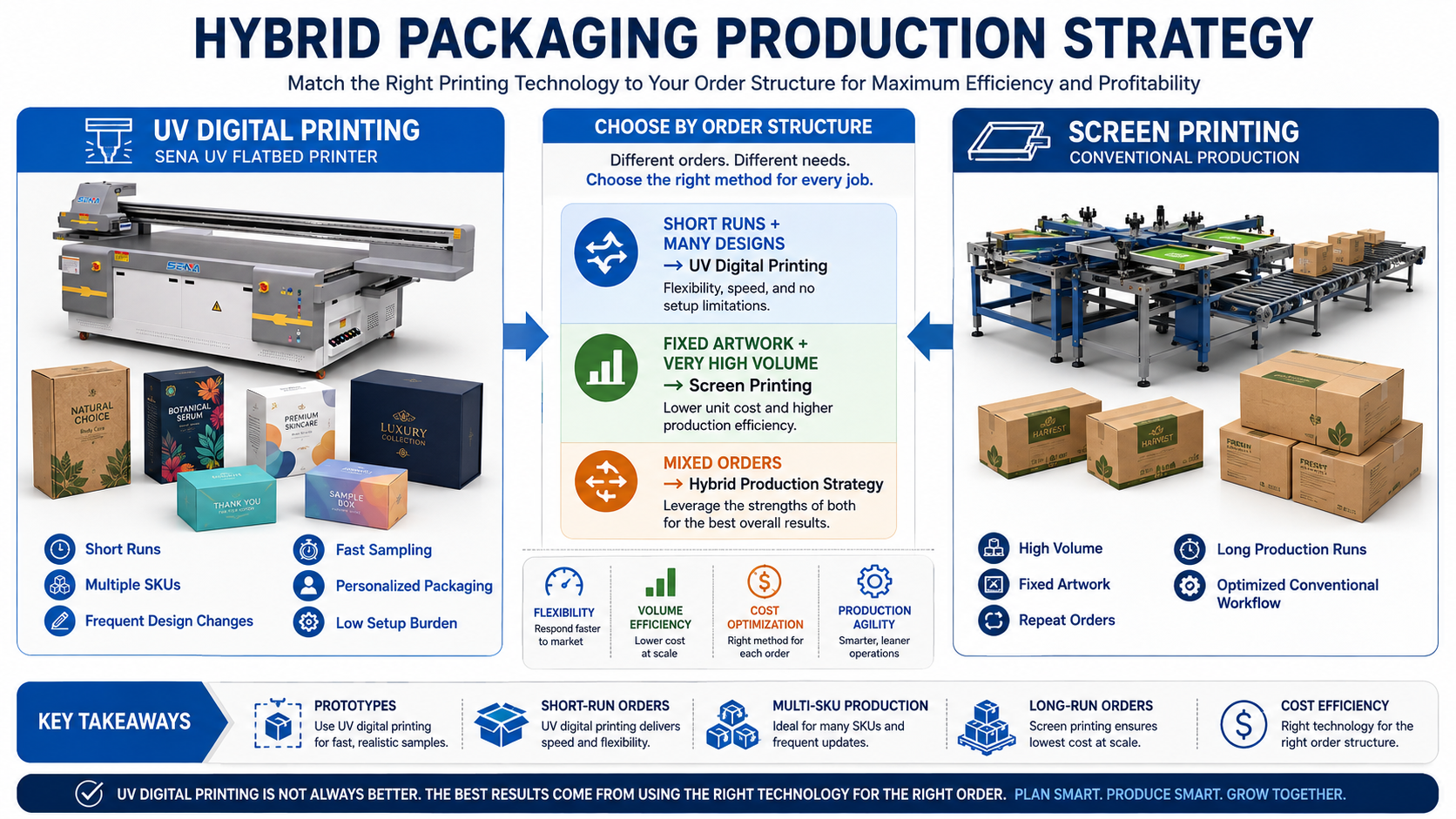
A simple decision framework is:
Few Designs + Very High Volume → Consider Screen Printing
Many Designs + Short Runs → Consider UV Digital Printing
Mixed Orders → Consider a Hybrid Production Strategy
For many established packaging companies, the third option can be the most practical. Screen printing handles stable high-volume work, while digital UV equipment handles short runs, prototypes and changing artwork.
10. Which Packaging Companies Should Consider a UV Packaging Printer?
あ UV printer for packaging business may be worth evaluating if your company regularly produces:
- Short-run custom packaging
- Corrugated box samples
- Rigid packaging prototypes
- Multiple SKU variations
- Seasonal packaging
- Promotional packaging
- Customized brand packaging
- Small-batch customer orders
The strongest signal is often not low volume alone. It is the combination of short runs + frequent design changes + repeated setup cost.
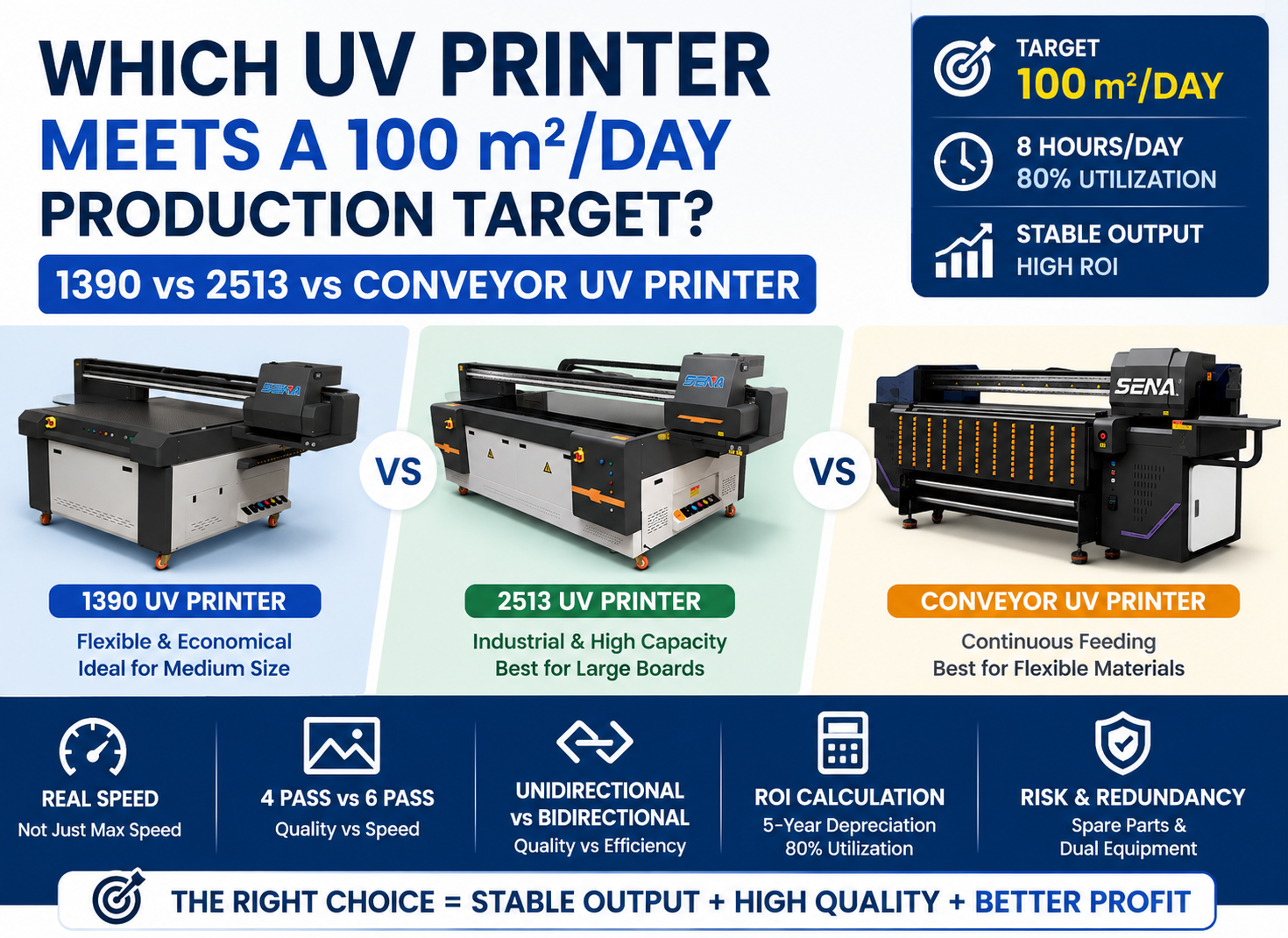
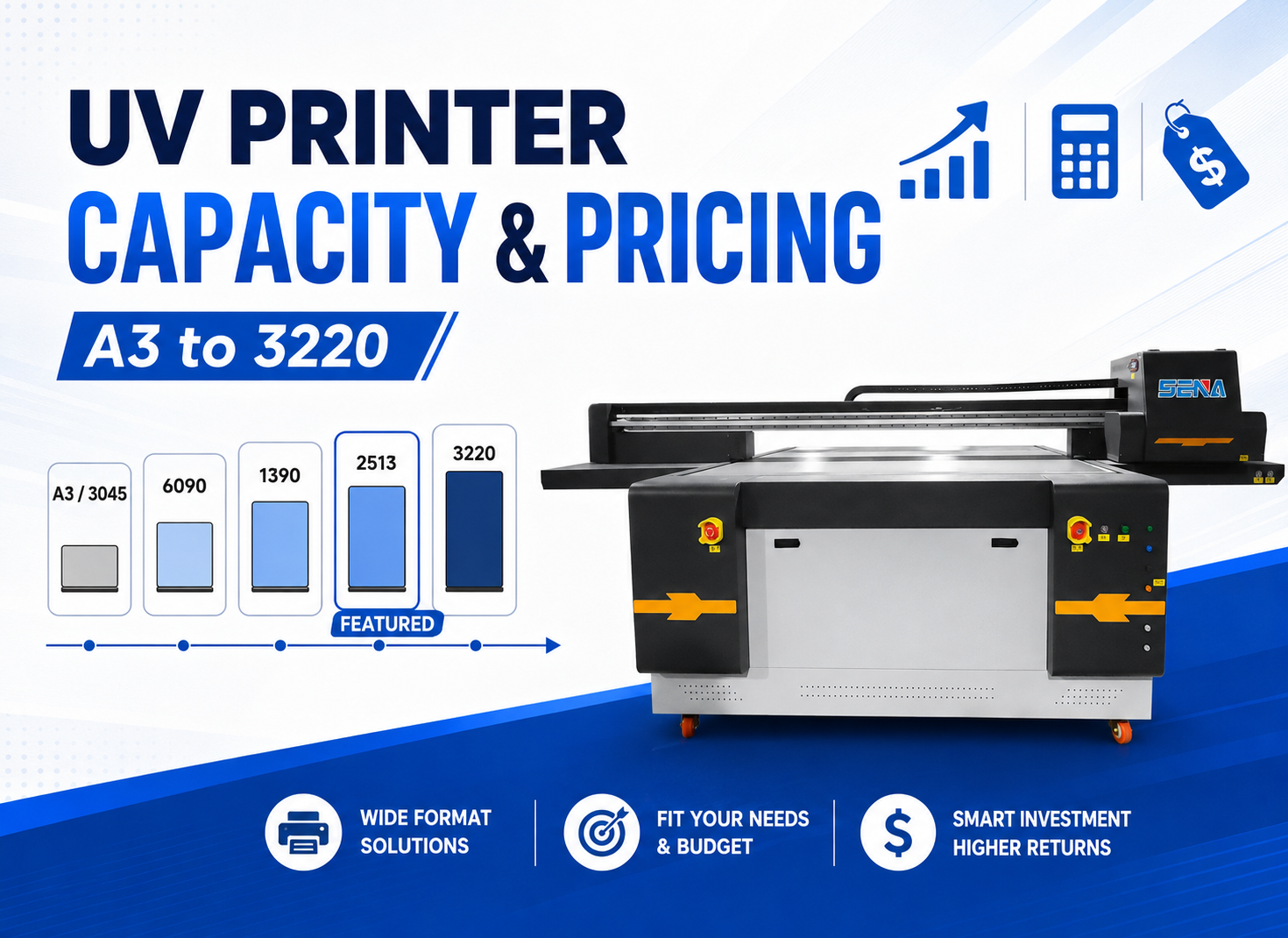
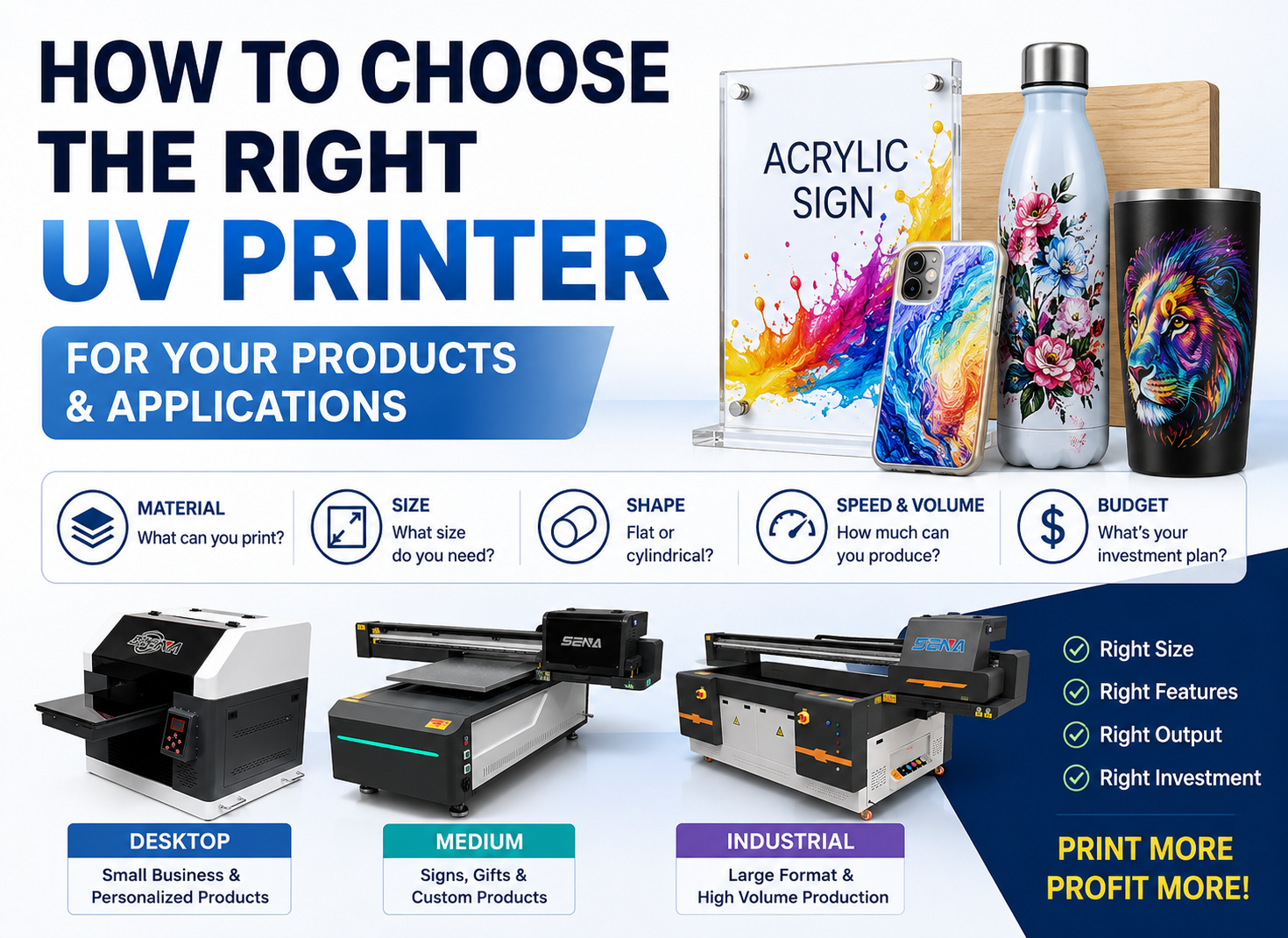
If you are unsure which machine size or configuration is suitable, see our guide to choosing the right UV printer.
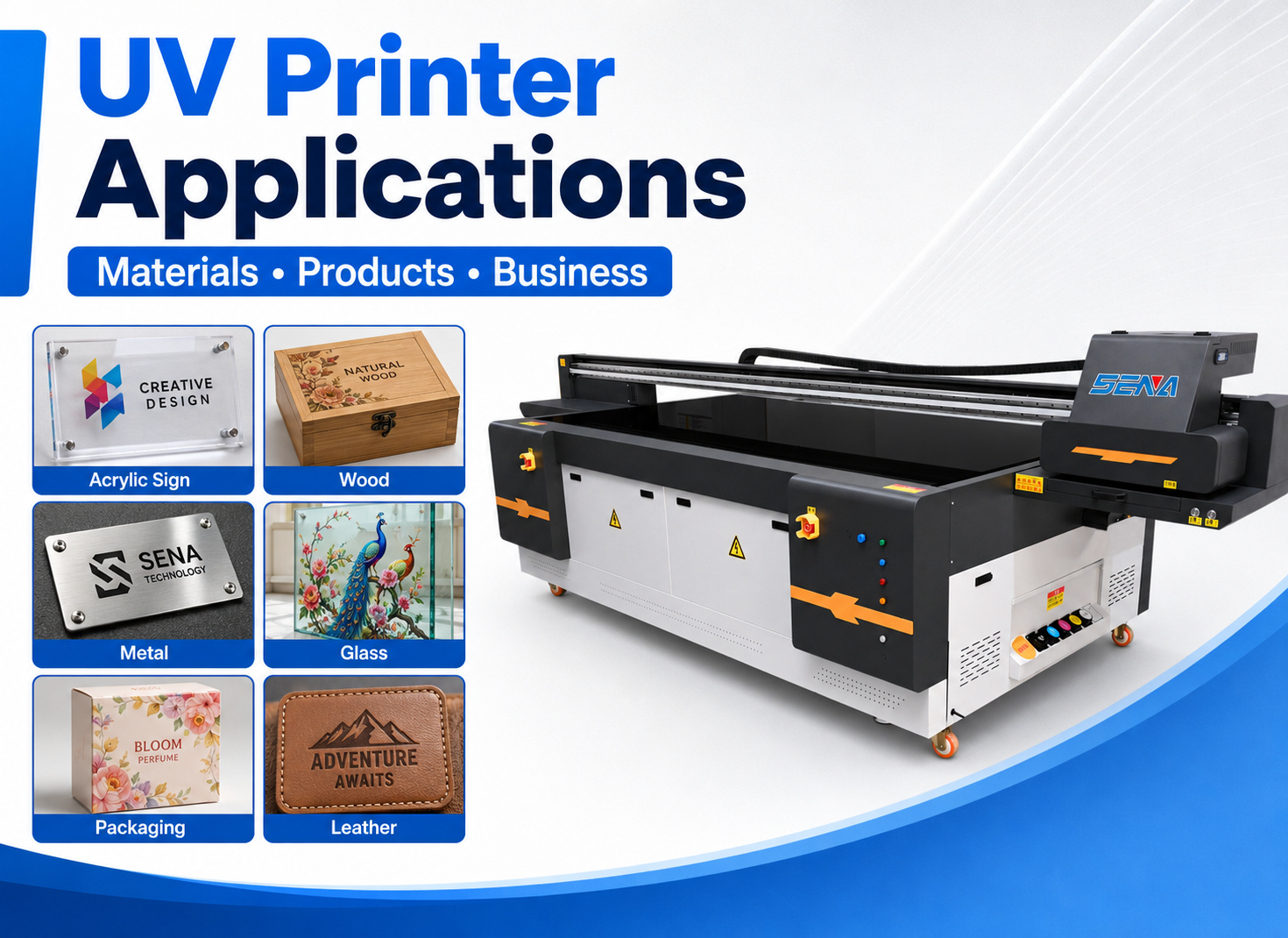
You can also explore more materials and business applications in our complete UV printer applications guide.
11. What Should You Test Before Buying a UV Packaging Printer?
Packaging companies should not select equipment based only on a manufacturer’s standard demonstration image. The most useful test is your own artwork printed on your own material.
11.1 Send Your Actual Cardboard or Packaging Material
Different coatings and surfaces can produce different adhesion, color and detail results. Whenever possible, test the material used in daily production.
11.2 Test Small Text and Barcodes
If your packaging includes ingredients, instructions, QR codes, barcodes or technical information, include these elements in the test file.
11.3 Test Brand Colors
Use real customer artwork to evaluate whether the production workflow can reproduce the colors required by your market.
11.4 Test White Ink Where Needed
If you print on colored, dark or specialty substrates, evaluate white-ink density, registration and curing.
11.5 Test Multiple SKU Files
Do not ask the supplier to print only one attractive design. Request several artwork versions to understand how quickly the workflow can move between SKUs.
11.6 Perform Adhesion and Scratch Tests
A visually attractive print is not useful if it does not meet the durability requirements of the finished package. Adhesion should be evaluated based on the real handling and use conditions of the product.
11.7 Evaluate Production Speed at the Required Quality
Ask for printing speed under the quality mode you would actually use in production. Maximum draft speed is not a meaningful purchasing metric if the result does not meet your customer’s quality standard.
For detailed machine specifications and configuration options, visit our UV packaging printer product page.
12. FAQ About UV Printing for Packaging
Is UV printing suitable for packaging?
Yes, UV printing can be used for many packaging applications, especially prototypes, rigid packaging, corrugated board, coated panels and short-run customized products. Material compatibility and adhesion should always be tested before mass production.
Can a UV printer print directly on cardboard?
Many UV flatbed printers can print directly on suitable cardboard and corrugated materials. Surface flatness, coating, absorbency and material thickness can affect the result, so sample testing is recommended.
Can UV printing be used for corrugated boxes?
Yes. A UV printer for corrugated boxes can be useful for customized graphics, samples, short runs and multiple SKUs. The printer configuration must support the size and thickness of the board being produced.
Is UV printing cheaper than screen printing?
Not always. UV digital printing often has an advantage when orders are short, artwork changes frequently or many SKUs are required. Screen printing may remain more economical for very high-volume production with one fixed design.
When is screen printing more economical?
Screen printing can be highly efficient when a large number of identical products are produced after one setup. As quantity increases, the fixed screen-making and setup costs are distributed across more finished pieces.
Does UV packaging printing require printing plates or screens?
Digital UV printing works directly from digital artwork and does not require a new physical screen for each graphic in the same way traditional screen printing does. This is one reason it is attractive for changing designs and small batches.
Is UV digital printing suitable for small-batch packaging?
Yes. Digital printing for small batch packaging is one of the strongest applications of UV technology because the digital workflow reduces some of the preparation associated with frequent design changes.
Does cardboard require pretreatment before UV printing?
It depends on the specific cardboard and surface coating. Some materials print successfully with basic cleaning, while others may require pretreatment or a suitable primer. Adhesion testing should always be performed before production.
Can a UV printer use white ink on packaging?
Yes, many UV flatbed printers support white ink. White can be useful on dark, colored or specialty substrates where CMYK colors alone do not provide sufficient opacity.
How do I calculate the ROI of a UV packaging printer?
Calculate the annual screen-making cost, setup labor, material waste and outsourced digital production that could potentially be avoided. Then subtract UV ink, maintenance, labor, depreciation, electricity and other operating costs. ROI should be based on your actual order mix rather than maximum machine speed alone.
Conclusion: Choose the Printing Method Based on Order Structure
The main lesson from this German packaging production case is not that UV digital printing is universally better than screen printing. The two technologies have different cost structures and can serve different types of orders.
Screen printing remains highly competitive for fixed artwork and high-volume production. In contrast, UV printing for packaging becomes particularly valuable when manufacturers handle short runs, multiple SKUs, frequent artwork revisions, packaging prototypes and customized orders.
For companies producing both types of work, a hybrid strategy may provide the greatest flexibility: use screen printing where long-run economics are strongest and digital UV printing where setup costs and design changes are reducing profitability.
If your company is evaluating a UV packaging printer, send us your packaging material, product dimensions, artwork, typical order quantity, number of SKUs and expected daily production. Our team can evaluate the application, recommend a suitable configuration and arrange a sample printing test before you make a purchasing decision.