

 French
  English
  Arabic
  German
  Spanish
  Turkish
  Italian
  Russian
  Persian
  Bengali
  Hebrew
  Persian (Afghanistan)
  Scottish Gaelic
  Panjabi
  Croatian
  Slovenian
  Greek
Greek  Afrikaans
  Czech
Czech  Korean
  Japanese
  Portuguese





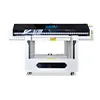
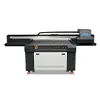
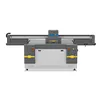
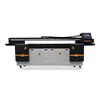
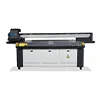
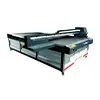
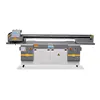
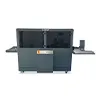
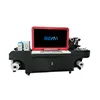

UV Printer Power Requirements by Country: Voltage, Frequency, Plug and Installation Guide
Buying a Imprimante UV for an overseas workshop is not as simple as asking, “Is this machine 110V or 220V?” The correct UV printer power requirements depend on the machine itself, the electrical supply available at the installation site, and the way the final circuit is designed. A printer that is suitable for one factory in the United States may need a different configuration for another factory in the same country.
This guide explains UV printer voltage, 50Hz vs 60Hz, single-phase vs three-phase power, breaker capacity, grounding, cable sizing, plugs, sockets, voltage stabilizers, and the information you should confirm with your supplier before production and shipment.
Key principle: Country Voltage ≠ Printer Voltage ≠ Factory Power Configuration.
A country’s common mains voltage is only the starting point. The final installation must match the printer nameplate, total load, phase, current, breaker, cable, protective grounding, and connection method.
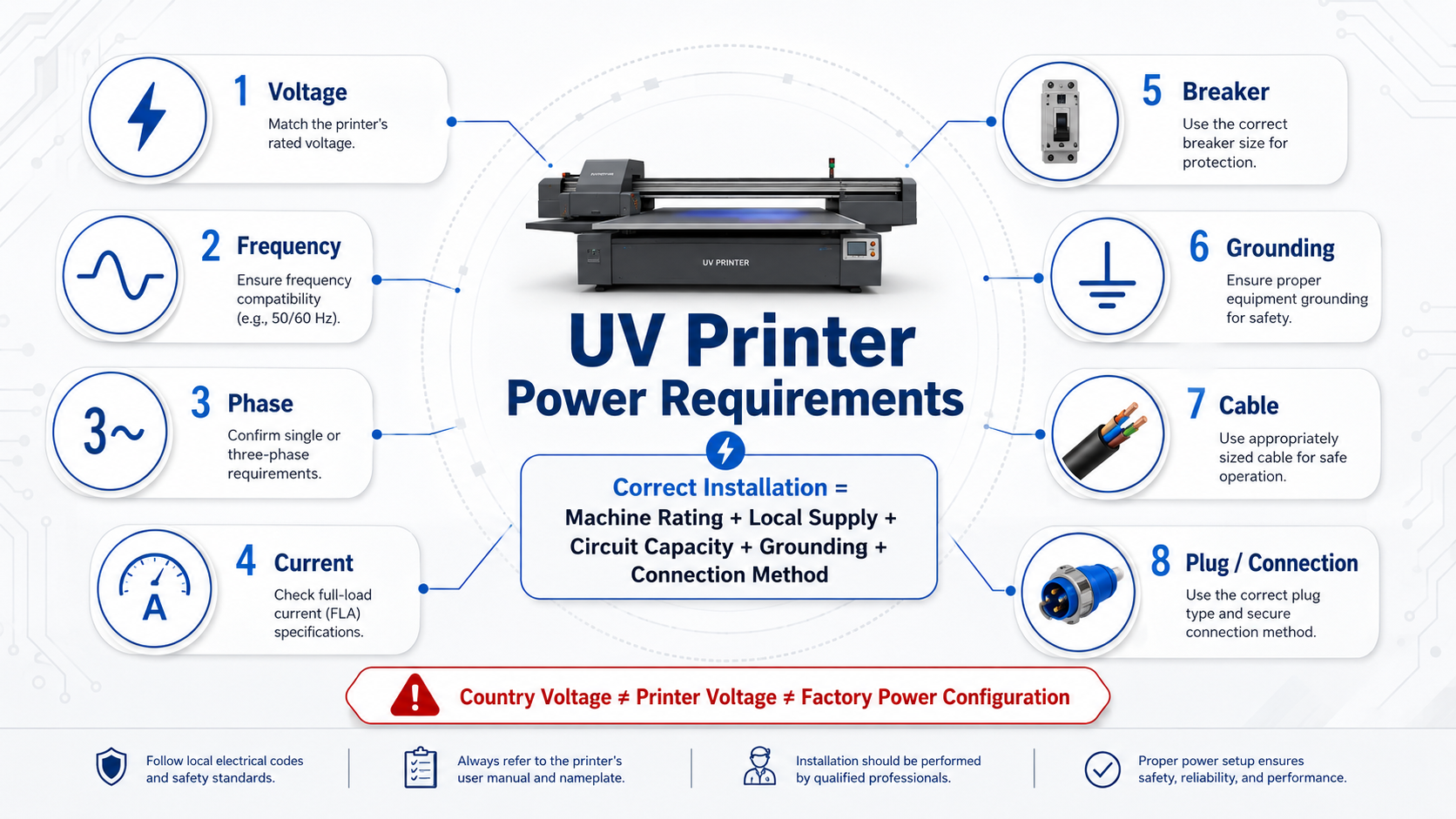
Why UV Printer Power Requirements Should Be Confirmed Before Shipping
Electrical configuration should be confirmed before the printer leaves the factory, especially for 2513 flatbeds, conveyor UV printers, and other industrial systems with multiple high-power subsystems.
Wrong Voltage
A plug adapter does not change voltage. If a machine is designed only for one input range and it is connected to an incompatible supply, components can be damaged. Power supplies, drives, pumps, contactors, heaters, and other devices may have different voltage tolerances. Always follow the machine nameplate and the supplier’s electrical drawing rather than assuming that a physically compatible plug means the supply is suitable.
Wrong Phase
“220V” does not automatically mean single-phase. Industrial facilities may provide several supply arrangements, so the supplier must confirm the intended phase and voltage configuration before manufacturing or dispatch.
Insufficient Current
Correct voltage does not guarantee sufficient circuit capacity. A printer may start normally but trip the breaker when UV lamps, heaters, vacuum pumps, and motion systems operate together. The available circuit must support the machine’s rated and maximum operating current with an appropriate safety margin according to local electrical rules.
Poor Grounding
Industrial UV printers contain sensitive electronic boards, printhead control systems, high-speed data lines, motors, and static-prone materials. Proper protective grounding is therefore both a safety requirement and an important part of stable installation. Grounding should be checked by a qualified local electrician.
Understanding UV Printer Electrical Specifications
Voltage
Common voltage descriptions include 110V, 120V, 220V, 230V, 240V, 380V, 400V, and 415V. In online searches, buyers often use “110V UV printer” or “220V UV printer” as broad terms. In practice, the actual nominal system may be 120V/240V in North America or 230V/400V in many other markets.
The important number is not the keyword used in a product listing. It is the printer’s rated input voltage or allowable input range. Before ordering, request the electrical specification sheet for the exact machine configuration you are buying.
Frequency: 50Hz vs 60Hz
Mains frequency is another part of UV printer electrical requirements. The United States and Canada commonly use 60Hz, while Germany, France, the United Kingdom, Australia, the UAE, and many other markets use 50Hz.
Many modern switching power supplies accept both 50Hz and 60Hz, but this does not mean every component in an industrial printer is automatically frequency-independent. Motors, pumps, fans, transformers, and other devices should be checked individually. If the machine label states 50/60Hz, it is designed for both within the stated voltage range. If it does not, ask the manufacturer before connecting it.
Single-Phase Power
Single-phase power is common for desktop printers and many medium-size machines. It is often easier to install in small workshops because the required supply is already available. However, the maximum current still matters. A high-power machine on single-phase supply can require a much larger current than a small desktop printer.
Three-Phase Power
Three-phase power is widely used in industrial facilities for higher loads. Some large UV printers may require it, depending on total load and electrical design. Do not assume that every 2513 printer requires three-phase power—or that every large printer can use a standard single-phase socket.
Current and Power
For a simple single-phase load, power is approximately related to voltage and current. Real industrial installations also involve power factor, efficiency, starting current, multiple loads, and—in three-phase systems—a different calculation method. For installation purposes, use the manufacturer’s rated current and maximum input data rather than estimating breaker size from printer dimensions alone.
110/120V vs 220/240V UV Printers
One of the most common questions is: what voltage does a UV printer need? There is no single answer because UV printer power supply requirements change with machine size and configuration.
Small Desktop UV Printers
A3 and 3045-class desktop UV printers generally have lower total power requirements than industrial flatbeds. Depending on the model, they may be configured for common single-phase supplies and may use a regional power cord or plug. Even with a small printer, buyers should confirm the voltage and frequency printed on the rating label.
Medium UV Flatbed Printers
Models such as 6090, 9060, 1390, and 1610 can have higher loads from curing, vacuum, heaters, pumps, and motion systems. Check the exact model instead of copying another printer’s voltage or breaker requirement.
Large Industrial UV Flatbed Printers
Conveyor UV Printers
UN conveyor UV printer may combine feeding, vacuum, motors, curing, heaters, and anti-static equipment. Printing width alone does not determine power demand; total connected load is more important.
UV Printer Power Requirements by Country
The table below is a practical purchasing reference, not a substitute for a site inspection. National mains information describes what is commonly available; an industrial building may have additional voltages and three-phase services. Always verify the actual electrical panel at the installation location.
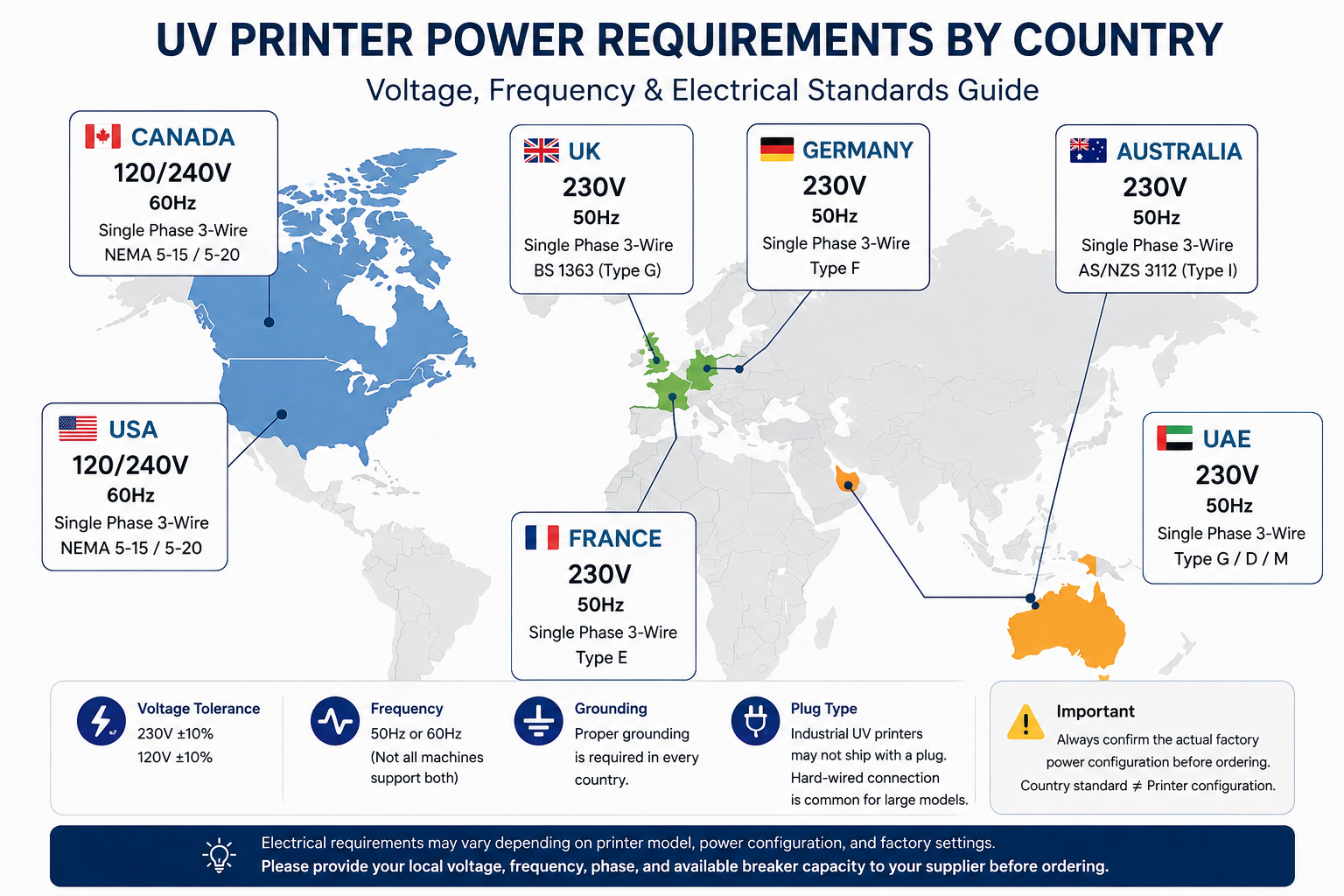
| Market | Common Supply Reference | Fréquence | Common Plug Type | Industrial Installation Note | What the Buyer Should Confirm |
|---|---|---|---|---|---|
| USA | 120V; 240V circuits are also widely available | 60Hz | A / B for common household use | Commercial sites may also have 208V or 480V three-phase systems | Exact voltage, phase, amperage, breaker, grounding, connection point |
| Canada | 120V / 240V commonly encountered | 60Hz | A / B | Commercial and industrial services may provide other three-phase voltages | Site supply, phase, available current, breaker and cable |
| Germany | 230V single-phase; 400V three-phase commonly available | 50Hz | C / F | Industrial equipment may use dedicated or three-phase connections | Machine input rating and actual factory distribution |
| France | 230V single-phase; 400V three-phase commonly available | 50Hz | C / E | Large machines should be matched to the site’s industrial supply | Phase, breaker, grounding and connection method |
| United Kingdom | 230V single-phase; 400V three-phase commonly available | 50Hz | G for common household use | A high-power industrial machine may not use a standard 13A household plug | Rated current, circuit type, industrial connector or hard-wired requirement |
| Australia | 230V single-phase; 400V three-phase nominal system | 50Hz | I | “240V” is still seen in market language, but installation must follow the actual local supply | Measured supply, phase, breaker and compliant connection method |
| UAE | 230V single-phase; 400V three-phase commonly referenced | 50Hz | D / G | Commercial workshops may have three-phase distribution | Actual panel voltage, phase, current capacity and grounding |
Important: this table should never be used to choose a printer only by country name. Ask the buyer to provide a photo of the electrical panel or socket and, for industrial machines, have a local electrician confirm the available supply.
Does Plug Type Matter for an Industrial UV Printer?
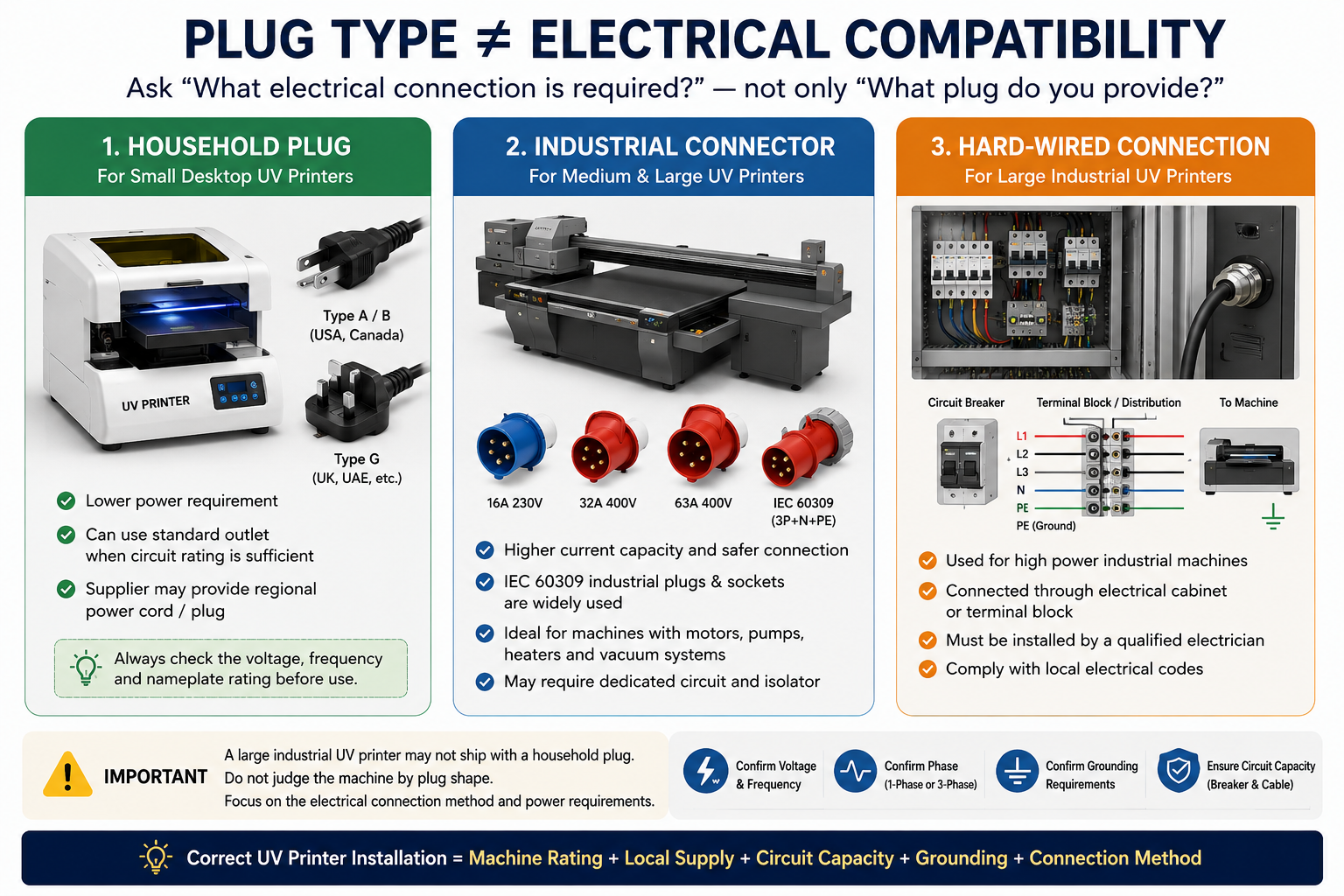
Yes, but plug type is usually a secondary question. For a small desktop machine, the supplier may provide a regional power cord or a compatible plug. For a large industrial UV printer, the correct question is often not “Which plug comes with the machine?” but “What electrical connection does the machine require?”
Desktop Printers
Low-power printers may use a normal outlet when the circuit rating is sufficient and the equipment is approved for the local supply. In this case, plug compatibility is convenient and easy to understand.
Industrial Printers
Industrial equipment may require a higher-current connector, dedicated isolator, terminal connection, or connection through an electrical cabinet. IEC 60309-type industrial plugs and socket-outlets are designed for industrial applications and are different from ordinary household plug systems.
Hard-Wired Installation
Some machines are installed through a fixed connection rather than a removable household plug. This approach may be appropriate when current is high, when a local disconnect is required, or when the machine is integrated into a factory distribution panel. The final method should comply with local electrical codes and be completed by a qualified electrician.
Why Large Machines May Not Ship With a Household Plug
A household plug has a limited current rating. For example, the standard UK BS 1363 plug system is associated with 13A plugs and socket-outlets, while industrial plug standards such as IEC 60309 cover higher-duty industrial applications. Therefore, a large UV printer should not be judged by whether a household plug is attached to the cable.
Better question: “What electrical connection does this UV printer require at my installation site?”
Single-Phase vs Three-Phase UV Printer
What Is Single-Phase Power?
Single-phase power is widely available in homes, offices, and small workshops. It is suitable for many desktop and medium UV printers when the total current is within the capacity of the circuit. For buyers, the main points are the nominal voltage, frequency, breaker capacity, and protective earth.
What Is Three-Phase Power?
Three-phase power is common in factories because it supports larger loads efficiently. It is often used for production equipment, compressors, HVAC systems, pumps, motors, and other industrial machinery. A three-phase building supply may provide more than one usable voltage depending on how the distribution system is configured.
When Does a Large UV Printer Need Three-Phase Power?
There is no universal print-size rule. A large UV printer may need three-phase power when its total load, curing system, vacuum system, heaters, motors, or internal electrical design require it. Another machine of similar print size may be designed for single-phase input. The correct answer must come from the specific machine’s electrical schematic and nameplate.
UV Printer Grounding Requirements
Why Grounding Matters
Protective grounding provides a controlled path for fault current and is fundamental to electrical safety. Industrial printers should be connected to a protective earth system that complies with local installation rules.For more installation and maintenance recommendations, read our UV printer installation and maintenance guide.
Static Electricity
Acrylic, PVC, film, and flexible materials can accumulate static charge. Static may attract dust, affect media handling, or contribute to interference, so grounding and anti-static measures matter.
Electronic Boards and Printheads
Modern UV printers contain sensitive control electronics. Poor installation, unstable power, and improper grounding may increase risk, making correct grounding an essential part of professional installation.
Common Grounding Mistakes
- Assuming neutral and protective earth are interchangeable.
- Using an improvised grounding point without testing it.
- Assuming a three-prong socket automatically guarantees proper grounding.
- Sharing unsuitable circuits with other high-power equipment.
- Failing to have the installation checked before commissioning.
Breaker, Cable, Voltage Stabilizer and UPS
What Breaker Size Does a UV Printer Need?
There is no universal breaker size for all UV printers. The correct breaker depends on the machine’s rated current, maximum load, starting characteristics, wiring method, local electrical code, and manufacturer instructions. Avoid choosing a 16A, 20A, 32A, 40A, or other breaker simply because another printer of similar size uses one.
Power Cable Size
Cable selection depends on current, conductor material, cable length, installation method, ambient temperature, voltage drop, and local standards. A longer cable run may require a different conductor size from a short run. For large printers, ask the supplier for maximum current and connection requirements, then let a qualified electrician select the final cable.
Does a UV Printer Need a Voltage Stabilizer?
Not every UV printer needs a voltage stabilizer. If the local grid is stable and remains within the machine’s acceptable input range, an additional stabilizer may not be necessary. If the site experiences frequent undervoltage, overvoltage, or significant fluctuations, the supplier or electrician may recommend an appropriately sized stabilizer or power-conditioning solution.
The stabilizer must be sized for the real machine load. An undersized stabilizer can become a new failure point rather than a solution.
Does a UV Printer Need a UPS?
A UPS can be useful for the control computer, RIP workstation, controller, or other low-power electronics when short power interruptions are common. Providing UPS backup for an entire high-power industrial UV printer is a different project and can be expensive. The required UPS capacity depends on which loads need backup and for how long.
What Information Should You Send the Supplier Before Ordering?
Instead of writing only “I need a 220V printer,” send a complete installation-site profile. This allows the manufacturer to confirm the UV printer power requirements before the machine is built.
| Information | Exemple |
|---|---|
| Installation country | United States |
| Measured or confirmed local voltage | 120/240V |
| Fréquence | 60Hz |
| Available phase | Single-phase / Three-phase |
| Available breaker capacity | ___ A |
| Electrical panel or socket photo | Attach clear photo |
| Distance from panel to printer | ___ m |
| Other equipment on the same circuit | Yes / No |
| Grounding confirmed by electrician | Yes / No |
For large industrial machines, it is also useful to send photos of the distribution board, breaker labels, existing industrial sockets, and the proposed installation area. The supplier can then issue or confirm a final electrical configuration sheet.
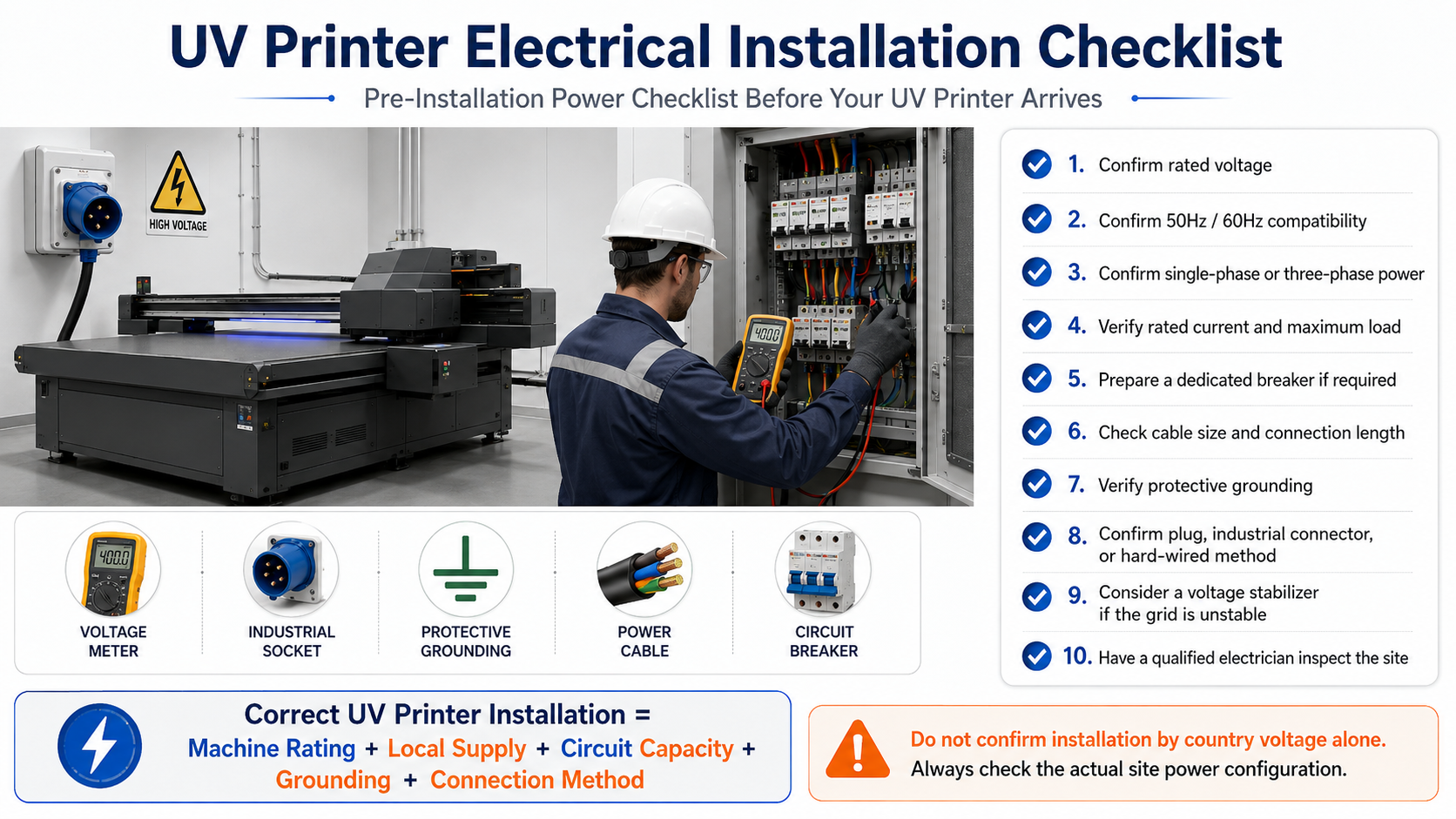
Pre-Installation Electrical Checklist
Before your UV printer arrives, complete the following checklist:
- Confirm the printer nameplate voltage and allowable input range.
- Confirm whether the machine supports 50Hz, 60Hz, or both.
- Confirm single-phase or three-phase requirements.
- Verify rated current and maximum electrical load.
- Prepare a dedicated breaker if required.
- Confirm that the supply cable is correctly sized.
- Verify protective grounding.
- Confirm whether the machine uses a plug, industrial connector, isolator, terminal block, or hard-wired connection.
- Discuss voltage stabilization if the local grid is unstable.
- Have a qualified local electrician inspect the installation point before commissioning.
Correct UV Printer Installation = Machine Rating + Local Supply + Circuit Capacity + Grounding + Connection Method
Frequently Asked Questions About UV Printer Power Requirements
Can a 220V UV printer work in the USA?
Yes, potentially. The United States is not limited to 120V outlets. Many sites can provide 240V circuits, and commercial facilities may have other distribution voltages. However, the printer must be specifically rated or configured for the available supply. Do not connect a machine based only on the words “220V” or on plug shape. Confirm the exact voltage, frequency, phase, breaker capacity, and wiring method first.
Is 220V the same as 230V or 240V?
Not exactly. These numbers are often used loosely in sales conversations, but electrical equipment should be matched to its stated input range. A machine labeled for a sufficiently wide 220–240V input range may be suitable across several nominal systems, while a device with a narrower rating may not be. Follow the nameplate and manufacturer documentation.
Can a 50Hz UV printer work on 60Hz power?
It depends on the design. Many switching power supplies support 50/60Hz, but motors, pumps, transformers, fans, and other components may have their own frequency requirements. If every relevant component and the final machine rating support 50/60Hz, operation may be acceptable. Otherwise, the manufacturer should configure the correct parts before shipment.
Does a UV printer need three-phase power?
Not necessarily. Many small and medium UV printers use single-phase power. Some large industrial machines use three-phase power because of higher total load or specific electrical architecture. Always check the exact model rather than deciding by print width alone.
What breaker size does a UV printer need?
The breaker must be selected from the machine’s rated current, maximum load, starting characteristics, local code, and wiring design. The supplier should provide the electrical data, and the local electrician should select and install the final protective device.
Does a UV printer need a dedicated circuit?
For many industrial printers, a dedicated circuit is strongly preferred and may be required by the manufacturer’s installation instructions or local code. A dedicated circuit reduces the chance that other high-power equipment will overload the same branch circuit or introduce avoidable electrical disturbances.
Does a UV printer need a voltage stabilizer?
Only when the site conditions justify it. A stable supply within the printer’s acceptable input range may not need additional stabilization. Sites with frequent voltage fluctuation should be evaluated so the stabilizer can be correctly sized for the machine load.
Does the UV printer supplier provide the plug?
For a small machine, the supplier may provide a suitable regional cord or plug. For an industrial UV printer, the machine may instead require a dedicated industrial connector or fixed electrical connection. Confirm the final connection method before shipment so the electrician can prepare the site correctly.
Final Recommendation: Confirm the Site, Not Just the Country
The safest way to order an overseas UV printer is not to tell the supplier only, “My country uses 220V.” Send the actual installation information: country, voltage, frequency, phase, available current, breaker capacity, grounding condition, and photos of the electrical panel or connection point.
A professional supplier should compare this information with the machine’s electrical design before production and shipment. This is especially important for large UV flatbed printers and conveyor systems. When the UV printer power requirements are confirmed in advance, installation becomes faster, safer, and less likely to require unexpected electrical modifications after the machine arrives.
Before ordering your UV printer, send us your site power information and installation photos so the correct electrical configuration can be confirmed for your market.